
Planting
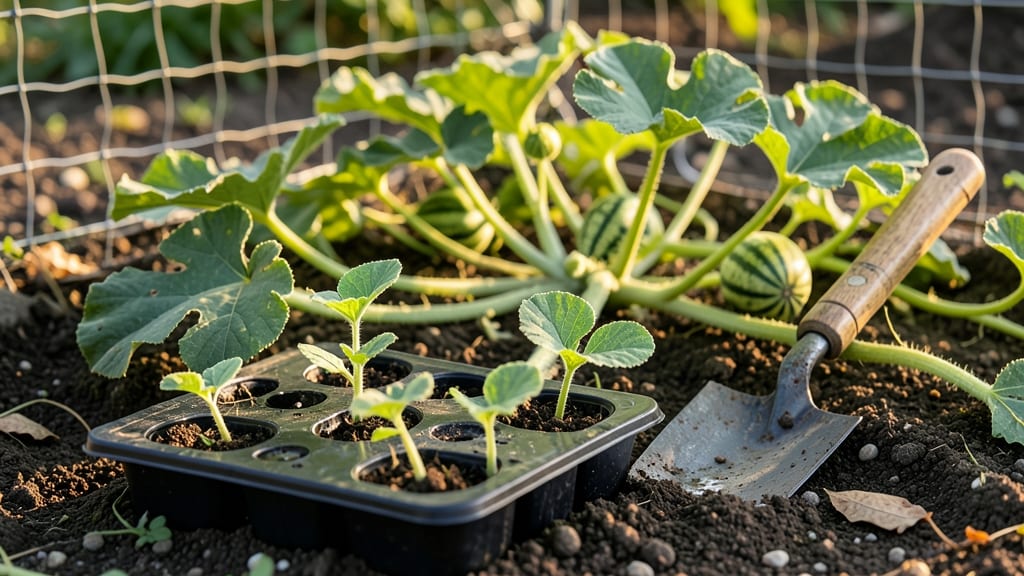
Timing your watermelon planting season correctly in your USDA zone unlocks the secret to sweet, vine-ripened fruit—no matter where you grow.
Miss the mark, and you might end up with stunted vines or fruit that never sweetens, even with the best care. That’s why knowing your local frost dates and soil warmth is the key to success.
From the deep South to the cool North, the ideal window shifts—typically between May and June—but early varieties in Zone 3 or late-season heat lovers in Zone 11 need extra attention.
Here’s how to pinpoint your exact planting window, adjust for cold snaps, and give your 🍉 watermelon vines the head start they crave.


Watermelon planting season by USDA Zone: exact months for success
Getting your watermelon planting season right depends on more than just tossing seeds into warm soil—it’s about matching your USDA zone with the perfect timing for germination, vine growth, and fruit development.
In cooler zones like Zone 3-5, you’ll need to start indoors or with transplants, while gardeners in Zone 9-11 can direct-sow almost year-round. The key? Soil temperatures above 70°F (21°C) and frost-free conditions for at least 90 days of growth.
I’ve planted watermelons in Zone 6a for years, and the difference between a 60-day harvest and a failed crop often comes down to planting just 1-2 weeks too early. Cold soil stalls germination, and late frosts can kill young vines before they establish.
That’s why I’ve broken down the exact months for each zone below—plus pro tips for extending your season in marginal climates.
🌱 PRO TIP: Use a soil thermometer to confirm readiness—watermelon seeds won’t sprout below 65°F (18°C), but vines thrive at 85°F+ (29°C+).
| USDA Zone | Optimal Planting Window | Soil Temp Requirement | Variety Recommendation | Key Challenge |
|---|---|---|---|---|
| 3-4 | Mid-May to early June (transplants only) | 70°F+ (21°C+) | Early varieties: 'Sugar Baby', 'Black Diamond' | Short season; frost risk |
| 5-6 | Late May to mid-June (direct sow or transplants) | 70°F+ (21°C+) | Mid-season: 'Crimson Sweet', 'Charleston Gray' | Inconsistent soil warmth |
| 7-8 | Early April to late June (direct sow after frost) | 65°F+ (18°C+ for germination) | Standard: 'Jubilee', 'Ambrosia' | Late frosts in Zone 7 |
| 9-10 | February to early May (or September for fall crops) | 60°F+ (15°C+ for germination) | Heat-tolerant: 'Crimson Sweet', 'Sugar Baby' | Overheating; irrigation needs |
| 11 | Year-round (avoid extreme heat) | 60°F+ (15°C+) | Tropical: 'Moon and Star', 'Orangeglo' | Pests (aphids, cucumber beetles) |
In Zone 3-4, where frost lingers until mid-May, I’ve had the most success with transplants purchased from nurseries—these 4-6 week-old seedlings give vines a 2-week head start before direct-sown seeds even sprout.
For Zone 5-6, I recommend succession planting: sow a small batch every 2 weeks in May to stagger harvests and reduce risk from late frosts.
Gardeners in Zone 7-8 have the most flexibility, with April sowings possible in southern areas and June plantings for fall harvests.
I once grew 'Jubilee' watermelons in Zone 7b by planting in late April under row covers—the vines outgrew the protection by early June, but the early start gave me fruit by mid-August instead of September.
For Zone 9-11, the real challenge isn’t cold—it’s heat stress. Watermelons bolt (flower prematurely) when daytime temps exceed 95°F (35°C) for weeks. To avoid this, I plant shade cloth over young seedlings until they establish, then remove it gradually.
In Zone 11, I’ve even grown fall crops by sowing in September for harvests before winter rains arrive.
⚠️ WARNING: Never plant watermelons in cool, wet soil—this invites fungal diseases like powdery mildew and root rot. Always wait until soil is warm and dry to the touch.
If you’re in a transitional zone (like Zone 7a where frosts can hit in April but soil warms by May), use black plastic mulch to raise soil temps by 5-10°F. I’ve seen soil thermometers spike from 60°F to 80°F+ within days when covered this way—perfect for jumpstarting germination.
For container growing, adjust
Key factors that determine your watermelon planting schedule
Watermelons are heat-loving plants that won’t tolerate cold soil or chilly nights. Unlike cooler-season crops, they demand precise timing—plant too early, and you risk rot or stunted growth.
Too late, and your vines may struggle to mature before frost. The key is balancing soil temperature, air temperature, and daylength for optimal germination and fruit development.
Most gardeners focus on USDA zones, but even within the same zone, your exact planting window depends on microclimates, last frost dates, and soil warmth. For example, a Zone 7 garden in Arizona might plant in March, while one in Ohio waits until mid-May.
The difference? Soil temperature and frost risk. Let’s break down the critical factors that determine your perfect planting schedule.
⚠️ Don’t Plant Until Soil Hits 85°F+
Watermelon seeds won’t germinate below 85°F (29°C). Even if air temps feel warm, cold soil will leave you waiting weeks—or give up entirely. Use a soil thermometer to confirm readiness. In cooler zones, opt for black plastic mulch 2–3 weeks before planting to warm the soil faster.
Pro Tip: If your soil isn’t warm enough, start seeds indoors in biodegradable pots and transplant after the last frost when soil reaches 70°F (21°C).
Another often-overlooked factor is daylength sensitivity. Watermelons thrive in longer daylight hours (14+ hours), which is why northern gardeners should prioritize early-maturing varieties like ‘Sugar Baby’ or ‘Black Diamond.’
If you’re in a short-season zone, choose 45–60-day varieties over standard 80–90-day types. Daylength also affects flowering—too little light can lead to male flowers only, reducing pollination.
Soil preparation is just as critical as timing. Watermelons need well-draining, fertile soil with a pH between 6.0 and 7.0. Start prepping 4–6 weeks before planting by amending with compost or aged manure. Avoid fresh manure, which can burn roots and attract pests.
In heavy clay soils, mix in sand or perlite to improve drainage. Pro tip: Work in a slow-release fertilizer (like 10-10-10) at planting to support early vine growth.
Finally, account for your local frost dates and harvest window. Watermelons need 75–90 days to mature, so plant early enough to finish before the first frost. Use your average first frost date and subtract the variety’s days to maturity.
For example, a Zone 5 gardener with a September 15 frost date and an 80-day variety should plant by June 25 to ensure a harvest before cold snaps.
By aligning soil warmth, daylength, and frost-free days, you’ll give your watermelons the best shot at success—whether you’re in sweltering Zone 10 or cool Zone 4.
Start with a soil thermometer, pick the right variety, and prep your soil early for a harvest you’ll be proud of. 🌱