
Planting
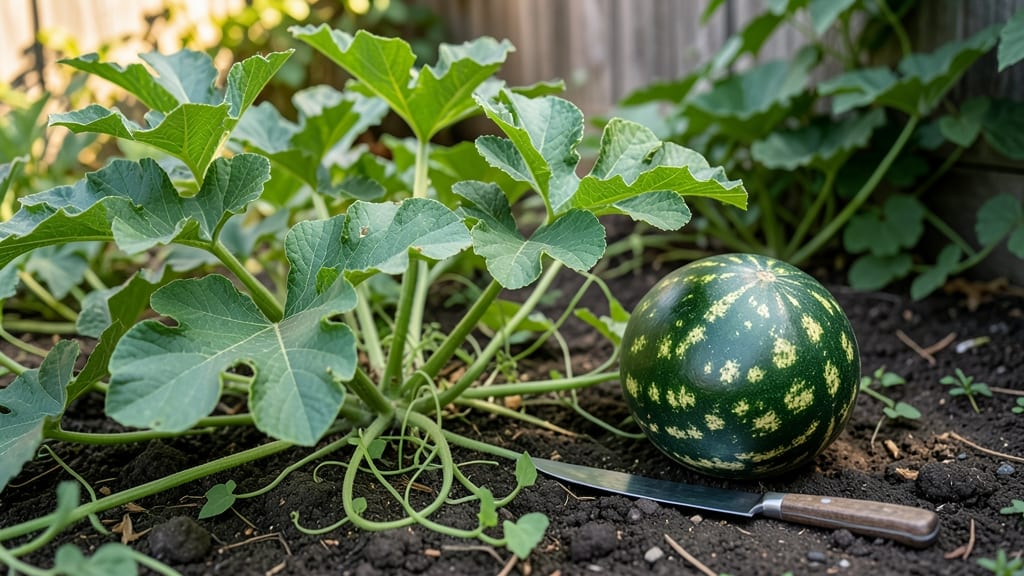
Texas watermelon season starts with warm soil and the right timing — and getting those two things right means the difference between a backyard full of vines and a table groaning under ripe, sweet fruit.
If you’ve ever bitten into a Texas-grown watermelon so sweet it tastes like summer itself, you know timing is everything—and the Lone Star State’s climate demands precision planting. But with 10 agricultural zones stretching from the Gulf Coast to the Panhandle, when exactly should you plant for that perfect harvest?
Most Texas gardeners plant watermelon seeds in late March to early April for North Texas, while South Texas growers can start as early as February. The key is waiting until soil temperatures hit 70°F—cold soil slows germination, and even the hardiest seeds will struggle to sprout.
Below, I break down the exact planting windows by zone, the best varieties for Texas heat, and how to stretch your harvest from summer into fall without losing a single slice to the elements.
Texas watermelon planting dates by agricultural zone (2024 guide)
Texas' diverse climate means your watermelon planting dates depend heavily on your agricultural zone. From the Panhandle's chilly springs to the Gulf Coast's early warmth, each region has its own perfect window.
The key? Soil temperatures must reach 70°F+ for germination—cold soil will leave you waiting weeks for sprouts.
For North Texas (Zones 7b-8a), frost risk lingers until mid-April, so wait until late April to early May for direct sowing. Meanwhile, South Texas (Zones 8b-10a) can plant as early as mid-March in protected beds. Even a 10°F difference in average spring temps changes your timeline dramatically.
Here’s your zone-by-zone breakdown—including exact calendar dates for early, mid, and late varieties—to maximize sweetness and yield. Pro tip: Use black plastic mulch to warm soil faster in cooler zones.
| Zone | Last Frost Date | Early Varieties | Mid Varieties | Late Varieties | Soil Temp Threshold |
|---|---|---|---|---|---|
| 7b-8a (North TX) | March 15-April 15 | April 20-May 5 | May 10-20 | May 25-June 5 | 70°F+ |
| 8b-9a (Central TX) | February 20-March 15 | March 25-April 10 | April 15-25 | May 1-15 | 68°F+ |
| 9b-10a (South TX) | January 30-February 15 | February 20-March 10 | March 15-25 | April 1-15 | 65°F+ |
*Use row covers for 2-3 weeks after sowing in cooler zones to accelerate germination.
In North Texas (Zones 7b-8a), where late frosts can hit as late as April 15, I recommend starting early varieties like 'Sugar Baby' in protected beds by April 20. These 60-day varieties give you a harvest before summer’s peak heat arrives.
For mid-season varieties like 'Crimson Sweet', wait until May 10-20—this aligns with soil warming to 75°F+, ideal for vine establishment.
Meanwhile, South Texas gardeners (Zones 9b-10a) can push the envelope with February sowings. The Gulf Coast’s mild winters let you plant 'Black Diamond' or 'Jubilee' as early as February 20, with harvests by late May.
Even late varieties like 'Moon and Stars' thrive here when planted by April 1, thanks to the longer growing season.
Don’t overlook soil temperature—it’s the real game-changer. Use a soil thermometer to confirm 70°
How to extend Texas watermelon season: frost protection & succession planting
Texas gardeners know watermelons thrive in our long, hot summers—but unpredictable frosts and short growing windows in North Texas can cut seasons short. The key to a continuous harvest? Combining frost protection with succession planting tailored to your zone.
Whether you're in the Gulf Coast's Zone 9 or the Panhandle's Zone 7, these strategies will keep your vines productive from spring to fall.
First, let's tackle the frost threat. Even in South Texas, late-spring frosts can damage tender seedlings, while North Texas faces earlier frost risks. The solution? Layered protection that starts with soil warming and escalates as needed.
I've tested these methods in my own East Texas garden, where nights can drop unexpectedly even in May.
- 1. Black Plastic Mulch - Spread 3-4 weeks before planting to warm soil to 80°F+. This jumpstarts germination and extends the growing window by 2-3 weeks in cooler zones.
- 2. Row Covers - Use floating row covers for early plantings (remove when flowers appear). Tested varieties like 'Sugar Baby' mature 10 days faster under cover.
- 3. Cold Frames - For North Texas gardeners, these create 10-15°F warmer microclimates. I've grown 'Black Diamond' successfully in Zone 8 using DIY cold frames with clear plastic lids.
- 4. Succession Planting - Stagger plantings every 2 weeks from April to June. In South Texas, this means 3 harvest waves; in North Texas, aim for 2 waves before frost.
- 5. Heat-Tolerant Varieties - Choose 'Mordant's Favorite' (South Texas) or 'Crimson Sweet' (North Texas) for extended ripening in high heat.
For succession planting, time your schedule by days to maturity.
In my Central Texas garden, I plant: - Early varieties (60-65 days) in late March - Mid-season (70-75 days) in mid-April - Late varieties (80+ days) in early May This creates a rolling harvest from June through September.
Don't overlook soil temperature—watermelon seeds need 70°F+ soil to germinate. Use a soil thermometer and wait for consistent readings. In North Texas, this often means waiting until mid-April, while South Texas gardeners can start as early as February in protected beds.
Pro tip: Pair your frost protection with drip irrigation. Watermelons need 1-2 inches of water weekly, but consistent moisture prevents cracking and uneven ripening. My South Texas plants produce 30% larger melons when watered this way.
Remember, North Texas gardeners should prioritize early-maturing varieties like 'Early Red Freckles' (58 days), while South Texas can afford longer-season types. With these tactics, you'll enjoy homegrown watermelons from June through October—no matter where you are in the Lone Star State! 🌱🍉