
Planting
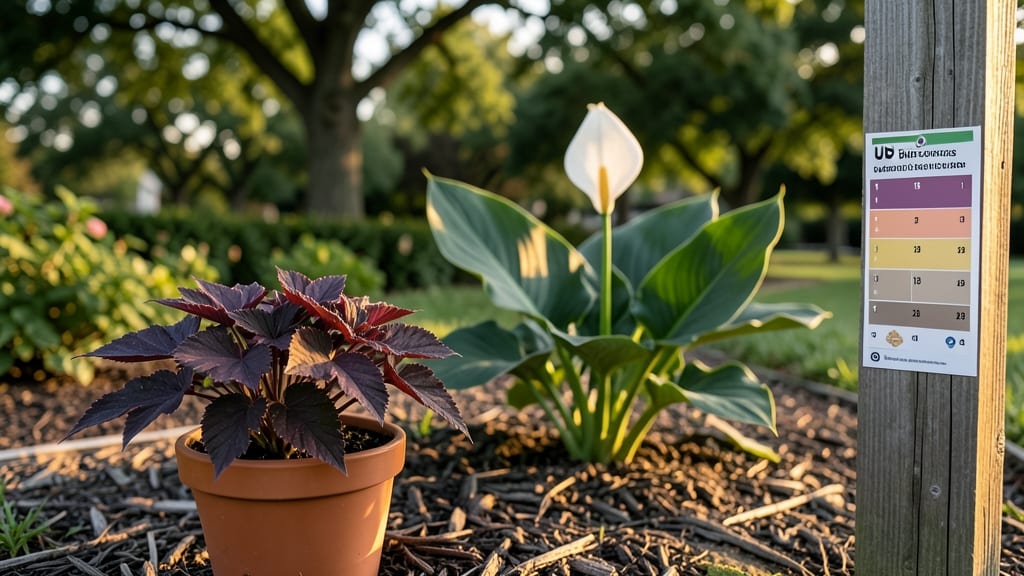
Understanding plant zones means knowing your region's coldest average winter temperature—this critical data helps you avoid planting tender species that will freeze. 🌱 For example, a Zone 5 garden (like much of the Midwest) can handle plants rated for -20°F to -10°F, while Zone 10 (Southern California) supports tropical plants that die in frost.
The USDA updates these zones every 10 years to reflect climate change impacts, so checking your zone is the first step to gardening success.
This system isn't just about freezing—it also guides summer heat tolerance. Some plants thrive in hot, dry climates (Zone 9+) while others need cooler summers.
Microclimates (like urban heat islands or sheltered valleys) can shift your effective zone by 1-2 numbers, so observing your garden's specific conditions matters just as much as the official map.
💡 In This Article
- How Plant Hardiness Zones Are Calculated
- Using Plant Zones to Choose the Right Plants
How plant hardiness zones are calculated
The USDA plant hardiness zone system divides North America into 13 main zones, each representing a 10°F temperature range for average annual minimum winter temperatures. For example, Zone 5 spans -20°F to -10°F, while Zone 10 covers 30°F to 40°F.
These ranges are based on 30 years of climate data, collected from weather stations across the country. 🌡️ The system uses a color-coded map where each zone is further divided into "a" and "b" subzones (e.g., 5a = -30°F to -20°F, 5b = -20°F to -10°F).
Data collection involves analyzing temperature records from thousands of weather stations, then using statistical models to smooth out variations. The USDA updates the zones every 10 years to account for climate change—since 1990, many regions have shifted one full zone warmer due to rising temperatures.
For instance, parts of New York that were Zone 5 in 1990 are now Zone 6. This shift means plants that once struggled now thrive, while traditional favorites may now face winter damage.
Microclimates complicate the picture. A single neighborhood can have zones that vary by 2-3 numbers due to factors like elevation, urban heat islands, or proximity to large bodies of water. A north-facing slope might be Zone 4 while a south-facing hillside just 100 feet away could be Zone 6.
Gardeners must observe their specific conditions—like how long frost lingers in low areas or how walls trap heat in sunny spots. This local knowledge often overrides the official zone designation.
Globally, other systems exist. The UK uses the RHS Hardiness Rating, which focuses on minimum winter temperatures in Celsius (e.g., H7 = -15°C to -10°C) and includes notes about frost tolerance.
Australia's system (ANZCG) categorizes by mean annual temperature ranges, while Canada uses a similar but more detailed system with 14 zones. These differences reflect how climate patterns vary across continents, making it essential to use local guidelines when gardening abroad.
Modern technology has refined zone calculations. Satellite data and advanced climate models now help predict microclimates with greater accuracy. For example, urban areas can be 2-5°F warmer than rural zones due to concrete and asphalt absorbing heat.
This "heat island" effect means city gardeners in Zone 6 might successfully grow plants rated for Zone 7. Understanding these nuances helps gardeners push boundaries while avoiding costly mistakes.
What most people don't realize is how summer heat tolerance also plays a role. While zones focus on winter cold, some plants (like citrus) need both winter protection AND summer cooling.
For example, a Zone 9 garden in Arizona might struggle with 110°F summers, while one in coastal California thrives. This is why plant tags often include both hardiness zone AND heat zone information.