
Planting
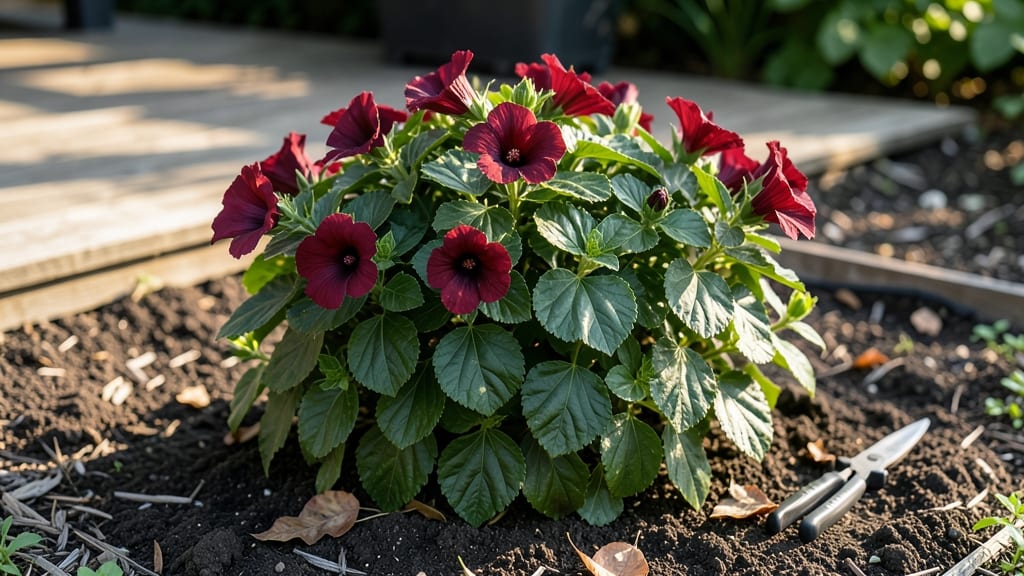
Houston's warm climate creates a unique growing environment where many plants that wouldn't survive northern winters can flourish. 🌞 The city's extended frost-free season—typically from mid-February to December—lets gardeners grow citrus trees, oleanders, and even some subtropical vegetables like okra.
However, the intense summer heat means plants need proper watering and shade during peak afternoon hours to prevent stress.
This zone classification also explains why Houston's urban areas often feel slightly warmer than rural spots due to the "heat island" effect—concrete and pavement absorb heat, raising temperatures by a few degrees.
For gardeners, this means selecting plants that can handle both humidity and occasional heat waves while still getting enough rainfall to avoid drought conditions.
💡 In This Article
- Houston’s USDA Zone Breakdown: Heat and Frost Limits
- Best Heat-Tolerant Plants for Houston Gardens
Houston’s USDA Zone breakdown: heat and frost limits
Houston’s classification as USDA Zones 8a to 9a is determined by the average annual minimum temperatures, where Zone 8a sees 10-15°F winters and Zone 9a experiences 20-25°F. This means the city’s mild winters rarely drop below 10°F, allowing tropical plants like citrus and bougainvillea to thrive year-round.
The key factor here is Houston’s subtropical climate, where cold snaps are infrequent and brief, unlike northern regions with prolonged freezes.
The frost-free period in Houston typically spans 280-300 days annually, creating an extended growing season that starts in early spring and continues through fall. This long window enables gardeners to cultivate subtropical vegetables like sweet potatoes and okra, which would perish in colder climates.
However, the 90°F+ summers demand careful plant selection—species like hibiscus and lantana not only tolerate heat but also thrive in Houston’s intense sunlight and humidity.
Urban microclimates further complicate this picture. Downtown Houston’s concrete jungle can trap heat, raising temperatures by 3-5°F compared to rural areas, creating a "heat island" effect. This means plants in city centers may need more water and shade than those in cooler suburban or wooded regions.
For example, a Mexican petunia might wilt in a downtown garden without afternoon shade but flourish in a shaded backyard just 10 miles away.
Frost risk is another critical consideration. While Zone 9a areas (like the city’s southern suburbs) rarely see frost, Zone 8a regions (north and west Houston) may experience light freezes 1-2 nights per decade.
This explains why some gardeners in these areas still protect tender plants like elephant ears with frost cloth during rare cold snaps. The USDA’s 10°F threshold for Zone 8a means even a 15°F night could damage sensitive tropical species.
Seasonal extremes matter too. Houston’s summer heat (often 95-100°F) stresses plants without adequate moisture, while winter lows (rarely below 10°F) create opportunities for year-round gardening. For instance, coffee plants (native to tropical climates) can grow in Houston’s Zone 9a areas but would struggle in Zone 8a’s occasional dips.
This explains why nurseries in different Houston neighborhoods stock slightly different plant varieties.
Understanding these nuances helps gardeners select the right plants for their specific location. For example, a southern exposure garden in Zone 9a might handle yucca plants year-round, while a northern exposure in Zone 8a might need to overwinter them in containers.
The city’s varied topography—from flat coastal plains to rolling hills—further influences microclimates, making local knowledge invaluable for successful gardening.