
Planting
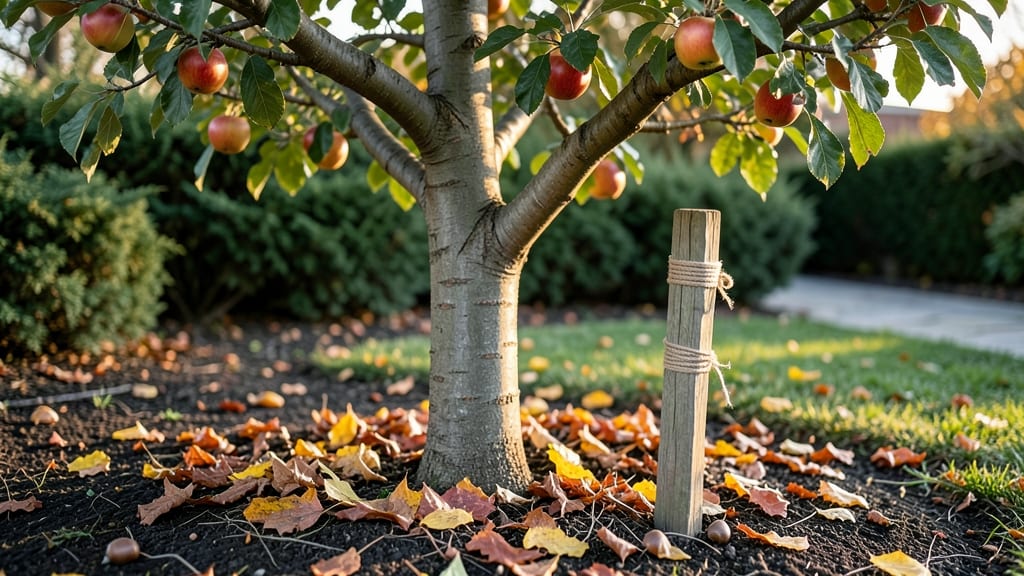
In Zone 6a, you can successfully grow a diverse range of resilient plants, from hardy perennials like hostas and coneflowers to cold-tolerant vegetables such as kale and broccoli, plus fruit-bearing trees like apple and maple that endure temperatures between -10°F and -5°F (-23°C to -21°C).
Zone 6a offers an ideal climate for gardeners who want both beauty and productivity. 🌱 The key to success lies in selecting plants that can handle the zone's 150-200 frost-free days and occasional dips below freezing.
Many perennials, like black-eyed Susans and daylilies, return year after year with minimal care, while vegetables such as Swiss chard and Brussels sprouts thrive in the cooler temperatures. The real advantage? You can extend your growing season by choosing varieties that tolerate early spring frosts or late fall chills.
For those who love fruit, Zone 6a is perfect for growing apples, pears, and even some berry bushes like raspberries. These plants not only survive the winter but also produce abundant harvests when given proper care.
The secret is in the soil—amending it with compost and choosing the right location can make all the difference between a struggling plant and a thriving one.
💡 In This Article
- Understanding Zone 6a Climate and Plant Hardiness
- Best Perennial and Vegetable Plants for Zone 6a Gardens
Understanding Zone 6a climate and plant hardiness
Zone 6a's climate is defined by its ability to handle -10°F to -5°F (-23°C to -21°C) winter temperatures, but what truly sets it apart is its 150-200 frost-free days each year.
This means gardeners can enjoy a longer growing season than colder zones, with spring typically arriving around mid-April and frost lingering until mid-October. The key to plant survival here lies in their cold hardiness ratings, which indicate how well they can withstand freezing temperatures without dying.
For example, a plant rated for Zone 5b might struggle in Zone 6a's occasional -10°F dips, while a Zone 7 plant would likely thrive.
The science behind plant hardiness involves cellular adaptations. Plants like apple trees and maples produce antifreeze proteins that prevent ice crystals from forming in their cells, allowing them to survive sub-zero temperatures.
Meanwhile, perennials like hostas and coneflowers go dormant in winter, storing energy in their roots to regrow when temperatures rise. 🌿 What most gardeners don't realize is that soil temperature matters just as much as air temperature—roots can freeze at 28°F (-2°C), which is why mulching (adding 3-4 inches of organic matter) is critical for insulation.
Zone 6a's climate also creates a unique balance for vegetables. Crops like kale and broccoli actually sweeten when exposed to light frosts, thanks to starch converting into sugars—a process called cold acclimation. This is why many gardeners plant these vegetables in early spring or fall for peak flavor.
The zone's moderate summers (75-85°F) also prevent heat stress in plants that might wilt in hotter zones, making it ideal for leafy greens and root vegetables.
However, not all plants thrive equally. Tropical species like citrus trees or banana plants will fail in Zone 6a's winters, while even some cold-hardy varieties need protection. For instance, tomatoes (Zone 5-10) can grow in Zone 6a but may need row covers during unexpected late frosts.
The USDA Plant Hardiness Zone Map serves as your best guide—always check a plant's minimum temperature tolerance before planting, and consider microclimates (like south-facing slopes or sheltered spots) that can add 2-5°F of extra warmth.
One often-overlooked factor is soil drainage. Zone 6a's clay-heavy soils in many regions can become waterlogged in winter, suffocating roots. Amending with compost or sand improves aeration, while raised beds provide better control over moisture levels.
This is why perennials like lavender (which hate wet feet) often struggle unless planted in well-draining soil. The right soil prep can mean the difference between a plant that barely survives and one that flourishes year after year.
For fruit trees, the chilling hours requirement is another critical factor. Apple trees, for example, need 800-1,200 hours below 45°F to produce fruit—a threshold Zone 6a easily meets. Without enough chilling, trees may bloom late and risk frost damage to flowers.
This is why peach trees (which need 500-700 hours) often struggle in colder parts of Zone 6a unless planted in microclimates with milder winters.