
Planting
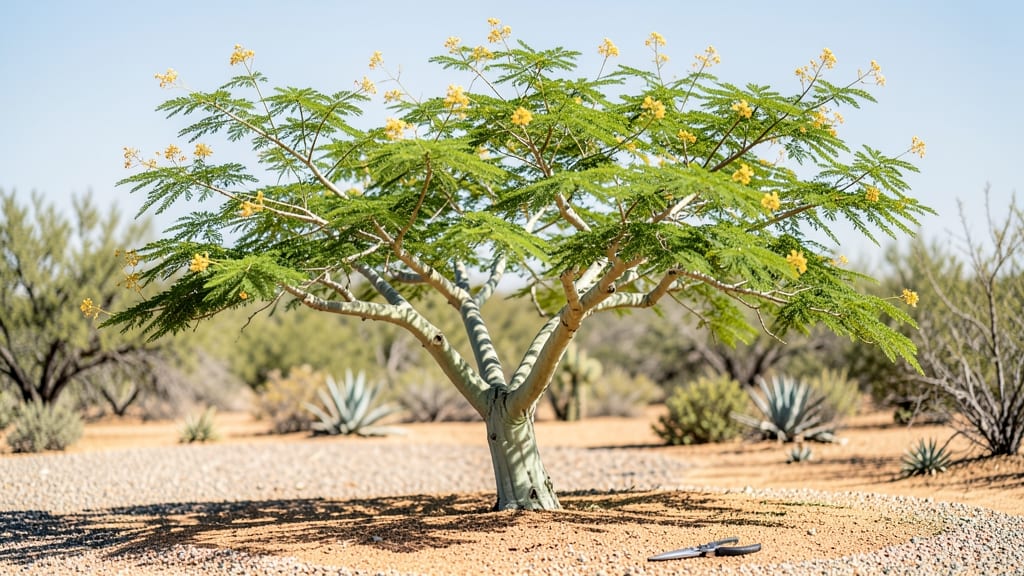
Phoenix, Arizona is in USDA Hardiness Zone 10b, where mild winters and intense summer heat create ideal conditions for drought-tolerant and tropical plants. The desert climate rarely dips below 30°F (-1°C), while microclimates can create localized variations.
Phoenix's USDA Zone 10b classification comes from its extreme temperature range—summers regularly hit 110°F+ (43°C+), while winters stay above freezing. 🌵 This means you can grow palms, citrus, and bougainvillea with minimal protection, but shade-loving plants may need adjustments in full-sun areas.
The city's elevation (1,100 ft) and urban sprawl create microclimates where zones can shift slightly, so always check your specific location's heat exposure.
For example, low-lying areas near the Salt River may experience Zone 10a conditions, while higher elevations or shaded courtyards might lean toward Zone 11a tolerance.
Native desert plants like palo verde and agave thrive here, but even tropical varieties adapt well with proper water management—just avoid planting frost-sensitive species without winter protection.
💡 In This Article
- Understanding Phoenix’s USDA Zone 10b Climate Factors
- Adapting Plants to Phoenix’s Microclimates
Understanding Phoenix’s USDA Zone 10b climate factors
Phoenix's Zone 10b classification comes from its unique desert climate where winter temperatures rarely drop below 30°F (-1°C), while summer highs frequently exceed 110°F (43°C).
The USDA system measures the average annual minimum temperature, and Phoenix's 1,100-foot elevation creates a heat island effect that traps warmth at night, preventing frost formation.
This makes it possible to grow tropical plants like citrus trees and bougainvillea year-round, while still allowing some Zone 11a plants to survive in microclimates with extra heat tolerance.
The city's extreme temperature swings are what truly define its hardiness limits. During summer, the intense sun and dry air can push ground temperatures to 130°F (54°C) in exposed areas, while winter nights often hover around 40-45°F (4-7°C).
This creates a paradox: plants must handle both scorching heat and relatively mild winters. The monsoon season (July-September) adds another layer, with sudden humidity spikes that can stress heat-loving plants if they're not acclimated. 🌵
Comparing Phoenix to nearby zones reveals how subtle shifts in geography create different growing conditions.
Areas just 20 miles north in the White Tank Mountains may experience Zone 10a due to higher elevations and cooler nights, while urban heat islands in downtown Phoenix can push conditions closer to Zone 11a.
The Salt River Valley often sees 5-10°F warmer nights than surrounding desert areas, creating localized growing zones that can be half a zone different from the official classification.
What makes Phoenix unique is how its urban heat island effect amplifies these differences. Pavement and buildings absorb heat during the day and radiate it at night, creating microclimates where temperatures can be 5-10°F warmer than in surrounding desert areas.
This means a plant that thrives in Zone 10b in a shaded courtyard might struggle in a full-sun urban garden just blocks away. The key factor is understanding how your specific location's heat exposure interacts with the official zone classification.
For gardeners, this means paying close attention to microclimate indicators like nearby structures, wind patterns, and soil types. A north-facing wall can create a Zone 10a pocket in an otherwise 10b area, while a south-facing slope might push conditions toward 11a.
Native desert plants like ocotillo and jojoba have evolved to handle these extremes, while tropical imports need careful placement to avoid heat stress during summer's peak intensity.
One surprising aspect is how Phoenix's dry heat actually benefits some plants compared to more humid Zone 10b areas. The lack of humidity reduces fungal diseases, while the intense sunlight promotes vigorous growth in drought-tolerant species.
However, this same dryness means irrigation must be carefully managed—overwatering can lead to root rot in heat-sensitive plants, while underwatering stresses even the hardiest desert natives. 💧