
Planting
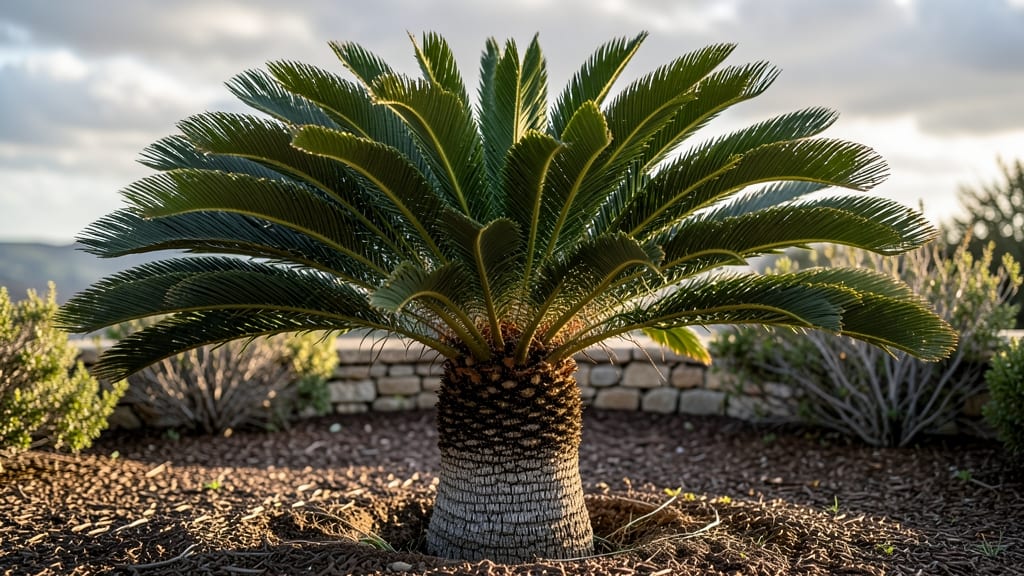
Tampa, Florida is in USDA Plant Hardiness Zone 10A, where winters stay above 30°F (-1°C) most years, enabling lush tropical gardens year-round. This zone thrives with citrus, palms, and subtropical plants while demanding careful selection for delicate varieties.
Tampa's warm winters and long growing season make it ideal for heat-loving plants. 🌴 The USDA Zone 10A classification means you can grow avocados, bougainvillea, and even some citrus varieties outdoors without frost protection.
However, even this mild climate has occasional cold snaps—just last winter saw temperatures dip near 25°F (-4°C)—so cold-sensitive plants like mangoes still need winter care. The humidity also plays a role, favoring plants that thrive in moist conditions while challenging those needing dry climates.
Understanding Tampa's microclimates matters too. Coastal areas near the bay stay warmer than inland spots, creating slight variations in what thrives where. For example, coontie palms flourish near the waterfront but may struggle in drier inland yards.
This zone's consistency lets gardeners enjoy tropical landscapes without the surprises of colder regions.
💡 In This Article
- How Tampa’s Climate Defines USDA Zone 10A
- Best Plants for Tampa’s Zone 10A Garden
How Tampa’s climate defines USDA Zone 10A
The USDA Plant Hardiness Zone classification for Tampa—Zone 10A—is primarily determined by its average annual minimum temperature, which hovers around 30°F to 35°F (-1°C to 1.7°C). This means frost events are rare, occurring roughly every 10-15 years on average.
The last significant freeze in Tampa occurred in 2018, when temperatures plunged to 25°F (-4°C) for a few hours, causing damage to sensitive tropicals like hibiscus and bougainvillea. 🌡️ The consistent warmth allows plants to grow year-round without the dormancy cycles seen in colder zones.
Tampa’s proximity to the Gulf of Mexico creates a moderating effect on temperatures, preventing extreme fluctuations. Coastal areas experience slightly milder winters due to the water’s heat retention, while inland regions may see slightly cooler nights—though still within the 10A range.
Humidity levels average 70-80% year-round, which benefits tropical plants but can challenge those from drier climates. For comparison, nearby Zone 9B (like Orlando) sees occasional 20°F (-7°C) dips, while Zone 11 (south of Miami) rarely drops below 40°F (4°C), making Tampa’s climate a sweet spot for subtropical gardening.
This zone’s defining feature is its frost-free growing season, which stretches nearly 12 months. Unlike northern zones where frost dates dictate planting windows, Tampa gardeners can sow warm-season crops like tomatoes or peppers at any time. However, the summer heat (90°F/32°C+) and humidity demand careful irrigation and shade management.
Native plants like sabal palms or coontie palms thrive here because they’ve evolved to handle both the heat and occasional cold snaps, while non-native tropicals may need winter protection or microclimate adjustments.
Microclimates within Tampa further refine what grows where. For example, yards near Tampa Bay experience 2-3°F warmer winters than those 10 miles inland due to the bay’s thermal mass.
This explains why citrus trees (like Meyer lemons) often survive near the waterfront but may need wrapping in inland areas during rare cold snaps.
Understanding these variations helps gardeners choose the right location for heat-sensitive plants like avocado trees, which can suffer leaf scorch if planted in full afternoon sun without adequate shade.
Another critical factor is Tampa’s rainfall pattern: an average of 50 inches annually, with summer downpours and occasional tropical storms. This moisture supports lush foliage but also requires well-draining soil to prevent root rot in tropical plants.
The combination of warmth, humidity, and consistent rainfall creates ideal conditions for epiphytes like orchids or bromeliads, which thrive in Tampa’s climate but would struggle in drier zones like Zone 9A or colder regions.
What sets Tampa apart from other Zone 10A areas is its hurricane risk, which can stress plants even when temperatures are mild. Storms often bring high winds and salt spray, favoring resilient species like sea grapes or gumbo limbo trees over delicate tropicals.
Gardeners here must balance heat tolerance with storm resilience, making native Florida species a smart choice for low-maintenance landscapes. 🌿