
Size
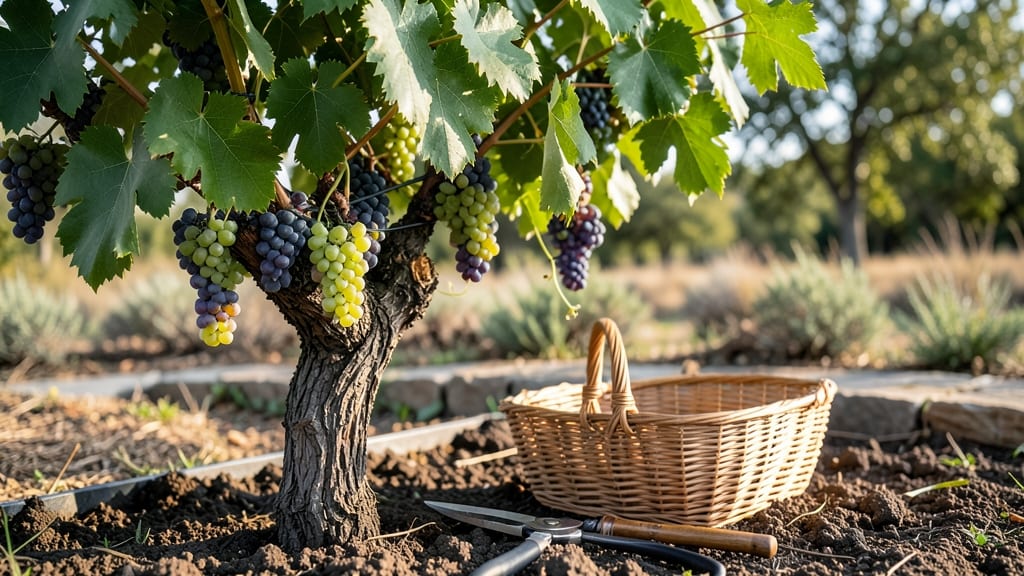
Grapes grow during spring and summer 🍇, but the exact season depends on your USDA zone and grape variety—some ripen as early as June, while others wait until October.
Did you know grapevines thrive in nearly every U.S. climate—but their harvest windows vary dramatically by region? Understanding your zone’s grape-growing season could mean the difference between a bountiful harvest and empty vines.
In warmer zones like California, grapes may start ripening by June, while in cooler areas like New York, you might not see harvest until late September or October. The key is matching your grape type to your local climate.
Below, I’ll break down how to time planting, pruning, and frost protection so you can maximize your harvest—no matter where you garden.

USDA zone-by-zone grape growth seasons and harvest timelines
Grapes grow in nearly every USDA zone—from cold-hardy Concord grapes in zone 3 to heat-loving Muscat varieties in zone 11—but their growth seasons and harvest windows shift dramatically.
Understanding your zone’s last frost date and first frost timing ensures you plant at the right moment and harvest before cold snaps ruin your crop. Let’s break down the ideal planting windows, flowering periods, and peak harvest months for each zone.
In cooler zones (3-7), grapevines enter dormancy early, with harvests as early as July for cold-hardy varieties. Meanwhile, warmer zones (8-11) enjoy extended growing seasons, with harvests stretching from August to November.
Even within a single zone, table grapes, wine grapes, and raisin grapes may ripen at different times, so timing matters!
Key factors like chill hours (required for bud break) and heat accumulation (for ripening) dictate when grapes grow best. For example, Cabernet Sauvignon needs 2,000+ chill hours and thrives in zones 6-10, while Thompson Seedless (raisin grapes) prefers zones 7-11 with hot, dry summers. Let’s dive into the specifics for your zone.
| USDA Zone | Planting Window | Flowering Period | Harvest Window | Best Varieties |
|---|---|---|---|---|
| Zones 3-4 | Early May (after frost) | Late June | July-August | Concord, Niagara, Catawba |
| Zones 5-6 | April-May | Late May-June | August-September | Chambourcin, Riesling, Pinot Noir |
| Zones 7-8 | March-April | May-June | September-October | Merlot, Cabernet Franc, Thompson Seedless |
| Zones 9-10 | February-March | April-May | October-November | Syrah, Zinfandel, Muscat |
| Zone 11 | Year-round (tropical) | March-April | November-December | Red Globe, Flame Seedless |
Harvest windows vary by 2-4 weeks based on microclimate and variety.
In zones 3-4, where winters are harsh, grapevines need cold protection and early spring planting after the last frost. Varieties like Concord thrive here, producing juice grapes by late summer. These zones have the shortest growing seasons, so choose early-ripening varieties to avoid fall frosts.
Gardeners in zones 5-6 enjoy a longer growing season, with harvests stretching into September. This is prime territory for wine grapes like Riesling and Chambourcin, which benefit from cool nights and warm days. Plant in early spring (April) and watch for flowering in late May.
For zones 7-8, the harvest window expands into October, making it ideal for table grapes and raisins. Thompson Seedless, a popular raisin grape, thrives here with hot, dry summers. Prune in late winter and plant in March for optimal growth.
In zones 9-10, grapevines grow year-round, with harvests as late as November. Zinfandel and Syrah love the long, hot summers here. Plant in February and expect flowering by April, followed by a prolonged harvest season
How climate affects grape varieties: best types for each season
Choosing the right grape varieties depends entirely on your local growing season. In spring-harvest zones (like USDA zones 3-6), cold-hardy varieties like Concord or Niagara thrive, while fall-harvest zones (zones 7-11) favor heat-tolerant types such as Thompson Seedless or Cabernet Sauvignon.
The key is matching variety maturity to your frost-free window.
Spring-harvest grapes need early-ripening varieties that avoid late-season frost damage. These grapes typically flower in late spring and harvest in early summer, giving them time to mature before cooler temperatures arrive. In contrast, fall-harvest grapes rely on long, warm summers to develop full sugar content and rich flavors.
Here’s how to select the perfect grape variety for your climate:
- 🌱 Spring Harvest: Concord (zones 3-9) – ripens July-August, ideal for cold climates.
- 🌿 Early Summer: Niagara (zones 4-8) – June-July harvest, frost-resistant.
- ☀️ Fall Harvest: Thompson Seedless (zones 7-11) – September-October, loves heat.
- 🍷 Late Season: Cabernet Sauvignon (zones 6-11) – September-November, needs long summers.
- ❄️ Cold-Hardy: Marquette (zones 3-8) – August-September, survives -30°F.
For short-season gardeners, prioritize early-ripening varieties like Catawba or Valiant, which mature in 90-110 days. These grapes can harvest before frost even in USDA zone 4. In warm climates, focus on heat-tolerant types like Muscadine or Zinfandel, which handle 100°F+ temperatures without stress.
Another critical factor is disease pressure. In humid climates, choose resistant varieties like Frontenac or La Crescent, which handle powdery mildew better than traditional types. Always check your USDA zone and local microclimate—a sheltered south-facing slope can extend your growing season by 2-4 weeks.
Pro tip: If you’re in a transitional zone (like zone 6b), consider interplanting varieties. For example, pair early-ripening Catawba with late-season Cabernet Sauvignon to spread out your harvest window. This strategy ensures you’re not left with overripe or frost-damaged fruit all at once.
Remember, soil and sunlight also play a role. Grapes need 6+ hours of sun and well-draining soil to thrive, regardless of variety. If your summer is short, focus on compact, bush-trained vines like Flame Seedless to maximize space and sunlight exposure.