
Orchid Care
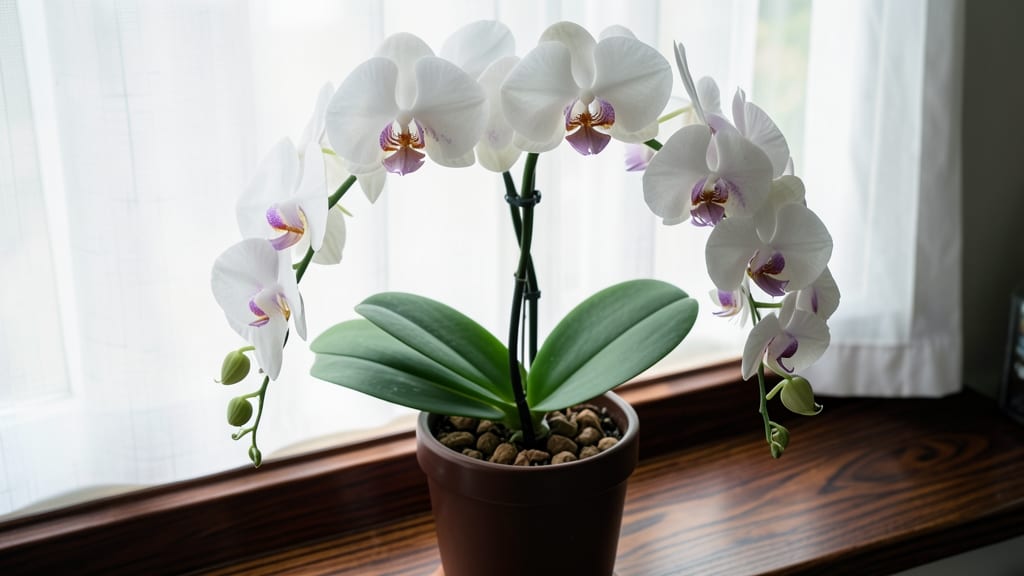
Orchids bloom in seasons that depend on their type and where you grow them—some burst into 🌸 glory year-round indoors, while others follow strict outdoor schedules.
Ever wondered why your Phalaenopsis orchid flowers in winter while your Cattleya waits for spring? The answer lies in their natural cycles, which can shift dramatically based on climate zones and care routines.
In this guide, I’ll break down the exact months for 10 common orchid varieties, how temperature and light trigger blooms, and why your orchid might be blooming at the wrong time.
You’ll also discover 5 pro tips to coax extra blooms—like adjusting light or using fertilizer hacks—so your orchids stay in peak form year after year.
Orchid bloom seasons by type: exact months for 10 popular varieties
Orchids are famous for their stunning blooms, but their flowering windows depend entirely on the species and your climate zone. Unlike seasonal flowers, many orchids bloom year-round indoors with proper care, while others follow strict seasonal cues.
Here’s the exact timing for 10 popular varieties, including how to adjust care for indoor vs. outdoor growing.
Most orchids need 12–14 hours of light and a temperature shift (like cooler nights) to trigger buds. Indoor orchids often bloom year-round, while outdoor varieties sync with local seasons. Below, I’ve mapped the peak bloom months for each type, plus rare exceptions like winter bloomers.