
Planting
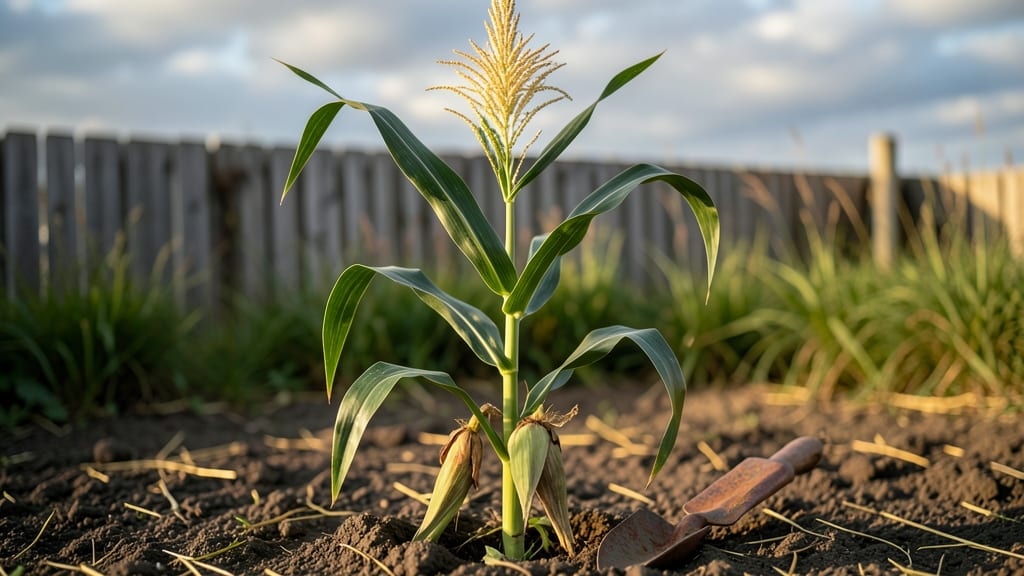
Corn grows best during the warm spring and summer seasons 🌽, when soil temperatures reach at least 60°F and frost is no longer a threat.
Picture this: you’ve spent weeks nurturing your seedlings, only to watch them wilt under a late frost or struggle in cool soil.
The key to a thriving corn crop lies in planting it at the right time—too early, and the cold stunts growth; too late, and the heat arrives before the ears form.
In most of the U.S., that means waiting until after the last frost—typically May or June—when the ground is warm enough to support rapid growth.
But regions like the Deep South or tropical zones have different rules, and even the variety of corn you choose (early, mid-season, or late) shifts the timeline.
Below, I’ll break down the exact planting windows by USDA zone, how to adjust for your climate, and the one mistake that ruins more corn harvests than anything else—so you can finally grow ears as big as your expectations.

Best planting season for corn by USDA Zone (with exact months)
Corn is a warm-season crop that thrives when soil temperatures consistently reach 60°F (15°C). Planting too early in cold soil can stunt growth or invite pests, while waiting too long may shorten the growing season.
The ideal planting window varies dramatically across USDA zones 3-11, so let’s break it down by region to ensure your corn gets the perfect start.
In cooler northern zones (3-6), corn typically goes in the ground after your last frost date, usually between late April and early June. Southern zones (7-11) have longer growing seasons, allowing for earlier plantings as early as February in Zone 11.
The key is soil warmth, not just calendar dates—corn won’t germinate well in cold soil, no matter the month.
Here’s a quick reference for ideal planting months by USDA zone, including frost-sensitive periods and soil temperature requirements:
| USDA Zone | Ideal Planting Month | Soil Temp Requirement | Last Frost Date | Harvest Window |
|---|---|---|---|---|
| Zones 3-4 | Mid-May to early June | 60°F (15°C) minimum | Mid-May | Late August to early October |
| Zones 5-6 | Late April to mid-May | 60°F (15°C) minimum | Early May | July to September |
| Zones 7-8 | March to early April | 55°F (13°C) minimum | Mid-March | June to August |
| Zones 9-11 | February to March | 50°F (10°C) minimum | None (tropical) | April to June |
In USDA zones 3-4, where frost lingers late, aim for mid-May to early June plantings. Use black plastic mulch to warm the soil faster if needed.
For Zones 5-6, late April to mid-May works well, but avoid planting if nighttime temps dip below 50°F (10°C)—corn seeds won’t germinate in cold soil.
Southern gardeners in Zones 7-11 have the luxury of earlier starts. In Zone 7, you can plant as early as March, while Zones 9-11 allow for February plantings.
However, even in warm climates, soil temperature is critical—corn won’t thrive if the ground is too cool, even if the air is warm.
For sweet corn, which matures faster (60-90 days), prioritize early plantings to avoid earworm infestations that peak in late summer. Field corn and
How to adjust corn planting for early vs late varieties
Choosing the right corn variety depends entirely on your local climate and harvest goals. Early-maturing varieties (60-75 days) are perfect for short growing seasons, while late-maturing types (100+ days) thrive in warm regions.
Even in USDA Zone 6a, selecting the wrong maturity type can mean the difference between a bountiful harvest and wasted effort. Let’s break down how to match your corn to your growing conditions.
For example, in cool northern climates, early varieties like 'Early Sunglow' (70 days) mature before summer heat arrives, while late varieties like 'Black Aztec' (110 days) need the extended warmth of USDA Zones 8-10.
Your planting window also shifts—early types can go in as soon as soil reaches 55°F, while late varieties need 65°F+ soil to germinate properly.
| Variety Type | Days to Maturity | Best USDA Zones | Planting Window | Harvest Window |
|---|---|---|---|---|
| Early (60-75 days) | 60-75 days | 3-7 | Late April-May | Late June-July |
| Mid-Season (80-95 days) | 80-95 days | 4-8 | May-June | Late July-Sept |
| Late (100+ days) | 100-120 days | 7-10 | June-July | Sept-October |
If you live in USDA Zone 6a, I recommend planting mid-season varieties like 'Silver Queen' (85 days) for a balance between early harvests and larger ears. For container gardening, choose early types—they mature before your pots get too crowded.
In southern climates, late varieties let you stretch harvests into fall, avoiding summer’s extreme heat.
Pro tip: Plant a mix of varieties to extend your harvest. For example, sow early types in May and late types in June. This ensures you have fresh corn from July through September without gaps.
Just remember—late varieties need longer frost-free periods, so check your local frost dates before committing.
Another key factor is pollination timing. Early varieties pollinate faster, reducing the risk of drought stress or pest pressure. Late types, however, require consistent moisture during their extended growing season. In dry climates, prioritize early or mid-season types to avoid stunted growth.
For urban gardeners with limited space, bush corn varieties (like 'Golden Bantam') are ideal—they grow 4-5 feet tall instead of 8+ feet, making them perfect for raised beds or small plots. These varieties also mature quickly (60-70 days), giving you multiple harvests in a single season.
Finally, always check seed packets for specific variety notes. Some late-maturing types, like 'Country Gentleman' (115 days), are bred for southern climates and may struggle in northern zones unless started indoors. When in doubt, opt for mid-season varieties—they’re the most versatile for USDA Zones 4-9.