
Container Gardens
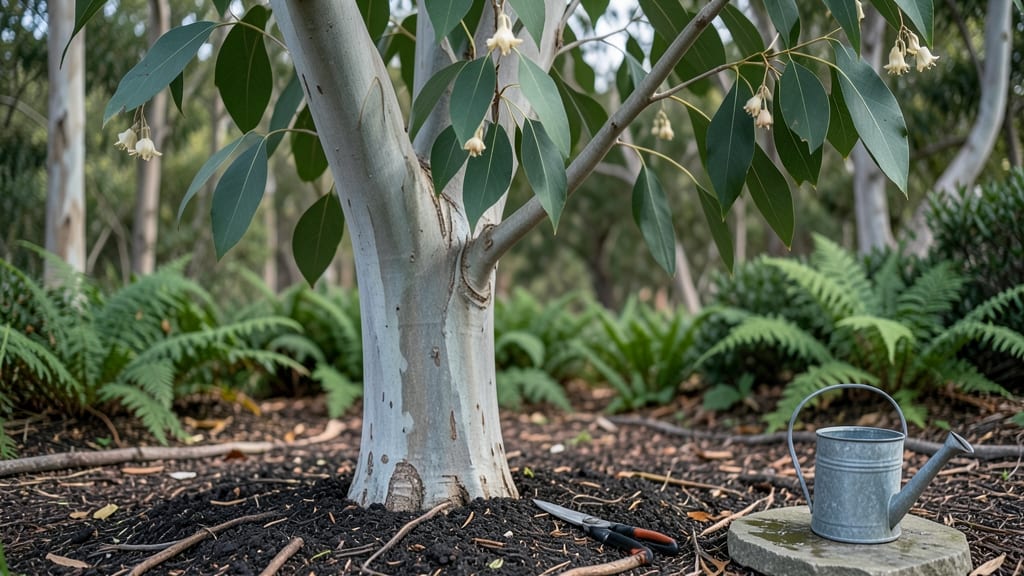
Eucalyptus thrives during spring and summer seasons, demanding warm temperatures and full sunlight to flourish. Most types prefer USDA hardiness zones 8-11, though hardier varieties can adapt to cooler regions with proper winter protection. For best results, plant after the last frost when soil reaches at least 60°F.
Eucalyptus trees are sun-worshippers, and their growth cycles align closely with warmer months. 🌞 In regions with mild winters, they can even grow year-round, but true peak performance happens when daytime temperatures consistently stay above 70°F.
The key is avoiding sudden temperature drops—young plants are especially vulnerable to frost damage, which can stunt growth or kill them entirely. I've seen eucalyptus in zone 10 grow almost continuously, while northern growers must treat it as an annual or provide winter protection like thick mulch or row covers.
What's fascinating is how different varieties adapt. Silver dollar gum and lemon-scented gum are among the hardiest, surviving down to zone 7 with shelter, while manna gum prefers the heat of zones 9-11.
The planting window varies too—southern growers can plant anytime, but northern gardeners should wait until late spring when nighttime temperatures stay above 55°F consistently. This timing ensures the roots establish before summer's intense heat arrives.
💡 In This Article
- Eucalyptus Growth Seasons by Climate Zone
- Best Planting Months for Eucalyptus Trees
Eucalyptus growth seasons by climate zone
Eucalyptus trees are tropical and subtropical natives, meaning their growth patterns are directly tied to temperature ranges. During spring and summer, when daytime temperatures consistently stay between 70-95°F, eucalyptus enters its active growth phase.
This is when you'll see rapid leaf production and height increases of 12-24 inches per year in ideal conditions. The trees rely on warm temperatures to activate their metabolic processes, particularly photosynthesis, which peaks at 80-85°F—any cooler and the chemical reactions slow dramatically.
The USDA hardiness zone system helps explain why most eucalyptus varieties struggle outside zones 8-11. In these zones, winter temperatures rarely drop below 10°F, protecting the trees from frost damage.
For example, blue gum eucalyptus (a popular variety) can survive down to 15°F with proper mulching, but prolonged exposure to 20°F or below will cause leaf browning and potential dieback.
In cooler zones (5-7), eucalyptus often grows as a container plant that gets moved indoors during winter or is heavily mulched with 6-8 inches of straw to insulate roots.
What happens in cooler climates is fascinating—the trees enter a dormancy-like state during fall and winter. While not true dormancy (like deciduous trees), growth slows to 1-2 inches per month as the trees conserve energy.
This is why you'll see new growth spurt in early spring—once soil temperatures reach 60°F and nighttime lows stay above 45°F, the trees "wake up" and begin active growth.
This seasonal rhythm explains why northern growers often see stunted growth if planted too early in spring before consistent warmth arrives.
There's also a critical moisture-temperature relationship. Eucalyptus roots are shallow and spread widely, making them sensitive to both drought and waterlogging. During summer's peak growth, they need 1-1.5 inches of water weekly, but the soil must be well-draining to prevent root rot.
In cooler zones, winter watering should be reduced by 50% since the trees' water needs drop dramatically. This is why you'll often see eucalyptus struggling in heavy clay soils—even with ideal temperatures, poor drainage becomes the limiting factor.
One surprising adaptation is how some eucalyptus varieties handle partial shade. While they prefer full sun, varieties like lemon-scented gum can tolerate 30-40% shade in hot climates, which actually helps reduce water stress.
However, this shade tolerance disappears in cooler zones where the trees need maximum sunlight to compensate for lower temperatures. The key takeaway is that while eucalyptus is flexible, it's always trading off between temperature, sunlight, and moisture—all of which vary dramatically by season and location. 🌿
For gardeners in marginal zones (like zone 7), the solution often lies in microclimates. Planting near south-facing walls or using black plastic mulch to warm the soil can extend the growing season by 2-4 weeks in spring.
I've seen container-grown eucalyptus in zone 6 thrive when moved to sunny patios in summer and brought indoors before 40°F nighttime temperatures arrive. This flexibility makes eucalyptus surprisingly adaptable when you understand its seasonal needs.