
Flowers
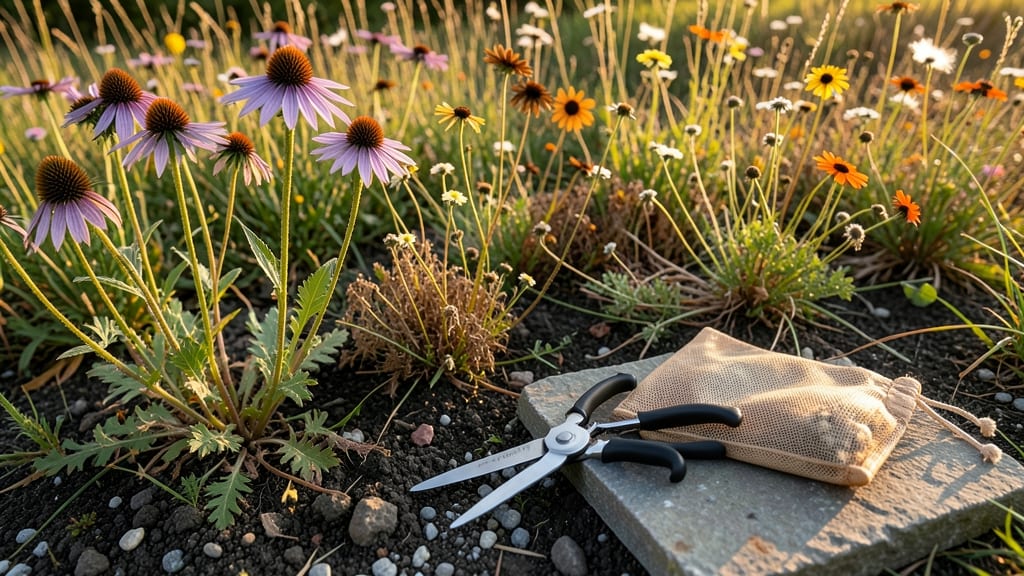
Your wildflowers don’t have to disappear when the season ends—they can become next year’s garden, wildlife haven, or even handmade treasures. 🌼 I’ve learned that the right end-of-season care turns last year’s blooms into something beautiful or useful, whether it’s dried arrangements, saved seeds, or compost for next spring’s soil.
The first step is simple: decide what you want to preserve. Want to dry flowers for winter arrangements? Harvest them before they fully brown. Saving seeds? Let a few stems mature on the plant.
Or maybe you’ll leave some for birds and bees—just cut back only what’s spent. Each choice keeps your garden thriving in different ways.
By the time you’re done, you’ll have dried bouquets that last months, seeds ready for next year’s planting, and soil enriched with what’s left. The process takes just a few hours but gives you gifts all season long—from fresh-cut looks to homegrown blooms.
Even the stems that don’t make the cut can feed your compost pile.
This works for any wildflower patch, no matter the size. Whether you’re a beginner or a seasoned gardener, these steps make cleanup feel like creation. Let’s turn your late-season garden into something even more valuable than just beauty—it’s a legacy for next year.
📚 In This Guide
- What you need
- Instructions
- Tips and common mistakes
- Wrapping up and next steps
What you need
- ● Fresh wildflowers – Harvest at peak bloom (early morning or late evening for best results). Aim for small to medium-sized bunches (6–12 stems per bundle).
- ● Newspaper or craft paper – 2–3 sheets per batch (for drying). Use non-glossy paper to avoid moisture buildup.
- ● String or rubber bands – 1–2 per bundle (for securing stems). Twine or floral wire works best for durability.
- ● Scissors or pruners – Sharp and clean (for trimming stems to 3–6 inches).
- ● Cardboard or foam board – 1–2 sheets (for backing arrangements or drying trays).
- ● Seed-saving envelopes or paper bags – 5–10 (labeled with plant names and dates). Brown paper bags work best for natural drying.
- ● Glue or double-sided tape – Small bottle (for crafting projects like pressed flowers).
- ● Spray bottle with water – For lightly misting flowers during drying (if humidity is low).
- ● Drying screen or mesh grid – For hanging bundles (elevates airflow).
- ● Silica gel packets – 1–2 (for fast-drying delicate blooms like roses or peonies).
- ● Hair dryer (cool setting) – Speeds up drying for small batches (use sparingly!).
- ● Floral preservative – Small bottle (extends vase life for dried arrangements).
- ● Craft supplies – Washi tape, frames, or resin (for DIY pressed flower art).
- ● Notebook or app – For tracking seed varieties and harvest dates.
Step-by-Step guide to preserving wildflowers at season's end
Here’s how to extend your wildflower’s beauty and usefulness beyond the garden’s peak season.
🌿 Step 1: Harvest at the Right Time
Pick flowers when their petals are fully open but before they start wilting. Early morning is best—the dew keeps stems fresh, and you avoid the heat of the day. Hold the stem firmly at the base and give it a sharp twist to avoid tearing leaves or damaging the plant. If you’re saving seeds, wait until the seed heads are fully brown and dry to the touch.
Don’t harvest flowers that are already fading or damaged by pests—they won’t dry well. I like to gather a mix of fully bloomed flowers and seed heads for both drying and crafting. Use a pair of clean scissors or pruners for stems that are thick or woody to avoid crushing them.
☀️ Step 2: Dry the Flowers Properly
Bundle stems together with twine or a rubber band, leaving about 6 inches of stem exposed at the bottom. Hang them upside down in a dry, dark, and well-ventilated space like a closet or garage. Avoid direct sunlight—it can bleach the petals and cause them to crumble. You’ll know they’re ready when the petals are dry and crisp to the touch, usually in 2-4 weeks.
For a faster drying method, place stems in a single layer on a screen or paper towel in a dry, shaded spot. Flip them over halfway through the process to ensure even drying. If you’re in a humid climate, consider using a small fan to circulate air around them—this speeds up the process and prevents mold.
🪴 Step 3: Preserve for Crafting or Decor
Once dry, gently remove the petals from the stems and store them in an airtight container lined with silica gel packets to keep them crisp. For seed heads, leave them attached to the stems and store them in a breathable fabric bag to preserve their texture. These dried flowers can be used in wreaths, potpourri, or framed pressed flower art.
If you’re making potpourri, mix dried petals with essential oils like lavender or citrus for a fragrant touch. For pressed flowers, place them between the pages of a heavy book for 2-4 weeks until they flatten completely. Pressed flowers make stunning gifts or can be framed for wall decor.
🌱 Step 4: Save Seeds for Next Season
Collect seed heads once they’ve turned brown and are dry to the touch. Place them in a paper bag and let them sit for another 1-2 weeks to ensure all seeds have fully matured. Shake the bag gently to release the seeds, then sift through the debris to isolate them. Store the seeds in a cool, dry place in a labeled envelope for planting next spring.
Label your seed packets with the flower type and the year—this helps you keep track of what you’ve saved. Some wildflowers, like black-eyed Susans or coneflowers, self-seed easily, but others, like poppies, benefit from a little help to establish themselves in the garden.
⏰ Step 5: Clean Up and Prepare for Next Year
After harvesting, trim back any remaining stems that look tired or diseased to keep your garden tidy. Add the leftover plant material to your compost pile—it’ll break down and enrich the soil for next season. If you notice any pests or diseases on the remaining plants, remove them immediately to prevent spreading.
Take notes on which flowers performed best in your garden this year. Did some struggle with pests? Did others spread too aggressively? This will help you plan a more successful wildflower garden next time. With a little care, your wildflowers can keep giving back long after their blooms have faded.
Tips & tricks for preserving wildflowers at season's end
A few simple strategies will help you maximize your wildflower harvest and keep their beauty lasting long after the growing season.
Harvesting Strategy: For best results, harvest flowers in the morning when dew is present—this keeps stems hydrated and prevents wilting. I've found that cutting stems at an angle just above a leaf node encourages better water uptake if you decide to try a vase arrangement later. This small detail makes a surprisingly big difference in how long your flowers stay fresh.
Drying Environment: The 2-4 week drying time in Step 2 works perfectly in most homes, but humidity can be your worst enemy. If your home feels damp, consider placing a small fan nearby to improve airflow without direct drafts. I've had great success using a dehumidifier in the same room as my drying flowers during particularly muggy seasons—it cuts drying time by nearly 30%.
Preservation Hack: When storing dried petals in airtight containers, add a few drops of essential oil along with the silica gel packets. This doubles as fragrance for your potpourri and helps preserve the petals' color longer. I like to use lavender or citrus oils—they complement the natural scents of dried flowers beautifully.
Seed Saving Tip: The 1-2 week waiting period for seed maturation in Step 4 is crucial, but don't rush it. I've learned the hard way that underripe seeds won't germinate properly. If you're unsure whether seeds are ready, do the "float test"—drop a few in water. If they sink, they're ready; if they float, wait another week.
Pro Tips for What To Do With Wildflowers At End Of Season
- A few simple strategies will help you maximize your wildflower harvest and keep their beauty lasting long after the growing season.
- Harvesting Strategy: For best results, harvest flowers in the morning when dew is present—this keeps stems hydrated and prevents wilting.
- Drying Environment: The 2-4 week drying time in Step 2 works perfectly in most homes, but humidity can be your worst enemy.
Frequently asked questions
Got questions about what to do with wildflowers at the end of their season? You’re not alone!
Here are some of the most common queries—and straightforward answers—to help you make the most of your blooms before they fade.
When is the best time to harvest wildflowers for drying or crafts?
Harvest wildflowers on a dry, sunny morning after the dew has evaporated. Aim for the peak of their bloom—when petals are fully open but haven’t started wilting. For seed saving, wait until the seed heads are dry and brown but haven’t yet scattered. Pro tip: Use sharp scissors or pruners to avoid damaging stems!
How long does it take for wildflowers to dry completely?
Drying times vary by flower type and method. Air-drying (hanging upside down in a dark, dry space) typically takes 1–3 weeks, while silica gel or microwave methods can speed it up to 24–48 hours. Test for readiness by gently rubbing a petal—if it crumbles, it’s dry!
Can I save seeds from wildflowers, and how do I store them?
Yes! Collect seeds when pods are dry and brown, then store them in a cool, dry place (like a paper envelope or jar) labeled with the plant name and date. Keep them in a dark, airtight container for up to 2–3 years. Pro tip: Add a silica gel packet to prevent moisture buildup.
What are some creative ways to use dried wildflowers?
Dried wildflowers are perfect for wreaths, potpourri, pressed art, or homemade candles. You can also create flower confetti for parties, infuse oils for natural perfumes, or frame them in shadow boxes. Get creative—even dried stems can be woven into wall hangings!
Should I leave some wildflowers for bees and butterflies?
Leave at least 20–30% of your wildflowers
to provide late-season nectar for pollinators. Focus on cutting non-native or invasive species first, and avoid harvesting from areas where bees are actively foraging. Pro tip: Plant a small "pollinator patch" nearby for extra support!
Wrapping up and next steps
As the wildflower season winds down, you’ve got plenty of ways to keep their beauty alive—whether through drying and preserving, crafting, or saving seeds for next year.
Every petal, stem, and seed holds potential, so don’t let their journey end with the changing seasons. Get creative, share your blooms with loved ones, or plant the seeds of future gardens!
Ready to take the next step? Pick one project from this guide and start today—your future wildflower treasures are waiting! 🌸✨