
Orchid Care
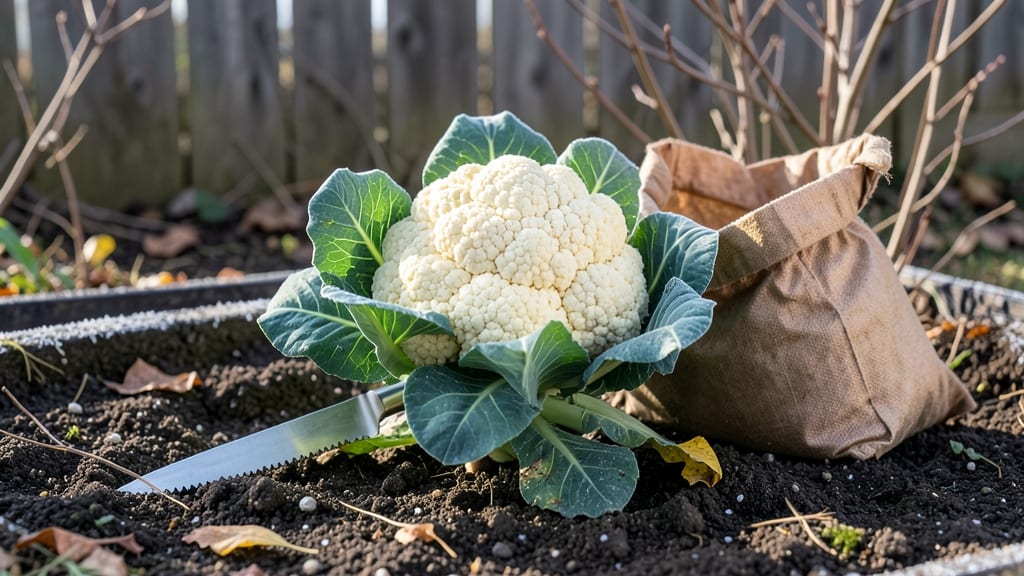
January’s in-season vegetables vary by region: Northern US gardens thrive with hearty greens like kale, Swiss chard, and cabbage, while Southern climates offer carrots, beets, and collard greens for fresh harvests.
January’s vegetable harvests depend heavily on your location—Northern growers can still harvest frost-tolerant greens like kale and spinach, which actually sweeten after light freezes, while Southern gardens focus on root vegetables like carrots and turnips. 🔥 The key difference?
Northern regions benefit from extended daylight in late winter, while Southern areas avoid extreme cold that would damage tender crops. If you’re in a transitional zone, consider cold frames or row covers to protect delicate plants like lettuce or peas.
For home gardeners, this means planning ahead: Northern gardeners should prioritize brassicas (cabbage, broccoli) that thrive in cooler weather, while Southern growers can extend their harvests with collard greens and radishes, which mature quickly.
Always check your local USDA hardiness zone to match crops with your climate—it makes all the difference in January yields.
💡 In This Article
- Climate Factors Affecting January Vegetable Harvests
- Best January Vegetables for Home Gardeners by Region
Climate factors affecting January vegetable harvests
January’s frost patterns and temperature zones create a dramatic divide in what thrives north versus south. Northern regions (USDA zones 3-6) experience average lows of 10-30°F, forcing plants to develop cold-hardy adaptations like thick leaves and high sugar content.
These conditions allow kale and Swiss chard to survive—both can tolerate -10°F temperatures while actually improving in flavor after light freezes. The science? Freezing breaks down starches into sugars, creating that sweet, tender texture we love in winter greens.
Southern climates (zones 7-10) avoid these deep freezes, with soil temperatures rarely dropping below 40°F. This milder winter lets root vegetables like carrots and beets continue growing—roots store energy underground where temperatures stay stable. The key difference?
Northern gardens rely on short-day plants (like cabbage) that mature quickly in limited winter light, while Southern growers can extend harvests with longer-season crops that avoid frost entirely. Daylight hours also matter: Northern regions gain 1-2 extra minutes of light each day, boosting photosynthesis for cold-hardy greens.
Soil temperature plays a hidden role—roots need 50°F+ to grow, while greens can survive in 32-40°F soils. That’s why Northern gardeners use mulch (straw or leaves) to insulate roots, while Southern growers focus on drainage to prevent waterlogging from winter rains.
The result? Northern harvests prioritize leafy greens, while Southern gardens shine with crisp roots and tender stems like collard greens, which stay productive until spring.
Here’s what most people miss: microclimates within regions. A sheltered garden spot might be 5-10°F warmer than open areas, allowing tender crops like lettuce to survive where they’d otherwise fail.
That’s why Southern gardeners often plant near south-facing walls or use cold frames—these techniques create localized warmth that extends the growing season by 4-6 weeks. The takeaway? Your January harvest depends as much on garden placement as on the plants you choose.
Consider these climate-driven growing strategies:
- Northern zones: Focus on mulching (6+ inches of straw) to protect roots from freeze-thaw cycles
- Southern zones: Prioritize drainage and windbreaks to prevent soil compaction from winter rains
- Transitional zones: Use row covers (lightweight fabric) to add 5-8°F of protection
The bottom line? January’s best vegetables aren’t just about hardiness—they’re about matching your microclimate’s unique conditions. 🌱