
Orchid Care
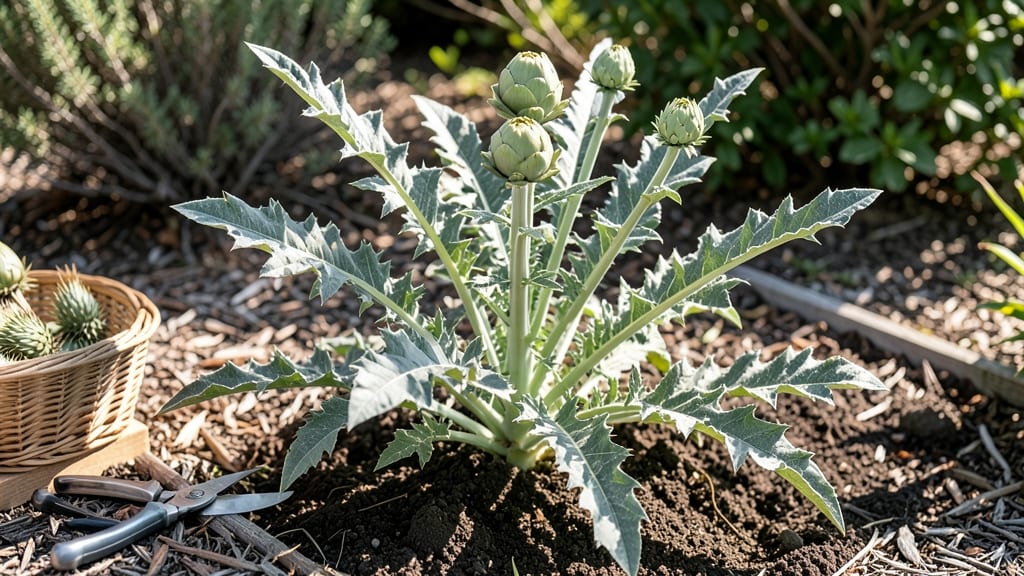
Artichokes in the USA reach peak season between March and August, with regional timelines that shift from California’s early harvests to the Northeast’s late-summer bounty.
If you’ve ever wondered why artichoke prices spike in spring or why grocery stores suddenly stock them in bulk, the answer lies in their seasonal cycles—each region in the USA has its own prime time for harvesting these thorny delights.
California and Arizona kick off the season as early as March, thanks to their mild winters, while the Midwest and Northeast wait until June or July when temperatures rise. Even then, some varieties, like the iconic Green Globe, thrive in cooler climates, extending the window until August.
Below, I’ll break down the month-by-month harvest timeline by region, how to spot the freshest picks, and why homegrown artichokes from your own 🌱 garden might just be the best way to enjoy them year-round—if you’re willing to wait for the right moment.
Artichoke season in the USA: month-by-month harvest timeline by region
Artichokes thrive in warm climates but have distinct seasonal peaks across the USA. In California and Arizona, mild winters allow year-round production, while the Northeast enjoys a shorter summer window. Understanding these regional patterns helps you time your harvests or find the freshest market picks.
Temperature plays a critical role—artichokes need 60-80°F for optimal growth. Coastal areas like Santa Barbara can harvest earlier than inland Salinas Valley. Meanwhile, the Northeast’s June-August window depends on frost-free dates, often starting in May for early varieties.
🌱
| Region | Early Season (March-May) | Peak Season (June-August) | Late Season (September-October) | Key Varieties |
|---|---|---|---|---|
| California | February-April (coastal) | May-July (Central Valley) | August-September (Southern CA) | Green Globe, Imperial Star |
| Arizona | March-April (Yuma) | May-June (Phoenix) | July-August (high desert) | Romanesco, Violetto |
| Northeast (NY, NJ) | N/A (too cold) | June-July (early frost risk) | August (limited window) | Green Globe (cold-hardy) |
California dominates 95% of U.S. artichoke production, with Salinas Valley supplying 80% of the nation’s crop. The mild coastal climate extends their season from February to October, while inland areas like Bakersfield peak in May-July due to hotter summers.
In Arizona, Yuma kicks off early with February-March harvests, thanks to its desert heat. By June, Phoenix-area farms join the game, but high summer temps can stress plants, shortening their peak window to just 4-6 weeks.
Northeast growers face shorter seasons due to frost. In New York and New Jersey, June-July is the only reliable window. Early varieties like Green Globe mature faster, but August brings frost risks, cutting the season short.
Climate factors like rainfall and humidity also matter. Too much rain in California can split buds, while drought stress in Arizona reduces yields. Northeast growers often use row covers to extend harvests by 2-3 weeks.
For home gardeners, Southern California and Arizona allow year-round planting, while Northeast growers must start seeds indoors by March for a summer harvest. Always check last frost dates—artichokes won’t tolerate cold soil.
🌿
Pro tip: Green Globe artichokes are the most widely grown and adaptable. In California, they peak in June-July, while Romanesco varieties shine in Arizona’s cooler spring months. If you’re in the Northeast, focus on early-maturing varieties to beat frost.
💧
How to identify peak artichoke season and buy the freshest picks
Spotting peak-season artichokes at your local market means scoring the tastiest, crispest buds at the best prices. Unlike many vegetables, artichokes thrive in cool climates, so their season varies dramatically across the USA.
In California and Arizona, you’ll find them from March through June, while Northeast growers harvest between June and August. Knowing these windows helps you avoid out-of-season imports, which often taste bland and wilt quickly.
When shopping, prioritize tightly closed buds with deep green color—these are the hallmarks of freshness. Avoid any with purple or yellow tips, as that signals overripeness. The stem should feel firm, not woody or hollow, and the leaves at the base should still be tightly wrapped.
These visual cues guarantee you’re bringing home a homegrown-quality artichoke, not a store-bought disappointment.
🌱 In-Season Artichokes vs. Out-of-Season Imports
✅ In-Season Picks (USA Grown)
- Firm buds with no soft spots
- Deep green color, no browning
- Tightly closed leaves at base
- Fresh, earthy smell
- Lower price per pound
- Lasts 1-2 weeks in fridge
❌ Out-of-Season Imports
- Soft or spongy when squeezed
- Purple/yellow tips (overripe)
- Loose leaves at base
- Mild, bland taste
- Higher price for poor quality
- Wilts quickly (3-5 days)
For the best flavor and texture, visit local farmers' markets during peak season. Vendors often harvest their artichokes just hours before selling, ensuring maximum freshness.
If you’re shopping at a grocery store, check the packaging date—artichokes shipped from California in July might still be fresh, but those arriving in December were likely grown in Peru or Mexico and lack the same crispness.
Pro tip: Buy smaller buds for better flavor—they’re tender and less fibrous than larger ones. Smaller artichokes also take longer to cook, preserving their texture. If you’re growing your own, harvest in the morning when buds are coolest and most hydrated.
Store them in the crisper drawer of your fridge, wrapped in a damp paper towel to maintain moisture.
Remember, seasonal artichokes are a spring and summer treat in most of the USA. Plan your meals around their availability—think grilled artichokes, artichoke hummus, or stuffed artichoke leaves—and you’ll enjoy their peak flavor when it matters most.
Once the season ends, your best bet is to freeze or can extras for later use.
Next time you spot a bulk artichoke display in winter, ask the vendor where they were grown. If the answer isn’t California or your local state, it’s a red flag. Freshness wins—always prioritize in-season, locally grown artichokes for the best gardening-to-table experience. 🌱