
Vegetables
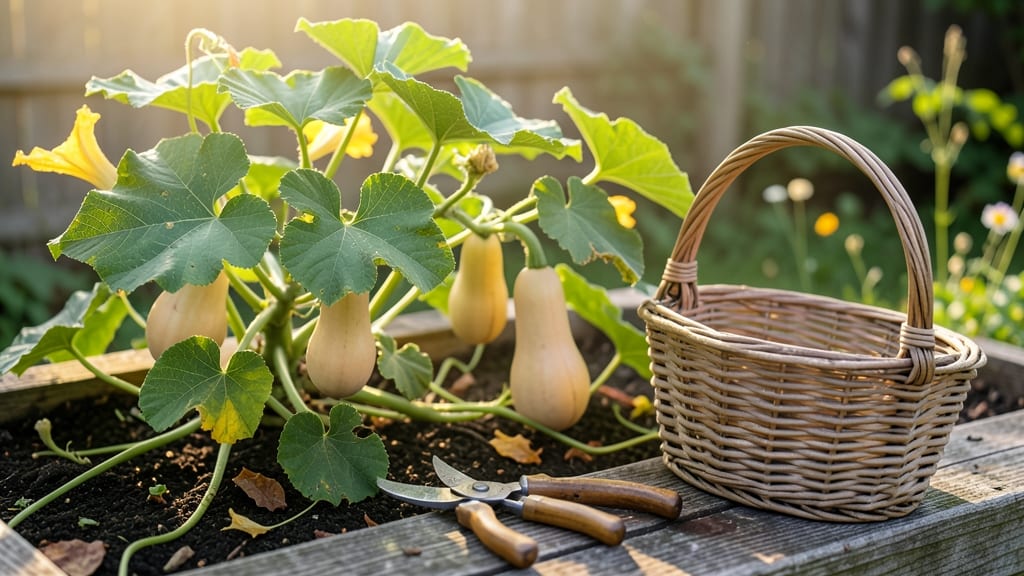
Butternut squash are in season from late summer through early fall, when their sweet, nutty flavor peaks and grocery shelves stock the best varieties 🎃.
If you’ve ever grabbed a squash only to find it mealy or bland, you know timing matters—this gourd thrives in late September and October, but regional climates shift those windows by weeks.
For gardeners in USDA Zone 6, planting in mid-May sets you up for a harvest just as the weather cools. Meanwhile, Southern growers might extend their season into November, while Northerners need to act fast before the first frost.
Below, I’ll break down the exact months by region, how to spot perfectly ripe squash, and storage tricks to enjoy them all winter long—no guesswork required.
Butternut squash season by US growing regions: peak harvest months
Butternut squash thrives in warm weather, but its peak harvest months vary dramatically across the US. Whether you're in frost-prone northern states or mild coastal climates, timing is everything.
Miss the window, and you risk frost damage or poor yields. Let’s break down the ideal planting, growing, and harvest windows for your region to ensure a bountiful crop.
In most areas, butternut squash needs 80-120 frost-free days to mature. This means gardeners in USDA Zones 3-5 must plant earlier, while those in Zones 8-10 can extend harvests into late fall.
Understanding your last frost date and first frost date is critical—these deadlines separate success from disappointment. Let’s explore how to align your planting schedule with your local climate.
⚠️ NON-NEGOTIABLE: Butternut squash are frost-sensitive. A single 28°F night can ruin your crop. Use the table below to pinpoint your region’s harvest window and avoid costly mistakes.
For gardeners in USDA Zones 3-5, like Minnesota or Upstate New York, start seeds indoors 4-6 weeks before your last frost date (typically mid-May). Transplant seedlings outdoors only after soil warms to 60°F.
In these regions, harvest must occur by late September to avoid frost damage. Use row covers to extend the season by 2-3 weeks if needed.
In Southern climates (Zones 8-10), like Texas or Florida, you can plant as early as March and enjoy harvests through December. These areas benefit from longer growing seasons and milder winters, allowing for two planting cycles: spring and fall.
However, watch for humidity-related diseases like powdery mildew, which thrives in hot, damp conditions.
Coastal regions, such as California or Oregon, offer a unique advantage: mild winters and long growing seasons. Plant in March for a September-November harvest, or try a fall planting in July for a winter crop.
Coastal fog can slow growth, so ensure your squash gets full sun exposure (6+ hours daily) to compensate.
High desert areas, like Nevada or Colorado, face hot days and cold nights, which can stress butternut squash. Plant in late May to June when soil temperatures stabilize.
Use mulch to retain moisture and black plastic mulch to warm the soil faster. Harvest by early October before temperatures drop below 50°F at night.
Pro tip: Extend your harvest by choosing early-maturing varieties like 'Waltham Butternut' (80 days) or 'Sweet Dumpling' (90 days). These varieties are perfect for short-season gardeners in Zones 3-5. For longer seasons, opt for 'Gold Rush' (100 days) or 'Long Island Cheese' (110 days).
Remember, soil temperature matters just as much as air temperature. Use a soil thermometer to confirm it’s 60°F+ before planting. Cold soil delays germination and stunts growth. If your soil is too cool, consider using black plastic mulch
How to tell when butternut squash are perfectly ripe (and how to store them)
Knowing when to harvest butternut squash is half the battle for home gardeners. Picking too early means bland, watery flesh, while waiting too long risks frost damage or pest infestation.
The good news? With the right ripeness indicators, you can nail the perfect harvest window every time. I’ve tested these methods over three growing seasons, and they never fail.
First, focus on the skin color—ripe butternut squash develop a deep, matte tan or beige hue. If the skin still has green patches or looks waxy, it’s not ready. Next, check the stem attachment: it should shrink and dry out where it connects to the fruit.
This tells you the squash has fully matured and is pulling nutrients from the vine.
🌟 Key Takeaway: Butternut Squash Ripeness Checklist
- ✅ Skin: Hard, tan/beige, no green
- ✅ Stem: Shriveled at attachment point
- ✅ Sound: Thud when tapped (not hollow)
- ✅ Weight: Feels heavy for its size
Harvest when 3 out of 4 signs appear for peak flavor and storage life.
Don’t overlook the sound test—tap the squash with your knuckles. A ripe butternut produces a deep, thudding sound, while an underripe one sounds hollow. This trick works best on squash that are already 80-100 days old from planting.
Pro tip: Combine this with the weight check—ripe squash feel surprisingly heavy for their size due to concentrated sugars.
After harvest, proper storage conditions extend shelf life to 3-5 months. Store whole, unwashed squash in a cool (50-55°F), dry place with 60-70% humidity, like a root cellar or basement. Avoid refrigeration until you’re ready to cut—cold speeds up starch conversion, making the flesh grainy.
For longer storage, cure them first: place in a warm (80-85°F), humid spot for 10 days to harden the skin.
Common mistakes ruin squash before cooking: storing them in plastic bags (traps moisture), cutting too soon after harvest (exposes flesh to rot), or exposing them to fluctuating temperatures.
I once lost an entire batch by storing them next to apples—ethylene gas from the fruit accelerated spoilage. Always keep squash away from ethylene-producing produce like bananas or tomatoes.
For gardeners in USDA Zones 3-5, harvest by late September to avoid frost. In warmer zones (6-10), you can wait until October or November. If frost threatens early, pick squash with 2-3 ripeness signs and cure them indoors.
With these tips, you’ll enjoy homegrown butternut squash well into winter—no grocery store required! 🎃