
Flowers
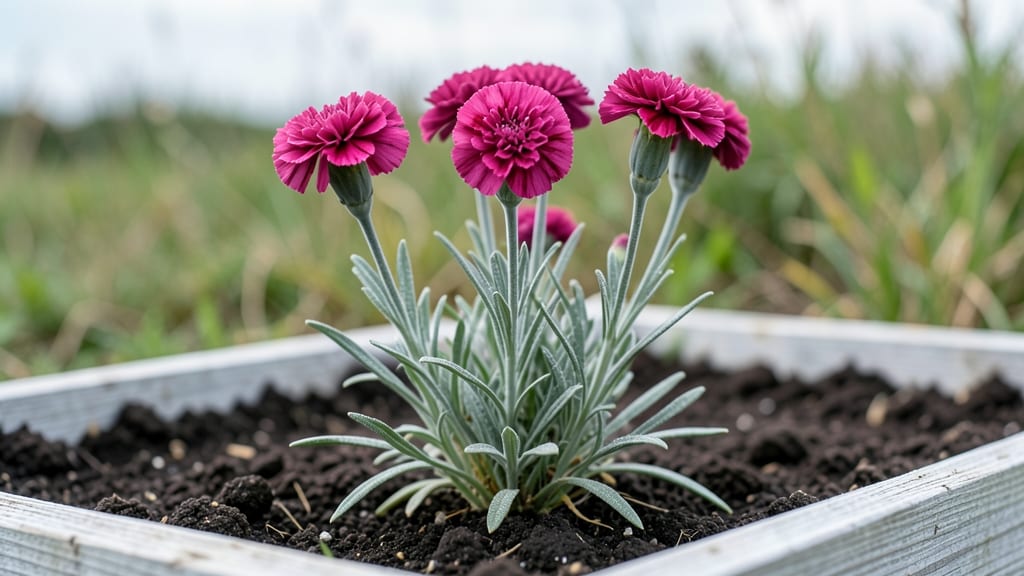
Carnations bloom in season during spring and fall, with peak availability aligning perfectly with their natural growing cycles — a fact that explains why your favorite florist’s selection shifts dramatically over the year.
If you’ve ever wondered why your local florist’s carnations seem to vanish—or why prices spike at certain times—seasonality plays a huge role. These 🌸-adorned blooms thrive in cooler weather, so their prime months depend entirely on where you live.
In USDA Zone 6a, like much of the Midwest, spring planting in March yields blooms by June, while fall plantings in August deliver color through October. Warmer climates push these windows later, but the pattern holds: carnations are never a year-round staple.
Below, I’ll break down exactly when to expect fresh stock by region, how to stretch their season with simple tricks, and the best varieties for your climate—so you can enjoy these fragrant favorites without the seasonal scramble.
Carnation season by climate zone: when to expect peak blooms
Carnations thrive in spring and fall, but their exact bloom windows depend heavily on your USDA climate zone.
In cooler zones (3-6), you’ll see vibrant blooms from May through July and again in September-October, while warmer zones (8-10) enjoy year-round blooms with peaks in winter and early spring. The key? Temperature triggers flowering—cooler nights after hot days produce the best buds.
For gardeners in temperate zones (7-8), carnations often bloom in two distinct waves: a spring flush from March-April plantings and a fall display from August-September starts.
In tropical zones (10-11), they can flower continuously, but heavy summer heat may cause dormancy unless you choose heat-tolerant varieties like 'Chou-Chou' or 'White Picotee'.
Here’s how to time your carnation planting for peak blooms in your zone:
| USDA Zone | Peak Bloom Windows | Planting Window | Key Varieties | Temperature Notes |
|---|---|---|---|---|
| 3-6 (Cold) | May-July, Sept-Oct | March-April, Aug-Sept | 'Iceberg', 'Cinderella' | Needs frost protection |
| 7-8 (Temperate) | March-April, Aug-Sept | Feb-Mar, July-Aug | 'Sim', 'Spray Mix' | Thrive in mild winters |
| 9-10 (Warm) | Oct-Feb, April-May | Sept-Oct, Feb-Mar | 'White Picotee', 'Chou-Chou' | Heat-tolerant varieties |
| 11 (Tropical) | Year-round (peaks winter) | Monthly plantings | 'Crimson Velvet' | Continuous blooms |
In USDA zones 3-6, where frosts are common, carnations need early spring planting (March-April) to avoid late-season heat stress. For fall blooms, plant in late summer (August) to let roots establish before winter. Mulch heavily in these zones to protect roots from freezing temperatures.
Gardeners in zones 7-8 have the easiest time—spring and fall plantings yield two reliable bloom cycles. The secret? Consistent moisture during bud formation. Let the soil dry slightly between waterings to prevent powdery mildew, a common issue in humid summers.
In zone 8, you can even overwinter carnations with light frost cloth for early spring blooms.
For warmer climates (zones 9-10), timing is about avoiding summer heat. Plant in early fall (September) for winter blooms or late winter (February) for spring displays. Shade cloth (30-50%) helps prevent bud drop during 90°F+ days.
In zone 10, carnations can bloom year-round if given afternoon shade.
If you’re in a tropical zone (11), treat carnations like annuals—they’ll reward you with continuous blooms if planted monthly. Focus on heat-tolerant varieties like 'Crimson Velvet' and use drip irrigation to keep foliage dry. Prune spent blooms aggressively to encourage new growth.
Pro tip: Cold treatment can trick carnations into blooming out of season. For winter flowers, move potted carnations to a cool garage (40-50°F) for 6-8 weeks before bringing them indoors. This mimics natural temperature drops that trigger bud formation. Just avoid <
How to extend carnation season: forcing blooms and seasonal hacks
Carnations naturally thrive in spring and fall, but with the right strategies, you can coax blooms during off-season months. Whether you’re a home gardener or a florist, extending their season means more vibrant flowers for longer—without breaking the bank.
The key lies in variety selection, environmental control, and a few clever tricks to trick your carnations into blooming outside their usual timeline.
One of the easiest ways to stretch carnation season is by choosing the right varieties. Sim carnations (single-row petals) and spray carnations (compact, multi-bloom stems) are more adaptable to seasonal adjustments than standard carnations.
These types respond well to light manipulation and temperature tweaks, making them ideal for forcing blooms in winter or early spring when natural conditions aren’t favorable.
Cold treatment is a game-changer for winter blooms. By subjecting dormant carnation stems to 4-6 weeks of cold storage (around 35-40°F), you can break their dormancy and encourage earlier flowering. This method mimics natural winter chilling and is especially effective for fall-planted carnations that you want to bloom in late winter. Just store the stems in a paper-wrapped bundle in your fridge’s crisper drawer.
- 1 Choose spray or Sim carnations for easier seasonal adjustments.
- 2 Apply 4-6 weeks of cold treatment (35-40°F) to dormant stems for winter blooms.
- 3 Use a greenhouse or cold frame to extend fall blooms by 2-3 months.
- 4 Prune spent blooms to encourage reblooming in late summer.
- 5 Supplement with grow lights (12-14 hours/day) for indoor forcing in winter.
A greenhouse or cold frame is another powerful tool for extending carnation season. By creating a controlled microclimate, you can protect plants from early frosts in fall or late frosts in spring, pushing blooms by 2-3 months.
For example, if you plant carnations in late summer, a greenhouse can keep them blooming well into December in cooler climates. Just ensure proper ventilation to prevent humidity-related diseases like powdery mildew.
For indoor forcing, grow lights are your best friend. Carnations need 12-14 hours of light daily to bloom, so supplement natural light with full-spectrum LED grow lights during winter’s shorter days. Place lights 6-12 inches above the plants and adjust height as they grow.
This method works especially well for potted carnations or cuttings you want to bloom indoors during holidays like Valentine’s Day or Mother’s Day.
Don’t overlook the power of pruning and deadheading. Regularly removing spent blooms encourages reblooming, especially in late summer when carnations naturally wind down. For spray carnations, cut back stems to half their height after the first flush of blooms to stimulate a second round.
Pair this with a balanced fertilizer (like 10-10-10) every 4-6 weeks to keep plants vigorous and productive.
With these seasonal hacks, you can enjoy carnations year-round—whether in your garden, greenhouse, or even indoors. The secret is planning ahead, choosing the right varieties, and giving your plants the light and temperature conditions they crave.
Soon, you’ll never have to worry about carnations vanishing from florists’ shelves again! 🌸