
Picking
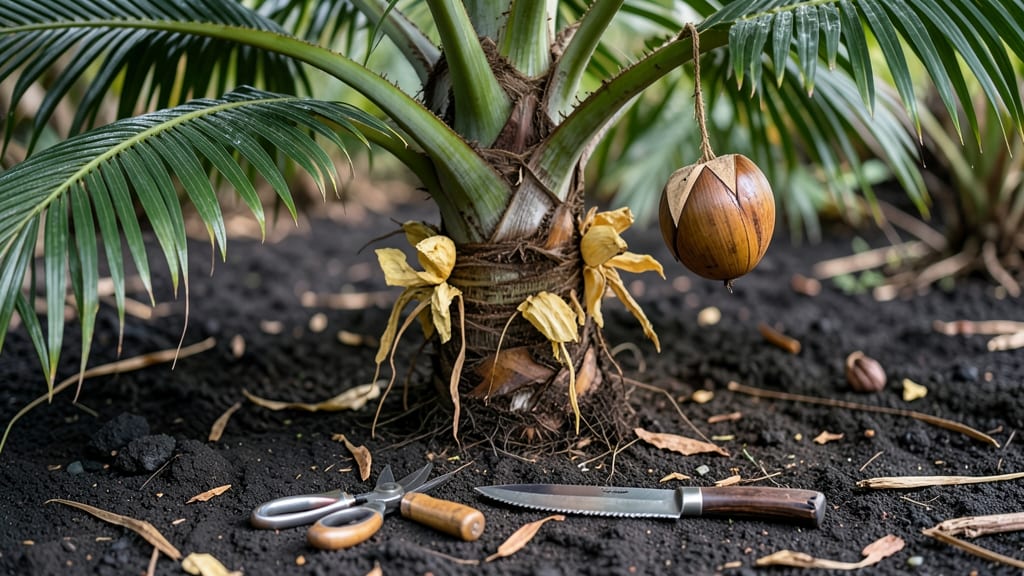
Coconuts are in season year-round in their native tropical coastal regions 🥥, but the timing of peak harvests—and when you’ll find the freshest, most flavorful nuts—varies wildly depending on where you are.
If you’ve ever dreamed of harvesting fresh coconuts straight from your own backyard—or even just buying them at peak flavor and price—timing is everything. But with coconut trees thriving in tropical climates year-round, when exactly is the best time to expect a harvest in your region?
The answer depends on your USDA zone: in Zones 10-12, where coconut palms grow best, harvests peak between late spring and early fall, with Florida and Hawaii seeing their best yields in summer months.
Meanwhile, home growers in these zones can expect their first coconuts after 3-5 years, but only if planted correctly.
Below, I’ll break down the exact months for peak harvests by region, how to spot fresh coconuts at the store, and the one trick that tells you when a coconut is truly ready to pick—no tree required.
Coconut harvest seasons by USDA hardiness zones (where you can grow them)
Coconut palms (Cocos nucifera) thrive exclusively in USDA hardiness zones 10-12, where frost is nonexistent and temperatures stay warm year-round. Unlike seasonal crops, these tropical giants produce fruit continuously, but harvest timing varies by zone and microclimate.
In zone 10, you’ll see peak production during late spring to early fall, while zones 11-12 enjoy year-round harvests with minor seasonal fluctuations.
The first harvest typically arrives 3-5 years after planting, but dwarf varieties like 'Nana' may fruit in as little as 2-3 years. Standard varieties reach full maturity at 5-10 years, yielding 50-100 coconuts annually under ideal conditions.
Microclimates near coastlines—with high humidity and consistent warmth—accelerate fruiting cycles compared to inland areas.
Here’s how harvest windows break down by zone, including key planting windows for home growers:
| USDA Zone | Peak Harvest Window | First Fruit (Years) | Planting Window | Microclimate Notes |
|---|---|---|---|---|
| Zone 10 | Late May–October | 3–5 years | Year-round (avoid summer heatwaves) | Inland areas may see delayed fruiting; coastal zones produce year-round. |
| Zone 11 | Year-round (peaks March–November) | 2–4 years (dwarf varieties) | Year-round (avoid monsoon seasons) | Higher humidity extends fruiting cycles; drought stress reduces yield. |
| Zone 12 | Year-round (no true "off-season") | 2–3 years (optimal conditions) | Year-round (avoid hurricane-prone months) | Salt tolerance varies; inland zones need extra irrigation. |
In zone 10, the driest months (November–February) may slow flowering, but consistent irrigation keeps production steady.
For zones 11-12, monsoon seasons (June–September) can cause temporary fruiting lulls due to excessive rainfall, while dry winters in zone 11 may reduce yield if not managed with deep watering.
If you’re planting in zone 10, aim for spring planting (March–May) to establish roots before summer heat. In zones 11-12, year-round planting is ideal, but avoid hurricane season (June–November) in coastal areas.
Dwarf varieties like 'Malayan Green' are best for containers and smaller yards, while standard varieties need 60+ feet of space and thrive in coastal microclimates.
For home growers, first harvests in zone 10 often arrive in year 4, with 50-75 coconuts if planted in well-draining, sandy soil.
In zone 11, expect 100+ coconuts annually by year 5, while zone 12 growers may see year-round production from year 3 onward. Wind exposure is critical—trees in protected inland zones may produce 20-30% fewer coconuts than coastal counterparts.
Microclimates matter more than latitude for coconut trees. A south-facing slope in zone 10 can extend the harvest window by 2-3 months compared to a north-facing yard. Similarly, elevated areas in zone 11 avoid flooding risks during monsoons, ensuring consistent fruiting.
Always plant near sandy, slightly acidic soil (pH 5.5–6.5) to mimic natural coastal conditions.
One common misconception is that coconuts are "always in season"—but quality and quantity vary by month. For example, Hawaii’s Kona coast sees peak harvests in September–October, while Florida’s Miami peaks in June–August.
If you’re buying coconuts, local markets in harvest months offer fresher, firmer nuts with thicker husks and higher water content.
To maximize your homegrown harvest, prune dead fronds annually (best in late winter) and fertilize every 6 weeks during growing months. Avoid nitrogen-heavy fertilizers,
How to predict coconut harvest timing without a tree (market & store guide)
Even if you don’t have a coconut palm in your backyard, you can still predict peak harvest seasons by understanding regional production cycles. Coconut trees produce fruit year-round in tropical climates, but specific regions experience harvest peaks that influence grocery store availability and pricing.
Knowing these patterns helps you buy fresher, cheaper coconuts and even plan your own potential future harvests.
Most coconuts sold in U.S. markets originate from Hawaii, Florida, and California, each with distinct seasonal rhythms. Hawaii’s year-round production dominates the market, but Florida’s peak runs from late spring to early fall, while California’s smaller industry peaks in summer months.
Imported coconuts from Southeast Asia and the Caribbean also flood markets during their respective harvest seasons, typically May through November.
Here’s how to spot peak coconut season in stores and markets, even without a tree:
- 🌿 Check husk color: Freshly harvested coconuts have golden-brown husks. Green husks indicate older stock or imports.
- 💰 Watch for price drops: Prices typically fall 10-20% during regional harvest peaks (May-Sept in U.S.).
- 📍 Ask about origin: Hawaiian coconuts peak in summer months, while Florida’s peak runs June-August.
- 🔊 Tap test: A hollow sound when tapped means mature, ready-to-harvest coconuts.
- 🌡️ Seasonal availability: Stores stock more coconuts in summer/fall due to higher demand for drinks and desserts.
Florida’s coconut industry, primarily in Miami-Dade and Broward counties, produces about 10,000 tons annually, with harvests peaking in July and August when temperatures hit 85°F+.
These coconuts often appear in local markets and grocery chains like Publix and Whole Foods during this window. Look for Florida-grown labels—they’ll be fresher than imports.
California’s smaller but high-quality coconut production centers around San Diego and Ventura counties, with harvests concentrated in June through September. These coconuts tend to be pricier due to limited supply but offer excellent flavor.
Check farmers' markets in coastal cities during these months for the freshest picks. Prices may spike 20-30% during this period due to limited regional supply.
For the best deals and freshest coconuts, visit markets in May through October. Stock up during July and August when regional harvests overlap, and prices drop while quality peaks.
Even if you’re not growing your own tree, understanding these patterns lets you enjoy peak-season coconuts at their best—whether for drinking, cooking, or crafting! 🥥