
Landscaping
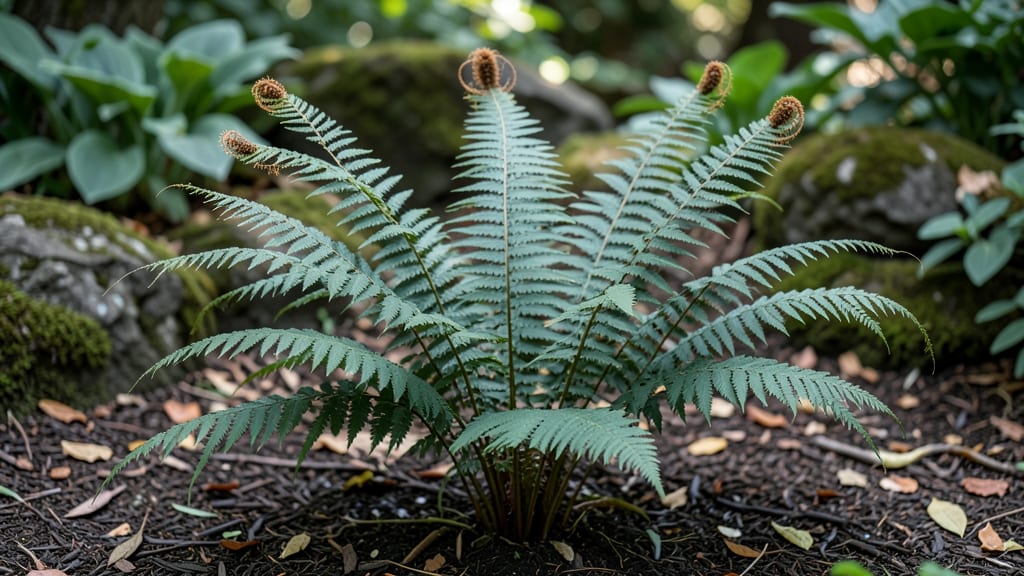
Fern season unfolds in spring and early fall—when their delicate fronds burst forth with the most vibrant growth 🌿.
If you’ve ever admired the feathery beauty of ferns but struggled to pinpoint the best time to plant or care for them, you’re not alone.
These moisture-loving plants thrive when temperatures rise in April and May, then again in September and October, offering two prime windows for lush, healthy foliage.
But timing isn’t one-size-fits-all. Coastal climates may see ferns flourish earlier, while inland or colder regions like USDA Zone 6a might need to wait until after the last frost—usually mid-April. Knowing these regional cues can mean the difference between a thriving garden and a fight to keep your ferns alive.
Below, I’ll break down the ideal months by climate, how to spot when ferns are in peak season, and simple tricks to extend their beauty year-round—no green thumb required.
Fern season by region: peak growth months for US and global climates
Ferns thrive in specific seasonal windows that vary dramatically by climate zone. In temperate regions like the USDA Zones 5-9, their peak growth typically occurs in spring and early fall, while tropical climates offer year-round opportunities with careful management.
Understanding these regional patterns ensures you plant, prune, and maintain ferns at the optimal times for maximum lushness.
For gardeners in the United States, fern season aligns closely with spring rainfall and fall humidity. In Mediterranean climates like Southern California, ferns may enter dormancy in summer but rebound dramatically with winter rains.
Meanwhile, tropical regions like Hawaii or Florida allow for continuous growth with consistent moisture.
Below is a detailed breakdown of fern seasons by region, including ideal planting windows, maintenance tips, and how to recognize peak growth stages. Whether you're in Zone 6 or a UK garden, this guide will help you time your fern care perfectly.
| Region | Peak Growth Months | Ideal Planting Window | Key Maintenance Tasks | Notes |
|---|---|---|---|---|
| USDA Zones 3-5 (Cold Temperate) | May-July, September-October | April-May, September | Fertilize in spring, mulch heavily, prune dead fronds | Hardy varieties like Matteuccia struthiopteris thrive |
| USDA Zones 6-9 (Temperate) | April-June, August-October | March-April, September | Divide clumps in spring, water deeply weekly | Best for Dryopteris and Polystichum species |
| USDA Zone 10+ (Mediterranean) | November-March, September-October | October-November, February | Shade cloth in summer, increase water in dry months | Ideal for Nephrolepis exaltata (Boston fern) |
| UK (Temperate Oceanic) | April-July, September-November | March-April, September | Add leaf mold to soil, protect from frost | Popular: Asplenium nidus (Bird's nest fern) |
| Australia (Subtropical/Tropical) | Year-round (varies by region) | Spring (Sept-Nov) or Autumn (Mar-May)
How to extend fern season: tips for year-round lush frondsFerns are nature’s living sculptures, but their peak growth seasons can feel frustratingly short. While most ferns thrive in spring and summer, with proper care, you can coax them into year-round lushness. The secret lies in understanding their natural dormancy patterns and adapting your gardening routine to keep them happy in every season. One of the biggest mistakes gardeners make is assuming ferns need constant outdoor conditions. In reality, many varieties—like Boston ferns and maidenhair ferns—can transition smoothly between indoor and outdoor spaces. With the right light adjustments, watering techniques, and container hacks, you can enjoy their feathery beauty well beyond their natural spring-to-fall window. 1
Spring Transition (March-May): Move potted ferns outdoors gradually, starting with morning sun exposure to harden them. Use shade cloth if temps exceed 75°F to prevent frond scorch.
2
Summer Maintenance (June-August): Increase watering frequency to every 2-3 days and use mulch to retain moisture. Prune brown fronds immediately to encourage new growth.
3
Fall Prep (September-November): Gradually reduce sunlight exposure and fertilizer use. Move container ferns to protected patios or indoors near east-facing windows.
4
Winter Care (December-February): Keep ferns in bright indirect light (600-1000 lumens) and water bi-weekly. Avoid heat sources like vents that cause dry air stress.
For indoor fern keeping, choose varieties like Asplenium nidus (bird’s nest fern) or Nephrolepis exaltata (Boston fern), which adapt well to humidity-controlled environments. Place them in kitchens or bathrooms where moisture levels stay high—aim for 50-70% humidity using a pebble tray or humidifier. Container gardening is your best friend for extending fern season. Use glazed ceramic pots to retain moisture and add orchid bark to potting mix for better aeration. When transitioning ferns outdoors in spring, place them in dappled shade for the first week to avoid sunburn shock. A slow acclimation of 2-3 hours daily prevents stress. Don’t forget that fertilizer timing is crucial. In spring and summer, feed with a balanced 10-10-10 fertilizer every 4-6 weeks, but skip fertilizing in fall and winter. Over-fertilizing in cooler months leads to salt buildup in soil, which damages roots. Instead, focus on organic matter like composted leaves to nourish your ferns naturally. With these strategies, your ferns can stay vibrant year-round, proving that seasonal limitations are just myths waiting to be debunked. Start small—try transitioning one potted fern indoors this winter—and watch how easy it is to defy the seasons with a little extra care. 🌿 |