
Picking
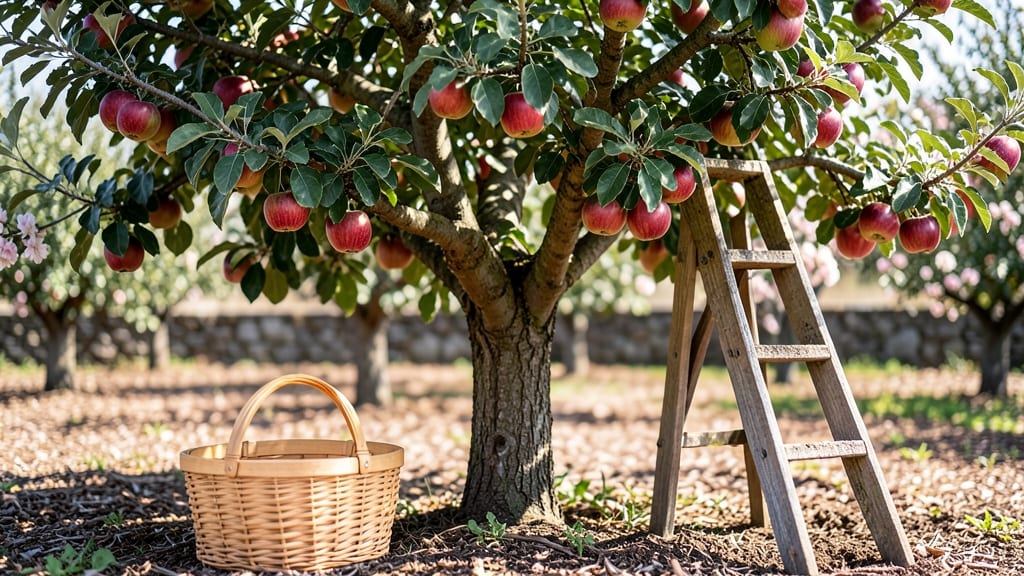
Fuji apples are in season from late summer through early fall, with peak harvests arriving in September and October in temperate climates like the U.S. and Europe.
If you’re craving sweet, crisp Fuji apples but don’t know when to find them at their peak, timing is everything—miss the season, and you’ll settle for store-bought apples that lack the same vibrant flavor.
These 🍎 varieties thrive in zones 5-8, where cooler nights and warm days create their signature balance of sugar and tartness. Whether you’re growing your own or hunting for the freshest market picks, knowing the right window makes all the difference.
Below, I’ll break down the exact months by region, how to spot perfectly ripe fruit, and even how to stretch your harvest with smart storage tricks.
Fuji apple season timeline: months by U.s. growing regions
Fuji apples are a beloved late-season variety prized for their sweet-tart flavor and crisp texture. But their harvest timing varies dramatically across U.S. regions due to climate differences.
Whether you're in chilly Washington or sunny California, knowing when to pick—or where to find—Fuji apples ensures you enjoy them at their peak.
Cooler northern regions like the Pacific Northwest and Northeast typically harvest Fuji apples 1-2 weeks earlier than warmer southern areas. Meanwhile, California's Mediterranean climate often extends the season into late October. Understanding these regional shifts helps you plan visits to local orchards or farmers' markets for the freshest fruit.
| Region | Early Varieties (Harvest) | Peak Season (Harvest) | Late Varieties (Harvest) | Climate Impact |
|---|---|---|---|---|
| Pacific Northwest (WA, OR) | Late August | Mid-September | Early October | Cooler nights delay ripening |
| Mid-Atlantic (PA, NY, NJ) | Early September | Late September | Mid-October | Variable frost dates affect late harvests |
| Northeast (ME, VT, MA) | Mid-August | Early September | Late September | Early frosts limit late-season fruit |
| California (Central Valley) | Late September | October | Early November | Warmer climate extends ripening |
In the Pacific Northwest, Fuji apples begin ripening as early as late August, with peak harvests in mid-September. The cooler climate means early frosts can cut the season short, so local orchards often prioritize early varieties like 'Fuji Supreme' for faster maturation.
If you're visiting Washington State orchards, plan your trip around late August to early September for the first sweet bites.
For Mid-Atlantic gardeners, Fuji apples shine from early to mid-September, with some late varieties lasting into mid-October. Regions like Pennsylvania and New Jersey benefit from moderate temperatures that balance ripening and frost risk.
Check local agricultural calendars—some years, early frosts in October may reduce availability, so act fast when you spot them at roadside stands.
The Northeast, including Maine and Vermont, has the earliest Fuji apple season, with harvests kicking off in mid-August. However, the short growing season means peak flavor arrives quickly in early September.
If you're growing your own Fuji tree, choose dwarf varieties to protect fruit from late-season frosts that can damage blossoms or immature fruit.
California stands out with its extended Fuji apple season, thanks to its Mediterranean climate. Harvests begin as late as September and can stretch into early November, making it the best place to find Fuji apples in fall and early winter.
The Central Valley produces the majority of U.S. Fuji apples, so if you're craving them in October or November, head to California orchards or stock up on long-storage varieties.
Climate plays a huge role in ripening times. Cooler regions like the Pacific Northwest and Northeast rely on longer daylight hours in summer to mature fruit, while warmer southern climates benefit from slower, steadier ripening.
Even within a region, microclimates can shift harvest windows by 1-2 weeks, so always call ahead to local orchards for updates.
Pro tip: If you miss the <
How to identify perfectly ripe Fuji apples at farmers markets
Fuji apples are prized for their sweet-tart flavor and crisp texture, but picking the perfect one at a farmers market requires knowing what to look for. Unlike grocery store apples, freshly harvested Fuji apples offer a superior taste and juicy bite that’s hard to beat.
The key lies in understanding visual cues and tactile tests that reveal peak ripeness without cutting into the fruit.
Start by examining the skin color, which is one of the most reliable indicators. A perfectly ripe Fuji apple will have a deep red or crimson hue with minimal green. The color should be even and vibrant, not patchy or dull.
If you notice yellow undertones, that’s also a good sign—it means the apple has fully ripened in the sun. Avoid apples with green patches, as they’re likely underripe and will lack sweetness.
- 🍎 Skin Color: Deep red/yellow with no green patches
- 🤲 Stem Test: Stem separates cleanly with a slight twist
- 👆 Texture: Firm yet yields slightly under gentle thumb pressure
- 🌿 Aroma: Sweet, floral scent near the blossom end
- 💧 Weight: Feels heavy for its size (indicates juiciness)
Next, perform the stem test, which is a foolproof way to gauge ripeness. Gently grasp the stem between your thumb and forefinger and twist it slightly. If the stem snaps cleanly with a slight crack, the apple is ripe and ready to eat.
If it pulls away with resistance, the apple is still firm and needs more time on the tree. This test works because a ripe Fuji apple’s cell structure changes, making the stem easier to separate.
Don’t overlook the aroma test, which can reveal hidden sweetness. Hold the apple near your nose and take a deep sniff at the blossom end (the side where the stem meets the fruit).
A ripe Fuji apple will emit a sweet, floral fragrance, almost like a cross between honey and roses. If the apple smells neutral or sour, it’s likely underripe. This scent is a direct result of the apple’s natural sugars developing fully during ripening.
For a non-destructive sweetness test, gently press the apple near the blossom end with your thumb. A ripe Fuji apple should feel firm but slightly yielding, almost like a ripe avocado.
If it feels hard and unyielding, it’s underripe, while an apple that feels mushy or overly soft may be overripe. This test helps you avoid apples that are too tart or mealy, ensuring you pick one with the perfect balance of crispness and sweetness.
Once you’ve selected your perfect Fuji apples, extend their freshness with proper storage techniques. Store them in a cool, dark place like a basement or refrigerator, where they’ll keep for 4-6 weeks. Avoid storing them near ethylene-producing fruits like bananas or apples, as this gas speeds up ripening.
For long-term storage, consider cold storage in a root cellar or specialized apple storage box, which can preserve them for up to 6 months while maintaining their flavor and texture.