
Blooming
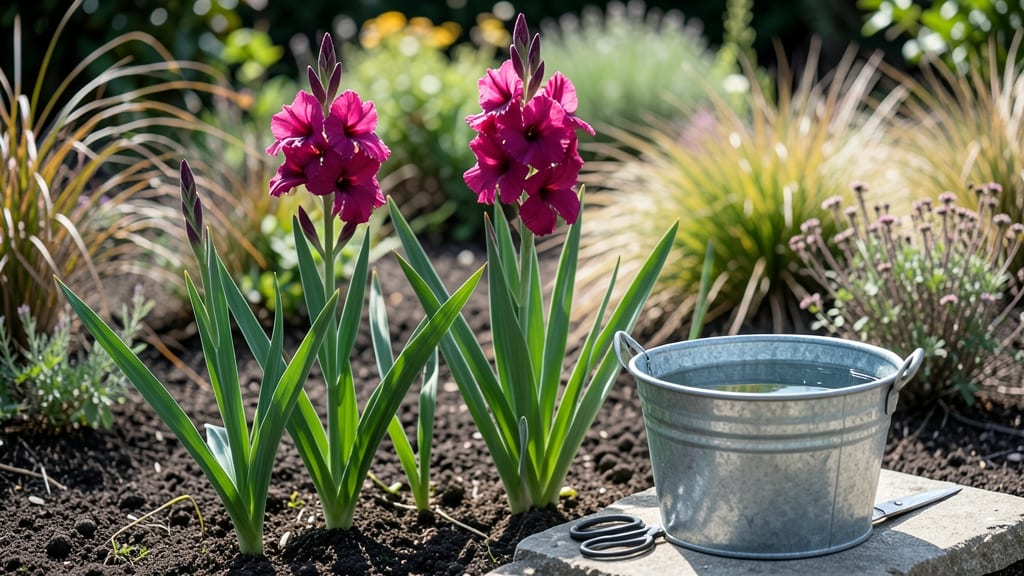
Gladiolus bloom in season from late summer through early fall 🌸 — a stunning display that transforms any garden into a showstopper.
If you’ve ever wondered why your gladiolus bulbs aren’t blooming—or when to plant them for the most dramatic summer displays—timing is everything. These tall, vibrant flowers thrive in specific seasons, and missing their peak can mean fewer (or no!) bold spikes of color in your garden.
In USDA Zone 6, where spring arrives by mid-April, the ideal planting window is April to May, ensuring blooms from July through September. But regional differences matter: Southern gardeners enjoy earlier blooms, while Northern zones may push planting to late May for frost safety.
Below, I’ll break down the exact months for planting and blooming by zone, plus pro tips to extend their season—so you can enjoy these eye-catching flowers for weeks longer.
Gladiolus season by USDA Zone: month-by-month bloom guide
Gladiolus are summer's showstopping stars, but their bloom timing varies dramatically depending on your USDA zone. In warmer climates like Zone 9-11, they may bloom as early as March, while gardeners in Zone 3-5 might wait until July or August for their dramatic spikes of color.
Understanding these regional differences helps you plan for peak blooms and avoid disappointment when your corms fail to produce flowers.
Timing isn't just about the zone—it's also about planting strategy. Most gardeners plant gladiolus corms in spring (after frost) for summer blooms, but some staggered planting can extend your season.
For example, planting early varieties in March and late varieties in June can give you continuous blooms from summer through early fall. Let's break down the exact months for each zone to help you maximize your gladiolus season.
Pro Tip: Gladiolus thrive in full sun and well-drained soil. If your zone has hot summers, mulch around the base to retain moisture and prevent corm rot. In cooler zones, consider black plastic mulch to warm the soil and encourage earlier blooming.
| USDA Zone | Early Bloom | Peak Bloom | Late Bloom | Planting Time |
|---|---|---|---|---|
| 3-5 | July | August | September | April-May |
| 6-7 | June | July-August | September | March-April |
| 8-9 | May | June-July | August | February-March |
| 10-11 | March | April-May | June | January-February |
*Bloom times are approximate and can vary by variety and microclimate.
In USDA Zones 3-5, the coolest climates, gladiolus typically bloom from July through September. This later season aligns with the shorter growing season, so gardeners here often focus on late-summer color.
If you're in Zone 4 or 5, consider planting early-maturing varieties like 'Green Star' or 'White Prosperity' to ensure blooms before frost hits.
Gardeners in Zones 6-7 enjoy the longest bloom window, with flowers appearing as early as June and lasting through September. This makes gladiolus a reliable summer staple.
For continuous blooms, plant three successive batches—one in March, one in April, and one in May—to stagger the flowering timeline and keep your garden vibrant.
Warmer zones like 8-9 experience earlier and longer blooms, often from May through August. Here, gladiolus can even rebloom if given proper care after the first flush of flowers.
In Zone 9, you might even see winter blooms if planted in fall for a holiday display. Use well-draining soil to prevent rot in these humid climates.
For Zones 10-11, gladiolus are year-round possibilities. Plant in January-February for spring blooms, or try fall planting for winter color. The mild winters in these zones allow for extended growing seasons, but always protect corms from frost with mulch or containers.
Varieties like 'Picasso' and 'Black Pearl' thrive here and produce bold, dramatic blooms.
Regional variations also play a role. For example, coastal areas in Zone 9 may have cooler microclimates that delay blooming, while inland desert zones can push blooms earlier due to heat.
Pay attention to your local frost dates and soil temperature—gladiolus corms need soil temps above 60°F to sprout consistently.
To extend your gladiolus season, try container gardening. Move pots indoors or to a sunroom in fall to preserve blooms longer. You can also cut back spent spikes and fertilize lightly to encourage secondary blooms in some varieties.
Just remember: gladiolus are not perennial in cold zones—dig up and store corms
How to extend gladiolus season: planting and care tips for year-round color
Gladiolus bulbs naturally bloom in summer and early fall, but with the right strategies, you can stretch their season to nearly year-round. The key lies in staggered planting, soil preparation, and smart post-bloom care.
By following these techniques, even short-season gardeners can enjoy glads from late spring through frost—or even next year!
Your first step is understanding that gladiolus thrive in warm soil temperatures (60°F+). In cooler climates, start with early-season varieties planted 4-6 weeks before your last frost date. For extended blooms, plant successive batches every 2-3 weeks until midsummer. This ensures a continuous display of those dramatic spike-shaped blooms.
🌱 5 Pro Tips to Extend Your Gladiolus Season
- 📅 Plant in stages: Start first batch 4-6 weeks before last frost, then repeat every 2 weeks for 6-8 weeks of blooms.
- ☀️ Choose sun-loving spots: Full sun (6+ hours) is non-negotiable—partial shade delays blooming and weakens stems.
- 🌱 Prepare soil deeply: Amend with compost and sand to improve drainage (glads hate soggy roots!).
- ✂️ Deadhead strategically: Remove spent blooms to redirect energy to new flower spikes—but leave lower leaves for photosynthesis.
- 🌡️ Protect from frost: In Zone 7+, mulch heavily in fall or dig up corms before frost and store in cool, dry sand.
For reblooming gladiolus, focus on post-bloom care after the first flush of flowers fades. Cut back the flower stalks but leave the lower leaves intact—they’re the plant’s energy source for next year’s blooms.
Feed with a balanced fertilizer (10-10-10) every 4-6 weeks during the growing season to encourage stronger regrowth.
In warmer climates (Zones 8-11), gladiolus can bloom nearly year-round with minimal effort. Plant fall varieties in late summer for winter blooms, and protect them from heavy rains that can cause rot.
Use raised beds or containers for better drainage if your soil is clay-heavy—a common issue in humid regions.
Don’t forget about container gardening to extend your season! Grow glads in large pots (12"+ deep) filled with well-draining mix. Move containers to sunny spots in spring/summer, then shelter them during winter if frost threatens. This lets you control the environment and avoid soil-borne diseases that plague in-ground plantings.
With these techniques, you’ll transform gladiolus from a single-season spectacle into a year-round garden star. The secret? Timing, soil, and a little extra care—just like any great garden masterpiece. Start small with one staggered planting this year, and watch your blooms multiply next season! 🌸