
Orchid Care
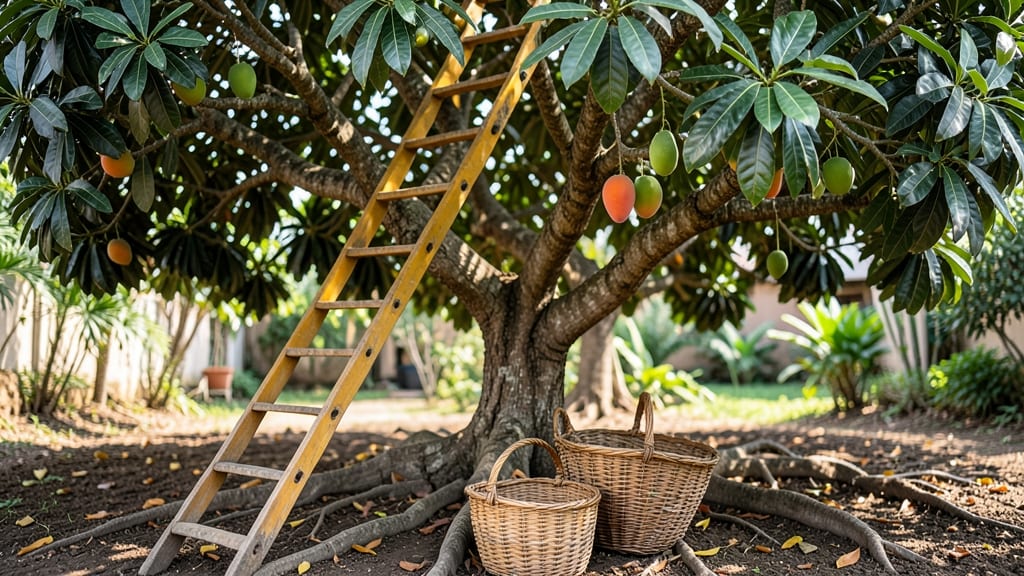
Understanding mango seasonality helps you snag the juiciest, most flavorful fruit at the market.
The early spring harvest in Florida and California (starting March-April) focuses on varieties like Tommy Atkins, which ripen quickly but may lack the same depth of flavor as later-season types. 🌱 Meanwhile, Texas and Hawaii's warmer climates allow for extended harvests, with Ataulfo and Kent mangoes often appearing in late summer and fall.
The key is knowing which varieties thrive in your region—Florida's early blooms mean you'll see more Tommy Atkins in grocery stores first, while California's summer heat produces sweeter Honey and Keitt varieties.
For home ripening, select mangoes that feel firm but give slightly when pressed near the stem. Place them at room temperature with a banana or apple to speed up the process—ethylene gas from these fruits triggers ripening.
Avoid refrigerating until fully ripe, as cold temperatures can dull the flavor. If you prefer convenience, look for pre-ripened mangoes at specialty markets, where vendors often test batches for perfect sweetness before display.
💡 In This Article
- US Mango Season by Region: Harvest Timelines and Climate Factors
- How to Pick and Ripen Store-Bought Mangoes for Peak Flavor
US mango season by region: harvest timelines and climate factors
Florida’s mango season kicks off earliest, typically from March to June, thanks to its subtropical climate and early spring blooms. The state’s warm winters allow trees to flower as soon as temperatures stabilize above 60°F, producing varieties like Tommy Atkins and Haden.
These early-season fruits often have a firmer texture and slightly tart flavor, as they ripen quickly to avoid summer heat stress. 🌿 Meanwhile, California’s summer heat (85-95°F) creates ideal conditions for sweeter varieties like Honey and Keitt, which peak from June to August—their extended growing season benefits from the state’s Mediterranean climate.
Texas extends the harvest into late summer and early fall (August-October), thanks to its long, hot growing season and varieties like the tropical Ataulfo, which thrives in the region’s humidity.
Hawaii’s year-round tropical climate means mangoes are available almost any time, but peak production aligns with May to September, mirroring mainland seasons. The key difference? Hawaii’s volcanic soil and trade winds produce fruit with a more delicate, almost floral aroma compared to mainland varieties. 🌺
Rainfall patterns also play a critical role—too much water before harvest can dilute flavor, while drought stress concentrates sugars. For example, California’s summer dry spells help sweeten Keitt mangoes, while Florida’s occasional tropical storms can reduce yields but often result in juicier fruit.
These climate factors explain why grocery stores stock Tommy Atkins first in spring (hardy, long-lasting) before transitioning to Ataulfo in summer (softer, creamier).
Variety selection matters just as much as timing. Tommy Atkins dominates early-season markets due to its thick skin and resistance to bruising during transport, while Ataulfo’s thin skin and delicate flesh make it a late-season favorite.
The ripening process varies by type**: Tommy Atkins softens uniformly, while Ataulfo develops a velvety texture with a hint of citrus. Understanding these differences helps you choose the right mango for your needs—whether you want a sturdy fruit for travel or a meltingly sweet dessert variety. 🍈
For home gardeners, these regional patterns offer clues about what to plant. Florida’s early bloomers thrive with cold-hardy rootstocks, while California’s summer varieties benefit from afternoon shade to prevent sunburn. Texas growers often use windbreaks to protect delicate Ataulfo trees from storms.
Even if you’re not growing your own, recognizing these climate-driven patterns helps you predict which varieties will appear in stores—and when to expect them at their peak. 🌡️