
Picking
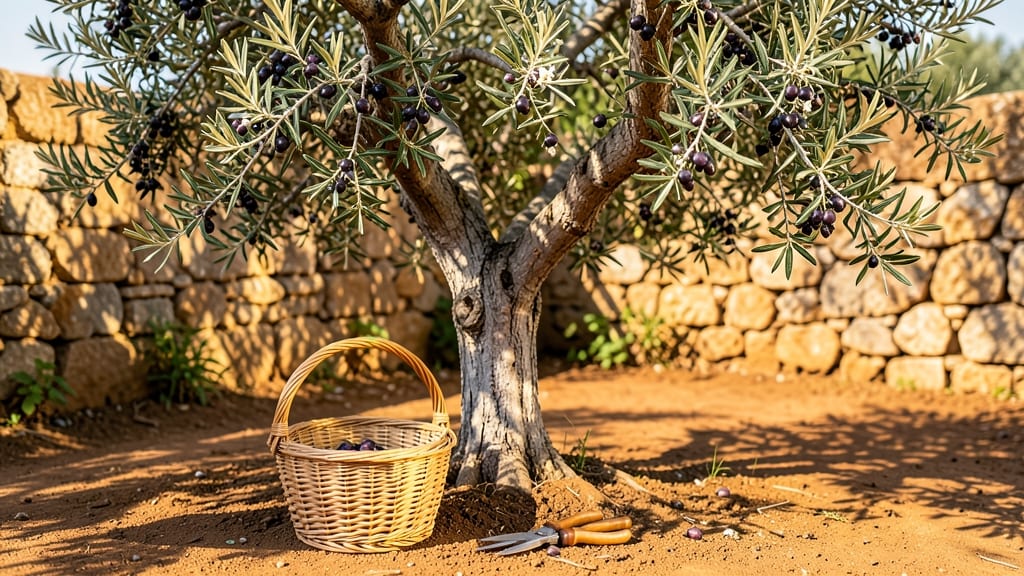
Olives in season arrive between October and December 🫒 — the peak harvest window when flavor and texture hit their sweet spot.
Picture this: you’re about to pick fresh olives straight from your tree, but the fruit tastes bitter instead of briny. That’s what happens when you miss the window—or worse, harvest too late.
The difference between rich, complex olive oil and a soapy mess comes down to timing, and your USDA zone plays a huge role.
In Zones 8–10 (where olives thrive), harvests start as early as September in coastal areas like California, while inland regions may wait until late November. Mediterranean climates? They’re even more precise, with varieties like 'Arbequina' ripening earlier than 'Mission' olives.
Get the timing wrong, and you’ll end up with olives that are either underripe and harsh or overripe and mushy.
Below, I’ll break down the exact months for your zone, how to test ripeness like a pro, and what to do if frost sneaks in before you’re ready. No more guesswork—just perfectly timed olives every season.
Olive harvest seasons by USDA plant hardiness Zones
If you're dreaming of fresh olives straight from your tree—or planning your homemade olive oil harvest—timing is everything. Olives ripen between October and January, but the exact window depends on your USDA zone and regional climate.
In Zone 8, early frosts can rush the harvest, while Zone 11 may stretch it into late winter. Even within California, coastal areas like Santa Barbara harvest earlier than inland San Joaquin Valley orchards.
Mediterranean climates—where olives originated—offer the most predictable schedules, but Florida’s subtropical Zone 9b and Southern California’s Zone 10a create unique variations. For example, 'Manzanillo' olives in Zone 9 may ripen by November**, while 'Mission' olives in Zone 10 often peak in December-January.
Missing this window means bitter, underripe fruit—or worse, overripe olives with a soapy flavor.
Here’s how your USDA zone and local climate shape your olive harvest season, including regional quirks like California’s coastal fog delays or Florida’s humidity challenges.
In Zone 8, where early frosts are a risk, olives often ripen by November—especially for early-bearing varieties like 'Manzanillo'. I’ve seen orchards in Central California rush to harvest by late October to avoid frost damage.
Meanwhile, coastal Zone 8 areas like Santa Cruz may delay until early November due to milder temperatures.
Moving to Zone 9, the harvest stretches into December, giving you more flexibility. Florida’s subtropical climate can be tricky—humidity slows ripening, so dwarf varieties like 'Arbequina' are popular for their faster maturation. In Southern California, 'Frantoio' olives often peak in December, but inland orchards may harvest earlier.
Zone 10 gardeners enjoy the latest harvests, with 'Mission' olives ripening in December-January. The coastal fog near San Diego can delay ripening by 1–2 weeks compared to inland areas. For olive oil production, this extended window lets you time your press for peak flavor—just avoid waiting too long, or you’ll risk overripe, soapy-tasting olives.
If you’re in Zone 11, you’re in a rare category—olives here can ripen as late as February. Varieties like 'Nocellara' thrive in Hawaii or tropical Florida, but the long growing season demands regular pruning to manage fruit load.
Without pruning, trees may produce too many olives, leading to smaller, underripe fruit.
Pro tip: Track your olives’ color shift from green to purple/black—this is your best indicator of ripeness. In Zone 8, I start checking in late September, while in Zone 11, I wait until December. Pair this with a gentle squeeze test: ripe olives should yield slightly but
How to determine your olives’ perfect picking time
Timing your olive harvest correctly is everything—miss the window, and you’ll end up with either bitter, underripe fruit or overripe olives that taste soapy. The key lies in watching for three critical indicators: color changes, flesh firmness, and environmental cues like temperature shifts.
These signals work together to tell you when your olives are ready to pick for table olives or olive oil production.
Most olive varieties transition from bright green to deep purple or black as they ripen, but the exact shade depends on the cultivar. For example, 'Manzanillo' olives darken to a rich purple, while 'Mission' varieties turn almost black.
Don’t wait for every olive to change color—some may stay green longer, but the majority should show these maturity signs.
- 🫒 Color Shift: 70-90% of olives turn deep purple/black (varies by variety)
- 🤲 Flesh Firmness: Skin yields slightly when pressed (not mushy)
- 🌡️ Temperature Cues: Nighttime temps drop to 50-60°F (signals ripeness)
- 🌿 Natural Drop: Some olives begin falling on their own
- 📏 Size Check: Olives reach 1-1.5 inches in diameter (standard size)
Olive flesh firmness is a non-negotiable indicator. When ripe, the skin should feel slightly soft but not mushy—think of a ripe avocado’s texture. Press a few olives gently; if they dent easily, they’re past their prime.
For olive oil production, aim for this stage, while table olives can be picked slightly earlier (when still firm) for better texture after curing.
Temperature plays a surprising role in olive ripening. As daytime highs begin to drop below 80°F and nighttime lows dip into the 50s°F, olives signal readiness by slowing their growth.
This shift often coincides with October or November in most USDA Zones 8-10. In Zone 11, where winters are mild, olives may continue ripening into December or January.
Moisture content is another subtle clue—ripe olives feel heavier for their size due to increased oil content. If you’re unsure, crack one open: the pit should feel fully formed with no hollow center.
This confirms the olive has reached its peak flavor and oil potential. Ignore this cue, and you risk harvesting olives that lack the rich, buttery notes you crave in homemade oil.
Pro tip: Harvest on a cool, overcast morning to preserve olive quality. Use a pruning saw or harvesting rake to avoid damaging branches, and spread a tarp beneath the tree to make cleanup easier.
Once picked, process your olives within 24 hours to prevent spoilage—this is especially critical if you’re curing them for table use.