
Vegetables
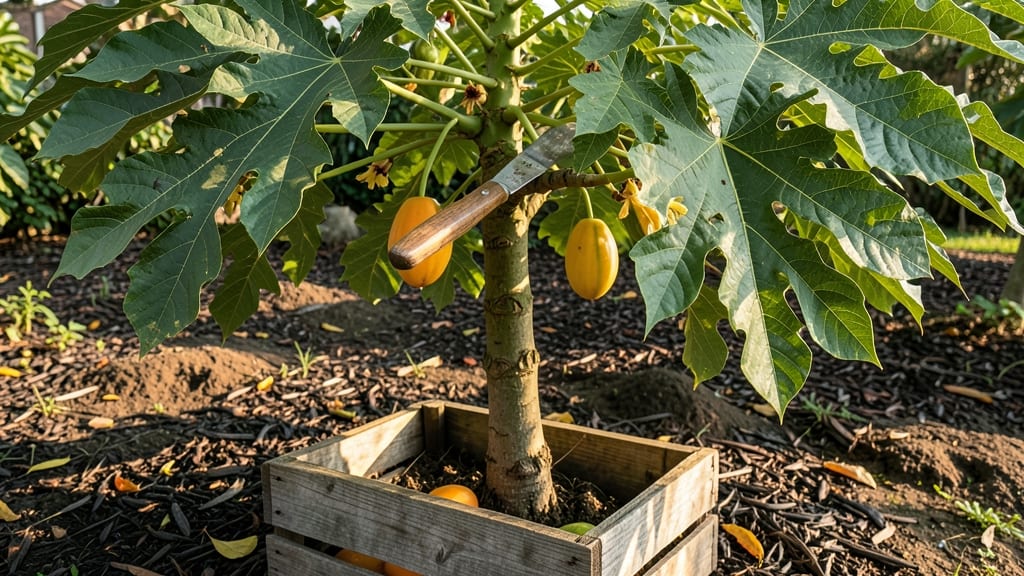
Papayas ripen in season around year-round in tropical regions but follow distinct peak months in cooler climates where they thrive—like Florida’s spring and summer or California’s fall harvests.
Wondering when to find the juiciest, sweetest papayas at your local market? Timing is everything—planting, harvesting, and enjoying these tropical fruits depends entirely on your region’s climate. Miss the peak season, and you might end up with bland, underripe fruit that never reaches its full flavor potential.
In USDA zones 10-12, papayas 🍈 grow continuously, but even there, spring through fall delivers the most abundant harvests. Meanwhile, gardeners in temperate zones must plan carefully, often relying on greenhouse growing or fast-maturing varieties to extend their season.
Below, I break down the exact months for peak ripeness by region, plus tips for sourcing fresh papayas—whether you’re shopping at the market or growing your own. You’ll learn how to spot perfectly ripe fruit, avoid common mistakes, and even troubleshoot if your harvest arrives early or late.
Papaya season by U.s. region: exact months for peak ripeness
Papayas thrive in warm climates, but their seasonal availability varies dramatically across the U.S. In tropical regions like Hawaii and Florida, you’ll find ripe papayas year-round, while California and Texas have shorter but intense harvest windows.
Understanding these regional differences helps you plan when to plant, harvest, or buy the sweetest fruit at peak ripeness.
Commercial growers in warmer zones often flood markets with papayas from late spring through fall, but home gardeners can extend harvests by choosing fast-maturing varieties.
The key to enjoying papayas at their best? Knowing your region’s frost-free window and ideal planting months—because a papaya tree won’t tolerate cold, even briefly.
🌱 Key Takeaway: Papayas need 6-12 months to bear fruit, so timing your planting is critical. Miss the window, and you’ll be stuck with store-bought fruit that’s often picked green and shipped in.
| Region | Peak Harvest Months | Climate Notes | Commercial Availability | Homegrown Tips |
|---|---|---|---|---|
| Hawaii | Year-round (peaks May-Oct) | Tropical, no frost; ideal for 'SunUp' variety | Year-round in stores; best quality May-Oct | Plant anytime; harvest in 8-12 months |
| Florida (South) | March-October | Subtropical; frost rare but possible in north | Peak June-August; limited winter supply | Start seeds indoors Feb-March; protect from cold snaps |
| California (South) | June-September | Desert climates; needs irrigation | Limited supply; mostly imported | Grow in containers; harvest 'Solo' variety in 10 months |
| Texas (South) | April-September | Humid subtropical; watch for fungal diseases | Peak July-August; rare outside season | Plant after last frost; use 'Red Maradol' for faster harvests |
In Hawaii, papayas are a year-round staple, with commercial growers supplying markets continuously. The 'SunUp' variety dominates local farms, offering sweet, orange-fleshed fruit that’s perfect for smoothies or fresh eating.
If you’re visiting or living in Hawaii, you’ll find the best quality from May through October, when temperatures peak and fruit ripens fastest.
Florida’s subtropical climate extends the papaya season from March to October, but northern parts of the state may experience brief cold snaps. For home gardeners, starting seeds indoors in February ensures you’ll have fruit ready by summer.
Look for 'Tainong No. 1', a popular variety that thrives in Florida’s heat and humidity.
California’s desert regions, like the Coachella Valley, produce papayas from June to September, but supplies are limited due to water restrictions. Most papayas sold in California during winter come from Mexico
How to extend your papaya harvest: growing tips for off-season success
If you live in a cooler climate and miss the sweet, vibrant taste of papayas, don't despair! With the right strategies, you can enjoy fresh papayas year-round. The key lies in selecting fast-maturing varieties, using containers, and creating a controlled environment.
I've successfully grown SunUp and Maradol varieties indoors, and the results are worth the effort.
Papayas thrive in USDA Zones 10-12, but with greenhouse cultivation or container growing, you can push their limits. Even in Zone 8 or 9, you can extend the season by 4-6 months.
The secret is mimicking their tropical habitat—warmth, humidity, and plenty of sunlight. Let's dive into the specifics to help you grow papayas even when it's chilly outside.
- 1 Choose fast-maturing varieties: Opt for 'SunUp' (6-8 months) or 'Maradol' (7-9 months) for quicker harvests.
- 2 Use large containers: 5-gallon pots with drainage holes work well for single plants.
- 3 Maintain 70-85°F soil temps: Use a heat mat or grow lights to keep roots warm.
- 4 Ensure 6+ hours sunlight: Supplement with grow lights if natural light is insufficient.
- 5 Hand-pollinate flowers: Use a small brush to transfer pollen between flowers for fruit set.
For container growing, select a well-draining potting mix with added perlite to prevent root rot. I recommend a blend of coconut coir, peat moss, and compost. The pH should stay between 5.5-6.5—test your soil regularly and amend with sulfur if needed.
A slow-release fertilizer like 10-10-10 applied every 6 weeks keeps your papaya plant thriving.
Greenhouse cultivation offers even more control. My greenhouse stays at 75-85°F year-round, and I use a ventilation fan to circulate air and prevent humidity buildup. During winter, I supplement with LED grow lights for 12-14 hours daily. This setup lets me harvest papayas even when outdoor temperatures drop below freezing.
Pollination is often the biggest challenge indoors. Papaya flowers are perfectly self-fertile, but they need help transferring pollen. I use a soft paintbrush to gently move pollen from the male flowers (long stamens) to the female flowers (small bulb at the base).
Do this in the morning when flowers are fresh for the best results.
With these techniques, I've successfully harvested papayas in Zone 7b during winter months. The key is patience—off-season papayas may take 10-12 months to mature compared to 6-8 months in ideal conditions. But the reward of biting into a homegrown, vine-ripened papaya in January is unmatched! 🍈