
Orchid Care
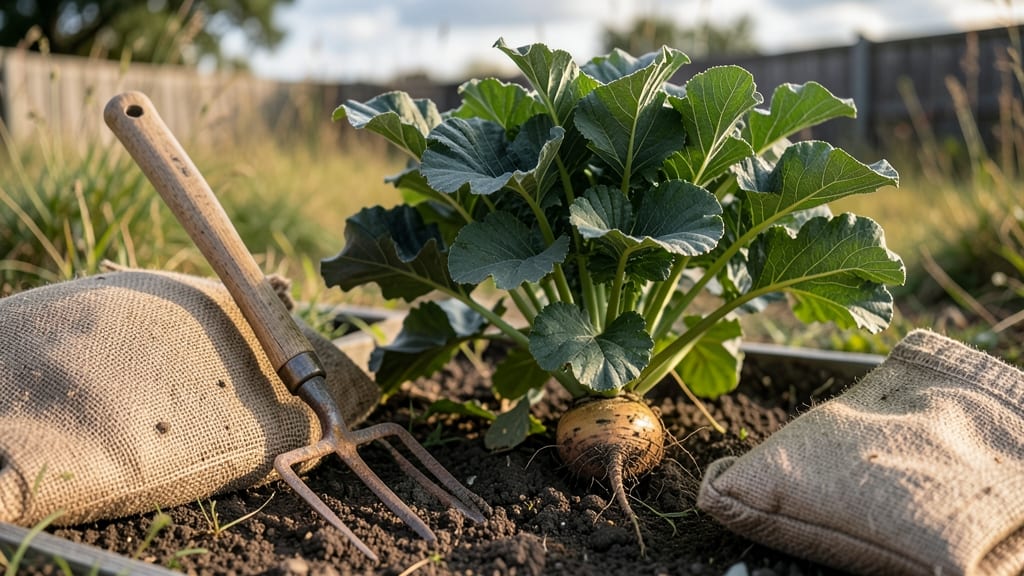
Rutabagas are in season from late fall through early winter 🥬, when their sweet, nutty flavor peaks after a light frost.
If you love rutabagas but struggle to find fresh ones at the grocery store, timing is everything—this root vegetable thrives in cool weather and has a surprisingly narrow window for peak harvest.
In USDA Zone 6a, where many gardeners grow them, rutabagas typically reach maturity between July and September, but their flavor deepens when harvested after the first frost in October or November.
Whether you’re growing your own or sourcing from markets, knowing when to harvest ensures you get the best taste and texture—plus, I’ll share how to store them so they last through the winter months.
Rutabaga season by USDA plant hardiness Zones: month-by-month harvest guide
Rutabagas are cool-weather powerhouses that thrive when temperatures dip below 75°F, making their growing season tightly linked to your USDA hardiness zone. Unlike heat-loving crops, these roots bolt and turn bitter in summer's warmth, so timing is everything.
Whether you're in Zone 1 with brutal winters or Zone 11 where frost is rare, understanding your local climate window determines whether you'll harvest crisp, sweet roots or struggle with poor yields.
The key to rutabaga success lies in planting 4-6 weeks before your last frost date and harvesting before summer heat sets in. In colder zones, you can even extend your season by planting late summer crops for a fall harvest.
Let's break down exactly when to plant, grow, and harvest rutabagas in each USDA zone to maximize your peak harvest months and avoid common timing mistakes.
| USDA Zone | Planting Window | Ideal Harvest Months | Notes |
|---|---|---|---|
| 1-3 | Late May - Early June | September - October | Short growing season; use black plastic mulch to warm soil |
| 4-5 | Mid-April - Mid-May | July - August | Plant early spring or late summer for fall harvest |
| 6-7 | March - April | June - July | Primary harvest window; avoid summer planting |
| 8-9 | February - March | May - June | Plant early; use shade cloth if summer temps exceed 80°F |
| 10-11 | October - November | January - February | Winter crop; protect with row covers during heatwaves |
In Zones 1-3, where winters are harsh, rutabagas become a fall staple. Plant seeds in late May to early June for a September-October harvest before hard frosts hit. Use black plastic mulch to extend your growing season by warming the soil faster in spring.
These northern zones benefit from fast-maturing varieties like 'Purple Top White Globe' to ensure harvest before the first frost.
Gardeners in Zones 4-5 enjoy two planting opportunities: an early spring crop (mid-April to mid-May) for a July-August harvest and a late summer crop (late July) for a fall harvest before winter sets in.
The key here is to avoid planting in late summer when days grow too short, which can lead to bolting and poor root development. Instead, focus on early season planting for the best yields.
For Zones 6-7, the classic rutabaga growing region, your March-April planting should yield harvests from June through July. This is the prime zone for rutabagas, where cool nights and warm days create ideal growing conditions.
If you're ambitious, you can attempt a late summer planting (August) for a fall harvest in October, but be prepared to protect plants from early frosts with row covers.
In warmer Zones 8-9, rutabagas thrive as a winter crop. Plant seeds in February-March for a May-June harvest before summer heat arrives. These zones require careful attention to soil moisture and shade protection—rutabagas will bolt quickly if temperatures exceed 80°F.
Consider using shade cloth during peak summer months to maintain cool soil temperatures.
Zones 10-11 offer a unique opportunity to grow rutabagas as a winter vegetable. Plant seeds in October-November for a January-February harvest, taking advantage of the mild winters. Use row covers or cold frames to protect plants from unexpected heatwaves that can stress the roots. This is also the only zone where you can successfully grow rutabagas year-round with proper protection.
No matter your zone, always harvest rutabagas before they flower—this is when they become woody and bitter. Look for roots that are 2-3 inches in diameter with firm, smooth skins.
The leaves should be 6-12 inches tall and vibrant green. If you miss the harvest window, don't despair—rutabagas store well in cool, dark conditions for up to 6 months, making them a
How to extend rutabaga season: storage tips and fall/winter cultivation
Rutabagas are a cool-season crop that thrives when temperatures drop, but their short harvest window can leave gardeners scrambling for fresh roots in late fall and winter. The key to enjoying homegrown rutabagas year-round lies in strategic fall planting and proper storage techniques.
With the right approach, you can enjoy your harvest well into spring, avoiding the bland, watery rutabagas often found in grocery stores during off-seasons.
For gardeners in USDA Zones 3-7, rutabagas can be planted as early as late summer for a fall harvest or as late as early fall for a winter harvest. In warmer zones (8-10), focus on fall planting 6-8 weeks before your first frost date.
The secret to extending your rutabaga season isn't just about when you plant—it's also about how you store and protect them from freezing temperatures.
5 Key Steps to Extend Rutabaga Season
- 🌱 Plant for Fall Harvest: Sow seeds 6-8 weeks before first frost in well-drained soil with full sun exposure.
- 📅 Time Your Harvest: Rutabagas mature in 70-90 days—aim to harvest before hard frosts hit.
- 🥬 Cure Before Storage: Let roots dry in shade for 24 hours to prevent rot.
- ❄️ Store in Cool, Dark Spots: Keep in 32-40°F with high humidity (e.g., root cellar, unheated garage).
- 🌡️ Protect from Freezing: Use straw mulch or row covers to extend outdoor growing in cold climates.
One of the easiest ways to extend your rutabaga season is by planting a second crop in late summer. This "fall crop" matures just as temperatures drop, giving you fresh roots when summer vegetables fade. Choose early-maturing varieties like 'Purple Top White Globe' or 'Laurentian' for faster harvests.
When planting, space seeds 1 inch apart and thin to 4 inches once seedlings are 2-3 inches tall—this prevents overcrowding, which leads to smaller, tougher roots.
After harvesting, proper storage is critical to maintain flavor and texture. Rutabagas store best in a cool, dark, and humid environment, like a root cellar or unheated basement. Before storing, trim the greens and let roots cure for 24 hours in a dry, shaded area.
This step reduces moisture loss and prevents spoilage. Once cured, store them in sandboxes or ventilated containers with dry peat moss or straw to absorb excess moisture.
For gardeners in Zone 3 or colder, extending the rutabaga season might require season extension techniques. Use low tunnels or row covers to protect plants from early frosts, allowing you to harvest later into fall.
Alternatively, grow rutabagas in containers and move them to a garage or shed before hard frosts hit. This method works surprisingly well—just ensure containers have drainage holes to prevent waterlogging, which can cause root rot.
With these strategies, you can enjoy homegrown rutabagas from late summer through winter, even in the coldest climates. The key is balancing timely planting, proper curing, and smart storage. Soon, you'll have a steady supply of fresh, flavorful rutabagas—no grocery store required! 🥬