
Picking
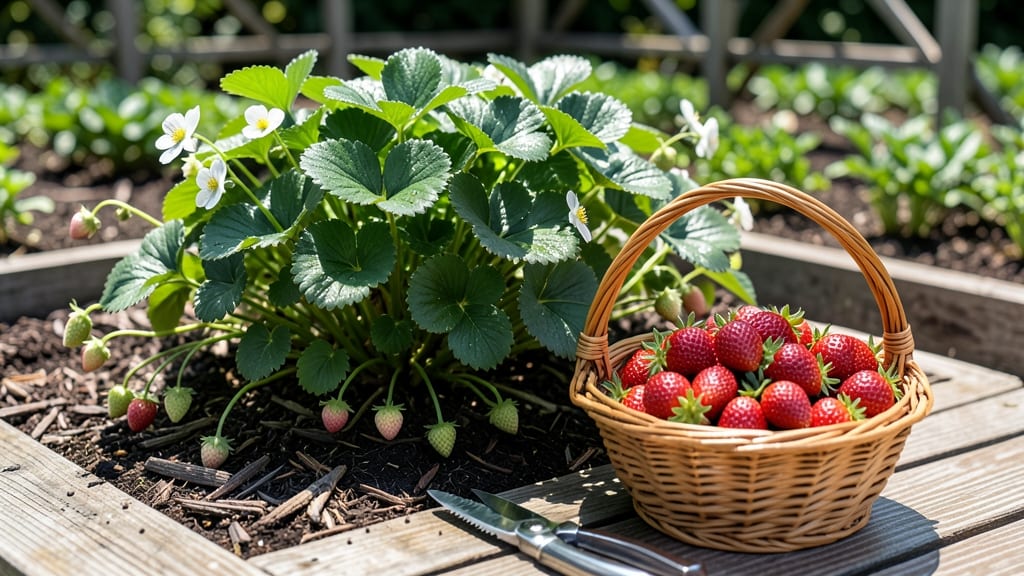
Strawberries are in season when they’re at their juiciest, sweetest, and most abundant — and that timing varies wildly depending on where you live and which variety you’re growing.
Picture this: you’re at the farmers’ market in June, only to find the strawberries 🍓 are small, tart, and priced like gold. Or worse, you’re digging into a summer berry that tastes like cardboard.
That’s because strawberry season isn’t one-size-fits-all — it’s a moving target shaped by climate, elevation, and even the type of plant you’re dealing with.
In the U.S., peak strawberry season stretches from late spring through early summer, but the exact months depend on your region. Southern gardeners might enjoy them as early as February, while Northern growers wait until June or July.
Meanwhile, everbearing varieties can stretch your harvest into fall, and smart gardeners use greenhouses to cheat the system entirely.
Here’s what you’ll discover: the best months for strawberries in your area, how to spot the ripest berries, and simple tricks to extend your harvest — whether you’re growing your own or hunting for the freshest market finds.
Strawberry season by U.s. region: month-by-month guide
Strawberries thrive in specific seasonal windows, but their peak months vary dramatically across the U.S. If you're planning a home garden or just want to enjoy the freshest market berries, knowing your region's strawberry season timeline is key.
For example, Pacific Northwest gardeners might harvest as early as April, while Southern states can enjoy them year-round with the right varieties. Let's break down when to expect sweet strawberries in your area.
The best time to harvest strawberries depends on climate, elevation, and local microclimates. Coastal areas often enjoy earlier seasons than inland regions, and high-altitude gardens may have shorter windows. Even within a single state, you might find June-bearing varieties in one county while everbearing types produce fruit in neighboring areas.
This regional variation makes timing everything for gardeners and shoppers alike.
Here's a quick reference for when strawberries are in peak season across major U.S. regions, including the best varieties to grow in each area:
| Region | Peak Season | Best Varieties | Growing Conditions |
|---|---|---|---|
| Pacific Northwest (WA, OR) | April–June | Seascape, Chandler | Cool climate, well-draining soil |
| Southern States (TX, FL, GA) | October–March | Camarosa, Sweet Charlie | Heat-tolerant, mulch heavily |
| Midwest (IL, OH, MI) | June–July | Jewel, Honeyoye | Full sun, frost protection |
| Northeast (NY, PA, MA) | June–August | Albion, Allstar | Cold-hardy, raised beds help |
| California (Central Valley) | March–November | Sequoia, Monterey | Drought-resistant, drip irrigation |
In the Pacific Northwest, strawberry season kicks off as early as late March for coastal areas, with peak harvests in May and June. Varieties like Seascape thrive in these cooler climates, producing large, firm berries perfect for fresh eating.
The region's mild winters mean some gardeners can even extend their season with row covers or cold frames.
Southern gardeners enjoy strawberries during the cooler months, with Florida's peak season running from October through March. Heat-tolerant varieties like Camarosa handle the humidity well, but shade cloth becomes essential during summer months.
In Texas and Georgia, you'll find everbearing varieties producing fruit in both spring and fall, giving gardeners two harvests per year.
The Midwest's strawberry season is more concentrated, with most varieties peaking in June and July. Gardeners in Illinois and Ohio often grow June-bearing types like Jewel, which deliver a massive crop all at once.
To avoid waste, many home growers freeze or make jam with their harvest. Raised beds help extend the season by warming the soil earlier in spring.
For Northeast gardeners, strawberry season stretches from late June through August, with some varieties like Albion producing fruit even into early fall.
The region's cold winters require careful planning—planting in well-drained soil and using mulch to protect roots from freezing. Day-neutral varieties are popular here because they produce fruit continuously throughout the season.
California stands out with its year-round strawberry production, thanks to the state's diverse microclimates. The Central Valley sees peak harvests from March through November, while coastal areas like Santa Barbara produce berries almost continuously.
Varieties like Sequoia are bred for drought tolerance, making them ideal for California's water-conscious gardeners.
No matter where you live, timing is everything when it comes to strawberries. Planting at the right time—usually 4-6 weeks before your last frost date—ensures you'll have berries when the season peaks. For June-bearing varieties, this means planting in early spring,
Best strawberry varieties and their seasonal windows
Choosing the right strawberry variety can transform your garden into a year-round berry bonanza. Not all strawberries ripen at once—some produce a single massive harvest, while others give you smaller yields throughout the season.
Understanding these differences helps you plan for peak flavor months and avoid empty garden beds.
Your location plays a huge role too. In warmer climates, you might enjoy berries from fall to spring, while cooler regions get a concentrated summer harvest.
Let’s break down the three main types—June-bearing, everbearing, and day-neutral—so you can pick the perfect fit for your garden and taste buds.
| Variety Type | Harvest Window | Planting Time | Flavor Profile | Best For |
|---|---|---|---|---|
| June-bearing | Single 4-6 week harvest in late spring/early summer | Early spring (March-April) | Sweetest, largest berries (e.g., Chandler, Jewel) | Large-scale harvests, freezer storage |
| Everbearing | Two harvests: spring + fall (smaller yields) | Spring or fall (March or September) | Balanced sweet-tart (e.g., Ozark Beauty, Seascape) | Small gardens, extended season |
| Day-neutral | Continuous harvest from late spring to frost | Spring or fall (March or September) | Mild tart-sweet (e.g., Albion, Tristar) | Year-round production, containers |
The June-bearing varieties are my top pick for abundant harvests if you love planning ahead. They produce 80% of their berries in 2-3 weeks, perfect for making jam or freezing.
Plant them in early spring for a late May-June feast, but be ready to replant every 3-4 years as they decline.
For everbearing and day-neutral types, think of them as the garden workhorses. Everbearers give you two smaller harvests—one in spring and another in fall—while day-neutral varieties keep producing as long as daylight lasts. These are ideal if you want fresh berries without replanting every few years.
Pro tip: Mix varieties in your garden! Plant June-bearing for that summer splurge and add day-neutral along the edges for extended harvests. In Zone 7+, you can even get fall berries from everbearing types after a light frost triggers flowering.
No matter which you choose, always plant in well-draining soil with full sun. And remember: Redder berries aren’t always riper—some varieties stay pale until fully sweet. Taste test a few to know when they’re perfect!