
Orchid Care
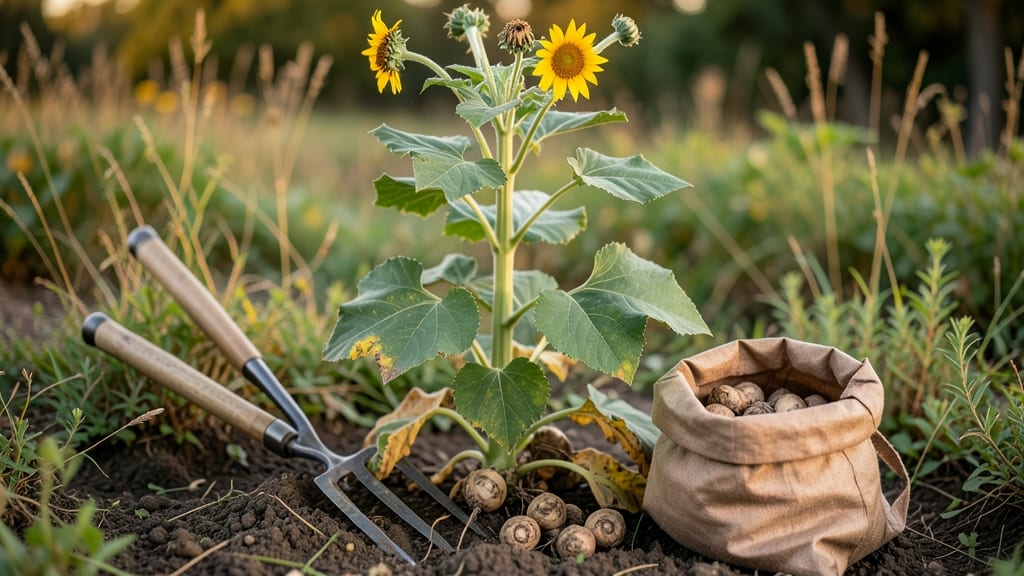
Sunchokes are in season from late summer through early fall, typically peaking in August and September across most USDA zones, though exact timing varies by climate and region. Harvest when tubers reach golf-ball size for best flavor and texture.
Sunchokes thrive as perennials, meaning they return year after year, but their harvest window shifts dramatically based on your USDA zone. In cooler climates (zones 3-5), the season often extends into October, while warmer zones (7-10) may see peak harvests as early as July.
The key is watching for tuber dormancy triggers—once the tops yellow and die back, the tubers are ready to dig. I’ve found that frost-sensitive varieties in zone 6 need harvesting by mid-September to avoid winter damage.
For the best flavor, aim for tubers the size of a golf ball—smaller ones can be mealy, while larger ones develop a woody texture. Storage tip: Cure harvested sunchokes in a dark, cool place for 24 hours before refrigerating, which preserves their crispness for up to 2 weeks.
Overharvesting weakens the plant, so I recommend leaving at least 20% of the tubers in the ground for next season’s growth.
💡 In This Article
- Sunchoke Growth Stages and Climate-Dependent Seasonal Shifts
- Optimal Harvesting Techniques for Peak Sunchoke Flavor
Sunchoke growth stages and climate-dependent seasonal shifts
Sunchokes, or jerusalem artichokes, are unique because they grow as perennials—meaning they regrow from the same root system each year. Their seasonal cycle begins in spring when the tubers sprout, sending up tall, leafy stems that can reach 6-10 feet in height.
The key to understanding their seasonality lies in their tuber dormancy triggers: once daytime temperatures drop below 50°F and nights near freezing, the plant’s foliage yellows and dies back, signaling the tubers to mature and enter dormancy.
This process typically occurs in late summer to early fall, but the exact timing depends heavily on your climate zone.
Cooler climates (USDA zones 3-5) experience a longer harvest window because the growing season extends later into fall. In these regions, sunchokes often peak in September-October, with tubers continuing to develop until the first hard frost.
Warmer zones (7-10), however, see their harvest window shift earlier—sometimes as early as July-August—because the heat accelerates the plant’s dormancy cycle. Frost sensitivity is critical: tubers left in the ground after a hard freeze (28°F) can become woody or develop off-flavors due to cell damage. 🌱
USDA zones shift peak harvest windows by 2-4 weeks due to temperature variations. For example, in zone 6, where I garden, the ideal harvest window is mid-August to early October, while in zone 9, it’s more condensed to July-August.
The rule of thumb is to dig when tubers reach 1.5–2 inches in diameter—about the size of a golf ball—because smaller tubers tend to be mealy, and larger ones develop a tough, fibrous texture. This size also ensures the best balance of starch and natural sweetness.
What most people don’t realize is that sunchokes thrive in cool-season conditions, which is why they’re often called "frost-tolerant" perennials. While they can survive light frosts, their flavor peaks when harvested just before the ground freezes.
In my experience, tubers dug in September** (zone 6) taste significantly sweeter than those left until October, likely due to the plant’s natural sugar concentration as it prepares for dormancy. This is why timing your harvest based on your specific zone—and not just the calendar—makes all the difference.
Another factor influencing seasonality is soil temperature. Sunchokes grow best in 60-70°F soil, and cooler soils slow their development. In northern climates, this means a later start to the growing season but a longer harvest window.
Conversely, southern climates may see a shorter window because the heat forces the plant into dormancy faster. To maximize your harvest, monitor both air and soil temperatures—once the soil cools to 55°F at night, the tubers will begin maturing rapidly.
For gardeners in transitional zones (like zone 7), the challenge is balancing early heat and late frosts. In these areas, I’ve found that harvesting in two batches—once in early September and again in late October—yields the best results.
The first batch captures the peak flavor, while the second ensures you don’t miss out due to unpredictable weather. This dual-harvest strategy also prevents overcrowding in storage, which can lead to spoilage.