
Vegetables
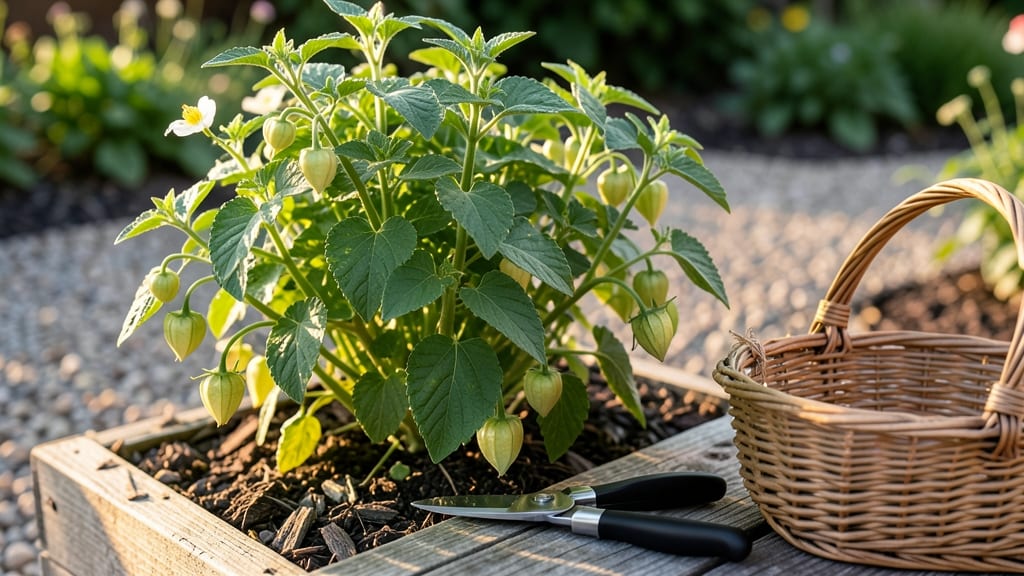
Tomatillos are in season from July through September in most of the U.S., when their tart, citrusy flavor peaks in salsas and stews.
If you love the tangy, citrusy flavor of tomatillos in salsas and stews, timing your harvest—or grocery shopping—perfectly can make all the difference. But when exactly do these green gems reach peak season, and how does your USDA zone affect when you can enjoy them fresh?
In General USDA Zone 6a, like many northern regions, tomatillos thrive from late spring planting (April–May) to early fall harvests, with July and August being the sweet spot. Meanwhile, warmer climates like the Southwest or Mexico stretch their season into October, thanks to milder winters.
Below, I’ll break down how to spot fresh tomatillos at markets, extend their season through smart storage, and even grow your own for a longer harvest—so you never miss out on that signature tang.
Tomatillo season by USDA Zone: month-by-month harvest guide
Timing your tomatillo harvest depends heavily on your USDA zone and local climate. These citrusy green fruits thrive in warm weather, but their peak season shifts dramatically from the southern U.S. to northern regions.
In Zone 10, you might enjoy fresh tomatillos year-round, while gardeners in Zone 5 need to plan carefully for a short summer window.
Commercial availability also varies—Mexican markets and specialty grocery stores often stock tomatillos year-round, but local farmers' markets peak during summer months. If you're growing your own, choosing the right variety (early, mid, or late-season) can extend your harvest by weeks.
🌱
| USDA Zone | Peak Harvest Months | Early Varieties Ready | Late Varieties Ready | Climate Notes |
|---|---|---|---|---|
| 3-4 | July–August | Late June | Early September | Short season; frost-sensitive |
| 5-6 | July–September | Mid-June | Late October | Longer season with frost protection |
| 7-8 | June–October | May | November | Extended season; heat-tolerant |
| 9-10 | Year-round | March | February | Tropical climate; no frost risk |
In Zones 3-4, where summers are short and winters harsh, focus on early-maturing varieties like 'Green Streak' to harvest before the first frost. These areas benefit from season extenders like row covers or cold frames to push harvests into early fall.
Gardeners in Zones 5-6 enjoy a longer harvest window, typically from mid-June to October. Planting a mix of early, mid, and late-season varieties ensures fresh tomatillos for salsas and stews all summer. For example, 'Purple' tomatillos mature slightly later than 'Green Streak,' giving you a staggered harvest.
Warmer Zones 7-8 allow for year-round growing with minimal effort. Here, you can even overwinter plants in mild winters, producing fruit as early as March or April. Succession planting every 4-6 weeks keeps your kitchen stocked continuously.
If you live in Zones 9-10, you’re in luck—tomatillos grow almost year-round! These regions mimic Mexico’s climate, where tomatillos are a staple. Plant in fall for winter harvests or spring for summer crops. Just watch for pests like aphids in the humid heat.
For commercial availability, Mexican grocery stores and specialty markets in the U.S. stock tomatillos year-round, but local farmers' markets peak in summer months (June–August). Call ahead to check stock if you're planning a tomatillo-based recipe—some vendors source from California or Mexico.
🌿
Pro tip: If you're growing tomatillos in cooler zones, choose dwarf varieties like 'Purple' or 'Giant' for container growing. Place pots near south-facing walls to maximize warmth and extend the season by 2-3 weeks.
💧
How to extend tomatillo season: storing, preserving, and substitutes
Tomatillos reach their peak season between July and September in most US regions, but don't let that limit your access to their tangy, citrusy flavor. With the right preservation techniques, you can enjoy them year-round.
I've found that freezing, drying, and fermenting are my go-to methods for keeping tomatillos fresh beyond their natural harvest window.
Even when fresh tomatillos aren't available, knowing the best substitutes can save your recipes. Green tomatoes or even lime juice can mimic that signature tartness when you're craving tomatillo flavor. Let's dive into how to make the most of your harvest and keep that zesty taste all season long.
To preserve tomatillos for long-term storage, I recommend freezing as the simplest method. Simply remove the husks, wash the fruit, and place them in a single layer on a baking sheet.
Once frozen solid, transfer them to airtight containers or freezer bags. This method keeps them fresh for up to 12 months while maintaining their bright flavor.
For a more concentrated flavor, try drying tomatillos. Slice them thinly, remove the husks, and dehydrate at 135°F (57°C) for 6-8 hours. Store the dried slices in an airtight container away from light.
Dried tomatillos can be rehydrated in warm water for soups or ground into a powder for seasoning blends.
If you're feeling adventurous, fermenting tomatillos creates a unique, probiotic-rich condiment. Combine them with salt and water in a clean jar, then ferment for 3-5 days.
This method not only preserves the flavor but also adds beneficial bacteria to your diet. The result is perfect for adding depth to Mexican-inspired dishes.
When fresh tomatillos aren't available, green tomatoes make an excellent substitute in a pinch. Use them in equal amounts and add a splash of lemon or lime juice to mimic the tangy flavor.
For a more acidic kick, consider using unripe limes or even green apples in recipes that call for tomatillos.