
Blooming
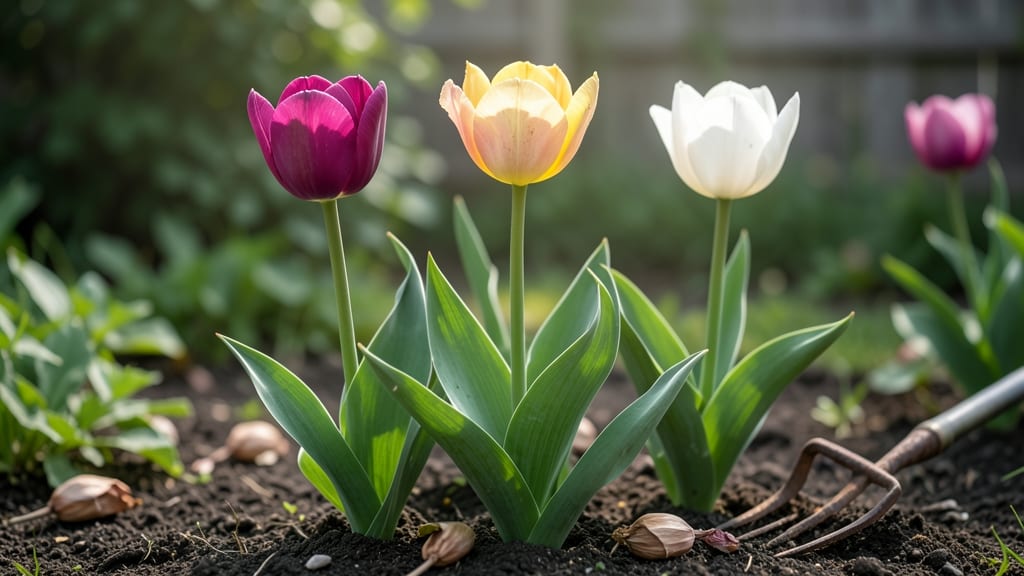
Tulips bloom in California from late February through May, with peak season varying by region—coastal areas like Santa Barbara see vibrant displays earlier, while inland spots like Sacramento wait until March.
Picture this: you’ve been planning your spring garden, dreaming of 🌷-filled fields, only to arrive at a nursery in January and find nothing but bare shelves. That’s the frustration of missing California’s tulip season by a few weeks—whether you’re hunting for bulbs, cut flowers, or just admiring the blooms.
Here’s the good news: California’s mild winters mean tulips thrive year after year, but the timing is everything. Coastal 9b-10b zones (like San Diego) often kick off blooms as early as February, while inland areas (think Sacramento) peak in April.
Even the USDA 9b regions can stretch tulip season into early May with the right varieties.
Below, I’ll break down the exact months by region, share tips for extending your blooms, and reveal the best tulip varieties that handle California’s climate like pros—so you never miss another season again.
California tulip season by region: exact months for peak blooms
California’s tulip season varies dramatically by region, thanks to the state’s diverse microclimates. Inland areas like the Sacramento Valley experience cooler winters, while coastal regions like Pismo Beach enjoy milder temperatures year-round. Even Southern California gardens in places like Descanso Gardens can bloom weeks earlier than Northern counterparts.
Understanding these variations ensures you don’t miss the peak bloom windows—or worse, plant bulbs at the wrong time.
Most California gardeners plant tulip bulbs in fall (October-December), but bloom times shift based on elevation, proximity to the coast, and local frost patterns.
For example, high-desert areas like Lake Tahoe’s eastern slopes may see blooms as early as late February, while coastal Santa Barbara gardens might not peak until mid-April.
The key is knowing your USDA hardiness zone—California ranges from 9b (coastal) to 10b (inland valleys), and tulips thrive in both.
| Region | Peak Bloom Months | Key Locations | Climate Notes |
|---|---|---|---|
| Northern California | Late March–Early May | Sacramento Valley, Davis, Woodland | Cooler winters; frost possible until January. Best for early bloomers like ‘Early Harvest’. |
| Central Coast | Mid-March–Late April | Pismo Beach, Morro Bay, Santa Barbara | Mild coastal climate; blooms delayed by 2–3 weeks vs. inland areas. |
| Southern California | Early February–Mid-April | Descanso Gardens, Huntington Library, Palm Springs | Warmest region; early bloomers thrive, but late varieties may struggle in heat. |
| High Desert (Eastern Sierra) | Late February–Early April | Lake Tahoe, Mammoth Lakes | Cold winters; blooms early due to high elevation and chilly nights. |
In Northern California, the Sacramento Valley hosts some of the state’s most famous tulip festivals, with peak blooms typically landing in late March to early April.
Events like the Davis Tulip Festival (late March) and Woodland’s Tulip Festival (early April) draw crowds eager to see millions of blooms in vibrant hues. These areas benefit from cooler winter temperatures, which trigger consistent blooming.
However, gardeners in USDA Zone 9b should plant bulbs by mid-November to avoid winter rains that can rot them.
The Central Coast, including Pismo Beach and Morro Bay, experiences a delayed but extended tulip season due to milder coastal climates. Here, blooms often peak from mid-March to late April, with Santa Barbara’s gardens showcasing late-season varieties like ‘Darwin Hybrid’ tulips.
The ocean’s moderating influence means fewer frost risks, but gardeners should still choose drought-tolerant varieties to handle the region’s dry summers. Plant bulbs in November for best results.
Southern California’s tulip season is a winter spectacle, with gardens like Descanso Gardens in La Cañada Flintridge bursting into bloom as early as late January. The Huntington Library’s botanical gardens in Pasadena often see peak tulip displays by mid-February.
This early blooming is thanks to the region’s mild winters, but it also means heat-sensitive varieties may struggle if temperatures rise too quickly. Gardeners here should prioritize heat-tolerant tulips, such as ‘Fosteriana’ or ‘Kaufmanniana’, and plant bulbs by December to avoid summer heat stress.
For high-desert areas like Lake Tahoe and Mammoth Lakes, tulip season arrives earlier than most of California—often by late February. The cold winter nights and cool days create ideal conditions for early bloomers. However, gardeners must account for short growing seasons and potential late-season frosts.
Choosing hardy varieties like ‘Parrot’ tulips or ‘Fringed’ tulips can help extend the season. Plant bulbs in October to give them time to establish before winter sets in.
To maximize your tulip season
How to extend your tulip season: planting tips for longer blooms
California’s tulip season doesn’t have to be a fleeting moment—with the right strategies, you can stretch those vibrant blooms from early spring to late spring. The secret lies in layered planting and smart variety selection.
By combining early, mid, and late-season tulips, you create a continuous bloom that keeps your garden colorful for weeks longer than nature intended.
Start by choosing early-blooming varieties like ‘Early Harvest’ or ‘White Dream’ for February-March color. Pair them with mid-season favorites like ‘Darwin Hybrid’ for April brilliance, and cap it off with late bloomers such as ‘Queen of Night’ for May drama.
This staggered approach ensures no gap in your garden’s showstopper moments.
- 1 Layer bulbs by depth: Plant early bloomers shallower (4-6 inches) than late bloomers (8-10 inches) for staggered growth.
- 2 Choose heat-tolerant varieties like ‘Fosteriana’ or ‘Parrot tulips’ to handle Southern California’s warmer microclimates.
- 3 Plant in partial shade for cooler microclimates (e.g., near walls or trees) to delay blooming in hotter zones.
- 4 Fertilize lightly in early spring with 5-10-10 to encourage longer stems and bigger blooms.
- 5 Deadhead spent blooms but leave foliage until it yellows to replenish bulbs for next year’s longer season.
Don’t overlook microclimate strategies—California’s diverse zones offer creative ways to tweak bloom times. In coastal areas (like Santa Barbara), where winters are milder, plant bulbs in partial shade to delay flowering until late March or April.
Conversely, in inland valleys (e.g., Sacramento), embrace full sun but choose late-season varieties to push blooms into May.
For container gardening, opt for dwarf tulips like ‘Tiny Star’ or ‘Purple Prince’ and place pots in varied sun exposures. Move containers to sunnier spots in winter for earlier blooms or shadier areas in spring to extend the season.
This flexibility is perfect for urban gardeners with limited space.
Finally, remember that soil temperature plays a crucial role. Plant bulbs when soil cools to 60°F or below (typically October-November in most of California). In Southern California’s Zone 10b, you can even plant in December for a winter-to-spring show.
With these tips, your tulip season could stretch from February to June—turning your garden into a year-round bloom machine!