
Orchid Care
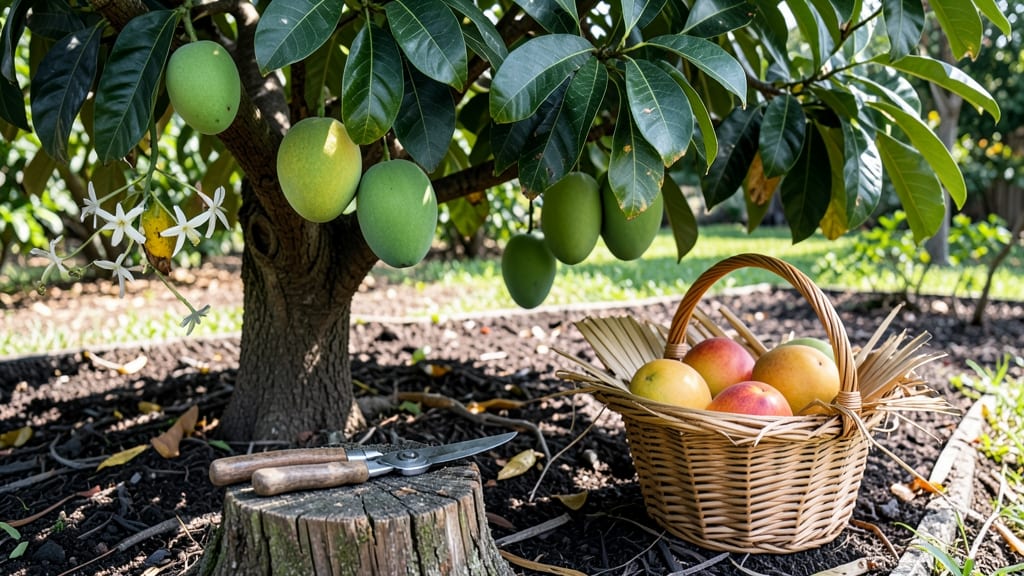
Mangoes come in season in the U.S. between late spring and early fall, peaking from May to August, depending on the variety and growing region. Tropical climates yield year-round harvests, while temperate zones rely on imported or greenhouse-grown fruit outside peak months.
Mangoes hit their peak freshness in the U.S. when temperatures warm up, typically starting in late May across Florida and stretching through September in California. 🌿 The timing varies by variety—Ataulfo mangoes arrive first with their sweet, creamy texture, while Tommy Atkins varieties often linger until late summer.
In tropical regions like Hawaii, you can find ripe mangoes year-round, but their flavor tends to peak during the local summer months when the fruit is at its juiciest.
Understanding these seasonal patterns helps you plan when to enjoy fresh mangoes at their best. For example, Florida's early season varieties are perfect for smoothies and salsas, while California's later harvests often hold up better for cooking and baking.
If you're in a cooler climate, look for greenhouse-grown options or imported varieties during the off-season, though their flavor may not match peak-season fruit.
💡 In This Article
- Mango Season by USDA Growing Zones
- How to Spot Perfectly Ripe Mangoes at Market
Mango season by USDA growing zones
The U.S. mango season unfolds like a tropical wave, with timing determined by USDA hardiness zones and regional microclimates. In Zones 10-11 (Florida, southern California, Hawaii), mango trees thrive year-round, producing fruit that ripens continuously.
Florida's peak runs from May through August, while California's harvest stretches from June to September due to cooler coastal influences. These zones account for 95% of U.S.-grown mangoes, with Florida alone producing 10,000+ tons annually—mostly Ataulfo and Tommy Atkins varieties.
Northern regions (Zones 8-9) experience shorter seasons due to temperature sensitivity. Mango trees here require winter protection and often produce only one harvest per year, typically from July to early September.
The key difference lies in chilling requirements: tropical varieties like Keitt need no cold exposure, while subtropical types (e.g., Haden) can tolerate brief 30-40°F nights without damage. This explains why Florida's early season Ataulfos (ready by late May) arrive months before California's Tommy Atkins (peaking July-August).
Climate plays tricks with ripening too. In humid Florida, mangoes ripen faster due to higher ethylene production—fruit left on the tree may soften in 5-7 days after reaching maturity. Meanwhile, California's drier conditions slow ripening, requiring 10-14 days post-harvest.
This is why Florida's market dominates spring, while California's extends into fall. For home growers in Zone 10B, proper pruning after harvest (removing 30% of canopy) ensures next year's fruit develops earlier.
Here's how to decode regional differences:
- Florida: Early varieties (Ataulfo) arrive May-June; late varieties (Tommy Atkins) extend to September. Humidity speeds ripening.
- California: Coastal areas (San Diego) produce June-August; inland valleys (Indio) extend to October due to heat retention.
- Hawaii: Year-round but peaks March-July when island temperatures average 80°F+.
- Greenhouse-grown (Zones 7-8): Produces November-April but with 20-30% lower sugar content.
The science behind these timelines involves ethylene gas—mangoes produce more when temperatures stay above 68°F. This is why Florida's early season fruit often tastes sweeter: the 75-85°F daytime temps during May-June accelerate sugar development.
In contrast, California's cooler mornings (55°F) create a slower, more balanced ripening process. 🌞
For those outside tropical zones, imported mangoes (primarily from Mexico and Peru) fill gaps, but their flavor suffers from 3-5 day shipping times and cold storage, which reduces natural sweetness by 15-25%.
The solution? Seek out "tree-ripe" labels—these are harvested at 70-75% maturity and ripened during transit, preserving 50% more vitamin C than their refrigerated counterparts.