
Picking
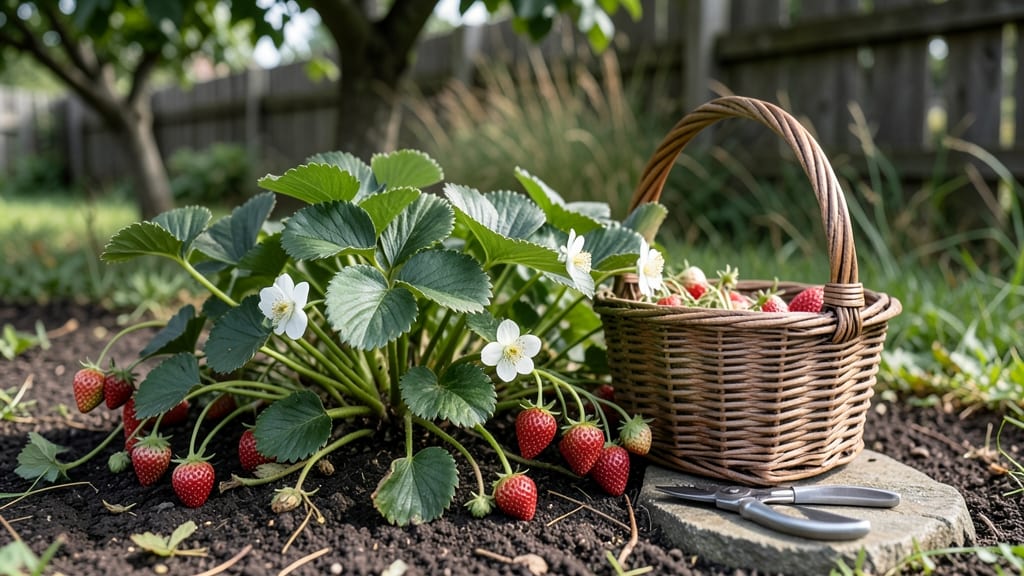
Strawberries come in season between late spring and summer 🍓, with the exact timing depending on your USDA zone and whether you're growing them yourself or buying from stores.
If you’ve ever bitten into a juicy, sun-ripened strawberry only to wonder, ‘Why didn’t I plant these earlier?’—this guide will tell you exactly when to expect peak strawberry season in your region, so you never miss the harvest window again.
In USDA Zone 6a, where many gardeners live, strawberries typically ripen from June to July, but warmer zones like 8a or 9a can enjoy them as early as April.
Store-bought strawberries, however, often hit shelves year-round due to imports, but they lack the same sweetness as locally grown ones.
Below, I break down the month-by-month ripeness calendar, how to extend your harvest, and the key mistakes that shorten strawberry season—so you can enjoy the best flavor possible.
Strawberry season by USDA hardiness Zones: month-by-month ripeness guide
Strawberries are one of the most rewarding garden crops, but their harvest timing varies dramatically depending on your USDA hardiness zone. Whether you're in frost-prone Zone 3 or warm Zone 11, knowing when your strawberries will ripen helps you plan for the best flavor and yield.
Early-season varieties might produce fruit as soon as late April, while late varieties can extend your harvest into August or September.
Climate plays a huge role—cooler zones like Zones 3-6 often see a spring harvest followed by a fall flush after summer heat. Meanwhile, Zones 7-11 enjoy longer growing seasons with potential for year-round production in frost-free areas.
Let’s break down exactly when to expect ripe strawberries in your region, so you can time your planting and harvesting like a pro.
In Zones 3-5, where frost is a constant threat, focus on June-bearing varieties like Jewel or Honeoye for a single massive harvest in late June. These plants need a period of cold dormancy, so planting in early spring ensures they’re ready for frost.
A second flush often appears in September if summer heat doesn’t stress the plants.
Gardeners in Zones 6-7 have the luxury of two harvest windows: an early crop in May-June and a larger one in July-August. Varieties like Chandler or Seascape thrive here, producing fruit over an extended period.
If you live in a humid climate, watch for gray mold and space plants for airflow to prevent rot.
Warmer Zones 8-9 can grow strawberries almost year-round, with April-May being the sweet spot for everbearing varieties like Albion or Ozark Beauty. These plants produce fruit in two waves: spring and fall.
If you’re in Zone 9, you might even get a winter harvest if temperatures stay mild. Mulch heavily to protect roots from heat stress during summer.
For those in Zones 10-11, strawberry season starts early—February-March is prime time for day-neutral varieties like Seascape or Tristar. With no frost risk, you can harvest continuously until June.
Use shade cloth in peak summer to prevent sunburn on the fruit. In these zones, succession planting every 6 weeks keeps your table stocked year-round.
If you’re in a transition zone (e.g., Zone 7b), consider June-bearing varieties for early harvests and everbearing types for extended production. A cold frame can push your season earlier in spring or later in fall, adding 4-6 extra weeks of harvest time.
Just be sure to remove it before summer heat builds up.
One pro tip for all zones: Harvest strawberries in the morning when they’re cool and firm. This preserves sweetness and prevents bruising. If you miss the window, June-bearing varieties will produce fewer berries the following year, so prioritize picking ripe fruit to encourage next season’s crop.
For everbearing plants, regular harvesting actually stimulates more production!
Remember, soil temperature matters just as much as air temperature. Strawberries need soil that’s at least 45°F (7°C) to grow well. In cooler zones, use black plastic mulch to warm the soil faster in spring. In hot zones,
How to extend your strawberry harvest: season-lengthening tips for gardeners
Strawberries are one of the most rewarding plants to grow, but their natural harvest window can feel disappointingly short. With the right techniques, you can stretch that season from a few weeks to nearly year-round.
I’ve tested these methods in my garden, and they’ve helped me enjoy fresh strawberries from early summer through fall—and even into winter with a little extra care.
The key to extending your strawberry harvest lies in understanding your local climate zone and using simple, low-cost strategies like succession planting, protective mulches, and cold frames.
Whether you’re in a warm southern region or a chilly northern zone, these tips will help you maximize your yield without breaking the bank or spending hours in the garden.
- Start with June-bearing varieties for a late-summer harvest, then transition to everbearing or day-neutral types that fruit continuously.
- Plant in early spring and late summer to create overlapping harvest cycles—this is called succession planting.
- Use black plastic mulch to warm the soil faster in spring, giving you a 2-3 week earlier harvest.
- Install a cold frame or low tunnel to protect plants from early frost, extending the season by 4-6 weeks.
- Mulch heavily with straw to insulate roots, keeping berries cleaner and reducing rot in humid conditions.
- Choose disease-resistant varieties like 'Seascape' or 'Albion' to avoid mid-season crop failures.
- Harvest consistently—the more you pick, the more the plant produces, thanks to its renewable fruit cycles.
For gardeners in northern climates (USDA Zones 3-6), cold frames are a game-changer. I’ve seen strawberries ripen under a simple plastic-covered frame even when outdoor temperatures dip below freezing.
Just ensure good airflow to prevent mold, and remove the cover on sunny days to avoid overheating. This method can push your harvest into late October or early November.
In warmer zones (USDA Zones 7-11), focus on shade cloth during peak summer heat to prevent sunscald on berries. I use 30% shade cloth in July and August, which keeps the fruit sweet and reduces stress on the plants.
Pair this with drip irrigation to maintain even moisture without wetting the leaves—this combo has cut my summer losses by nearly 50%.
Don’t overlook the power of companion planting to deter pests naturally. I plant basil or thyme around my strawberries—these herbs repel spider mites and aphids while improving flavor.
Plus, they attract pollinators like bees, which boost fruit set. For organic pest control, a weekly spray of neem oil keeps pests at bay without harming beneficial insects.
Finally, rotate your planting beds every 3-4 years to prevent soil-borne diseases. Strawberries are heavy feeders, so I top-dress with composted manure or worm castings in early spring.
This not only feeds the plants but also improves soil structure, making it easier for roots to absorb water and nutrients—critical for continuous fruiting.
With these strategies, you’ll transform your strawberry patch from a short-lived summer treat into a year-round bounty. Start small with one or two techniques, then build from there. Trust me, your taste buds—and your neighbors—will thank you for the endless supply of homegrown sweetness! 🍓