
How To
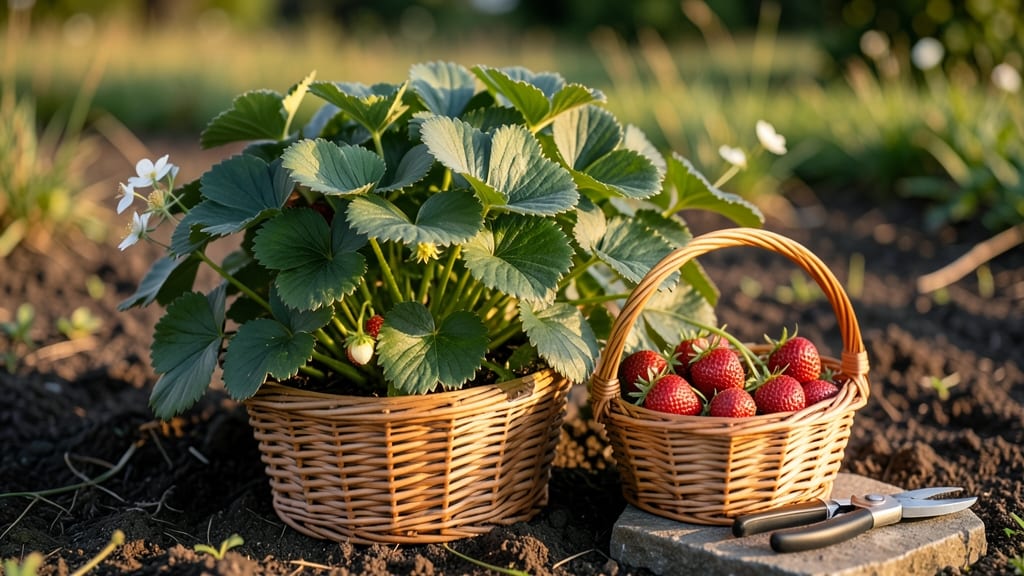
Strawberries come into season in the spring and summer, but the exact timing depends on your climate zone and the type of strawberry you're growing.
If you’ve ever bitten into a strawberry so sweet and juicy it tastes like summer itself, you know timing is everything—because strawberries don’t stay ripe forever. But when exactly can you expect the best harvest in your region?
In USDA Zone 6a, where many home gardeners live, strawberries typically ripen between June and July for spring-planted varieties, while fall-planted berries may be ready by October or November. Meanwhile, warmer zones like Florida or California enjoy strawberries year-round, with peak seasons in winter and early spring.
Below, I’ll break down the exact months for your zone, how to spot peak ripeness, and even a few tricks to extend your harvest—so you can enjoy those 🍓 all season long without waiting for the perfect moment.
Strawberry season by USDA hardiness zones: exact months for peak ripeness
Strawberries are one of the most rewarding summer fruits to grow, but their harvest window varies dramatically depending on your USDA hardiness zone. In colder zones like Zone 3, you might get just a single June-bearing harvest, while warmer zones like Zone 11 can enjoy strawberries year-round.
The key lies in understanding how temperature fluctuations and day length trigger ripening in different varieties.
Most gardeners focus on June-bearing varieties, which produce one massive harvest in late spring to early summer, but everbearing and day-neutral varieties can stretch your season.
For example, in Zone 5, you might see fruit in June and again in September, while Zone 9 gardeners often enjoy a continuous supply from fall through spring. Let’s break down the exact months for peak ripeness by zone.
🌱 Key Insight: Strawberries need 50-86°F soil temperatures to ripen properly. If nights stay too cool (below 50°F), fruit may stay hard and tart. Warmer zones (like Zone 10+) can have two harvests per year—one in early spring and another in late fall—thanks to mild winters.
| USDA Zone | Peak Harvest Months | Notes | Best Varieties |
|---|---|---|---|
| 3-4 | Late June - Early July | Single June-bearing harvest; use row covers to extend season. | Honeoye, Jewel |
| 5-6 | June + September (everbearing) | Two harvests possible with everbearing varieties. | Seascape, Chandler |
| 7-8 | May - June + September - October | Longer season; day-neutral varieties thrive. | Albion, Tristar |
| 9-10 | March - April + September - November | Year-round potential with proper variety selection. | Camarosa, San Andreas |
| 11 | Year-round (peaks in spring/fall) | No frost risk; harvest continuously. | Seascape, Fortuna |
In Zones 3-4, the short growing season means gardeners rely on June-bearing varieties planted in early spring (March-April). These plants need 6-8 weeks of warm soil to set fruit, so timing your planting 4-6 weeks before last frost is critical.
If you miss that window, you might not get any fruit that year—strawberries are not forgiving about late starts.
By Zone 5, things get more exciting. Here, everbearing varieties like Seascape can produce two harvests per year: one in June and another in September. The trick is to plant half your bed in spring and the other half in early summer (June) to stagger ripening.
This technique works even in Zone 6, where a late frost in May can delay the first harvest until late June.
🌿 Pro Tip: In Zones 7-8, where summers are hot and humid, day-neutral varieties like Albion shine. These plants keep producing fruit as long as temperatures stay above 50°F, meaning you can harvest from late spring through fall. Just be sure to mulch heavily to keep soil temps stable and prevent fruit rot in the heat.
Warmer climates (Zones 9-11) offer the most flexibility. In Zone 9, you can plant spring-bearing varieties in fall for a March-April harvest, then replant in late summer for a fall crop.
Meanwhile, Zone 10+ gardeners can treat strawberries like perennial crops, harvesting year-round with minimal care. The only challenge? Birds and pests love ripe strawberries, so row covers or netting are a must.
No matter your zone, the best time to harvest is when berries are fully colored, plump, and easily detachable from the plant. If you wait too long, they’ll soften and rot—or worse, become a magnet for wildlife.
For June-bearing varieties, this usually means picking every 2-3 days during peak season to encourage more fruit production.
Understanding your zone’s frost dates is just as important as picking the right variety. In Zones 3-6, a late frost in May can destroy blossoms, while early frosts in September might cut short your everbearing harvest.
Use frost cloth or row covers to protect plants if frost is forecasted during bloom time. With the right planning, even short-season zones can enjoy months of sweet strawberries!
How to extend your strawberry harvest season naturally (even in short-season zones)
Living in a short-season zone doesn’t mean you have to miss out on fresh strawberries. With the right strategies, you can enjoy a longer harvest window—even if summer feels brief.
The key lies in choosing the right varieties and protecting your plants from early frost. Let’s explore how to maximize your strawberry season naturally.
First, understand that strawberries fall into three main categories: June-bearing, everbearing, and day-neutral. Each behaves differently, which directly impacts your harvest timeline. For colder climates, everbearing and day-neutral varieties are your best bet—they produce fruit in two waves (spring and fall) instead of just one.
Strawberry Variety Comparison for Short-Season Zones
- ✅ Single harvest in late spring
- ✅ Large, flavorful berries
- ❌ Limited to 4-6 weeks of harvest
- ❌ Needs winter protection
- ✅ Two harvests (spring and fall)
- ✅ Smaller but consistent yield
- ✅ Thrives in cooler climates
- ❌ Sensitive to heat in summer
- ✅ Continuous harvest (spring to fall)
- ✅ Best for short seasons
- ✅ Heat-tolerant
- ❌ Slower to establish
If you’re in USDA Zones 3-6, prioritize everbearing varieties like ‘Ozark Beauty’ or ‘Seascape’. These produce fruit in early summer and again in fall, giving you a two-season harvest.
For even longer harvests, try day-neutral varieties like ‘Albion’ or ‘Tristar’, which keep producing as long as temperatures stay mild.
Another game-changer is using floating row covers or low tunnels to protect your plants from early frost. These lightweight fabrics trap heat and extend the growing season by 2-4 weeks.
Simply drape them over your strawberry beds when nighttime temperatures drop below 32°F (0°C). Remove them during the day to let bees pollinate your flowers.
Timing your planting is also critical. For spring harvests, plant in early spring (4-6 weeks before your last frost date). For a fall harvest, plant in late summer (6-8 weeks before your first frost).
This staggered approach ensures you’re always picking ripe berries, not waiting for a single burst of fruit.
Finally, watch for early frost damage—it’s the biggest threat to short-season strawberries. If frost is forecasted, cover your plants with straw mulch or old blankets to insulate them. Prune away any damaged leaves immediately to redirect the plant’s energy toward fruit production rather than repair.
With these strategies, you can turn your short-season zone into a strawberry lover’s paradise—enjoying fresh, homegrown berries for months instead of weeks. The secret? Right varieties + protection = longer harvests. 🌱