
Vegetables
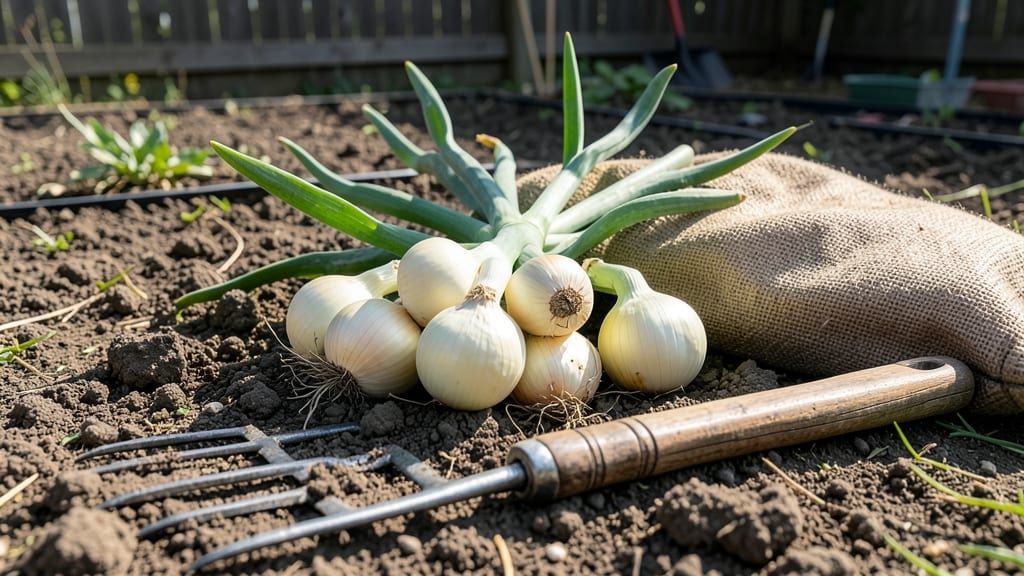
Vidalia onions come in season during late summer 🧅, when their signature sweetness peaks after months of careful Georgia cultivation.
If you’ve ever bitten into one and wondered why it’s so much sweeter than your grocery store staples, timing is everything—these onions only shine during a narrow window. Missing it means settling for bitter, imported versions that can’t compare.
For gardeners in USDA Zone 6, this means planning ahead: plant sets in March–April for a June–July harvest, when temperatures and daylight align perfectly for that signature sweetness. Even a week off can mean the difference between a tender, mild onion and a tough, pungent one.
Below, I’ll break down the exact months for peak season, how climate affects timing, and pro tips to stretch your harvest—or find the freshest substitutes when they’re out of season.
Vidalia onion season timeline: exact months and Georgia harvest peaks
If you're planning your garden or waiting for the sweetest Vidalia onions to hit stores, timing is everything. These Georgia-grown varieties thrive in the warm, humid climate of the Southeast U.S., creating a distinct seasonal window that differs from other onion types.
Understanding these exact months ensures you enjoy their peak sweetness and avoid bitter, store-bought substitutes.
The Vidalia onion season in Georgia typically runs from late May through early August, with the absolute peak harvest occurring between June and July. This tight window is due to the onions' sensitivity to temperature—too much heat or cold disrupts their natural sugar development.
Outside these months, you’ll find fewer fresh options, and what’s available often lacks the signature mild, sweet flavor.
Climate plays a critical role in this timing. Georgia’s humid subtropical climate provides the perfect balance of warmth and moisture for Vidalia onions. Daytime temperatures between 75°F and 85°F during growth promote sweetness, while cooler nights help bulbs mature properly.
In other regions, like South Carolina or Florida, the season may extend slightly earlier (starting in April) or later (ending in September), but Georgia remains the gold standard for quality.
| Region | Peak Season | Key Climate Factor | Harvest Notes |
|---|---|---|---|
| Georgia | June–July | Humid, 75°F–85°F days | Sweetest, most tender bulbs |
| South Carolina | May–August | Coastal humidity | Slightly earlier start |
| Florida | April–September | Warm year-round | Longer growing window |
| North Carolina | June–July | Moderate humidity | Similar to Georgia |
| Other States | Limited availability | Cooler climates | Often bitter or imported |
For gardeners in Georgia and nearby states, planting Vidalia onion sets in March or early April ensures you’ll harvest during peak season. These onions need 90–110 days to mature, so timing your planting is crucial.
If you miss this window, you might end up with smaller bulbs or onions that develop a sharper taste due to heat stress.
Early-season varieties, like 'Sweet 1015', mature faster (around 90 days) and are ideal for gardeners who want to stretch their harvest into late May or early June.
Mid-season types, such as 'Granex 33', peak in June and July and offer the best balance of sweetness and size. Late-season varieties, like 'Texas Early White', can extend your harvest into August but may sacrifice some sweetness as temperatures rise.
If you’re outside the Southeast U.S., your options narrow significantly. Most Vidalia onions sold in other regions during off-season months are either frozen, canned, or imported from California or Mexico. These alternatives often lack the same sweetness and texture.
To identify fresh Vidalia onions, look for dry, papery skins and a golden-yellow hue—never green or firm bulbs, which indicate poor storage or late harvests.
Climate disruptions, like unseasonal heatwaves or droughts, can also shift the harvest window. In 2023’s extreme heat in Georgia, some farmers reported earlier harvests in late May to prevent bulbs from becoming pungent.
Paying attention to local weather forecasts and farmer updates can help you anticipate any shifts in availability.
To maximize your enjoyment of Vidalia onions,
How to find fresh Vidalia onions outside their season (and what to avoid)
Vidalia onions reach their peak sweetness between June and August in Georgia, but their availability dwindles quickly after harvest. When you crave that signature mild flavor outside these months, you’ll need to get creative.
The key is knowing where to look—and what to avoid—to prevent disappointment. Frozen, canned, or imported alternatives can work, but they come with trade-offs that affect taste and texture.
First, understand that freshness is critical for that signature sweetness. Out-of-season options often lack the same depth of flavor because they’re either stored for months or shipped from distant farms.
Your best bets are frozen Vidalia onions (quickly blanched to preserve flavor) or locally grown alternatives like Texas Sweet or Southern Belle onions, which share similar mild profiles.
🌱
Vidalia Onions Outside Season: Pros and Cons
Frozen Vidalia Onions
- ✅ Retains sweetness when blanched properly
- ✅ Year-round availability in most grocery stores
- ✅ Long shelf life (up to 12 months)
- ❌ Texture changes after thawing (softer)
- ❌ Limited freshness compared to in-season
- ❌ Higher risk of freezer burn if not sealed properly
Canned Vidalia Onions
- ✅ Convenient for cooking (no prep needed)
- ✅ Long shelf life (2-5 years)
- ✅ Affordable year-round option
- ❌ Loss of fresh flavor (often bland or salty)
- ❌ Soggy texture when cooked
- ❌ Added preservatives (sodium, acids)
Imported or Store-Bought "Vidalia" Onions
- ✅ May be fresher than canned options
- ✅ Available in some regions year-round
- ❌ Often bitter or pungent (not true Vidalia)
- ❌ Long shipping times reduce freshness
- ❌ Misleading labeling (check for "Vidalia-style")
When shopping for out-of-season Vidalia onions, always check the packaging date and avoid bulbs with sprouting or soft spots. Look for labels that specify "fresh-frozen" or "quick-frozen" to ensure minimal flavor loss.
If buying canned, opt for brands with no added salt or preservatives, like Green Giant or Del Monte, which often use Vidalia in their products.
For the best results, consider growing your own Vidalia-style onions in containers or raised beds. Varieties like 'Texas Early White' or 'Candy' onions mimic the sweet profile and can be harvested in early summer or fall, depending on your climate.
Even if you can’t replicate the exact flavor, you’ll get closer than store-bought alternatives.
If you’re unsure about quality, perform a quick taste test: Slice a small piece and let it sit for 10 minutes. If it remains mild and sweet (not sharp or pungent), it’s a good substitute. Bitter or strong flavors mean it’s not true Vidalia—keep searching!
🌿