
Plants
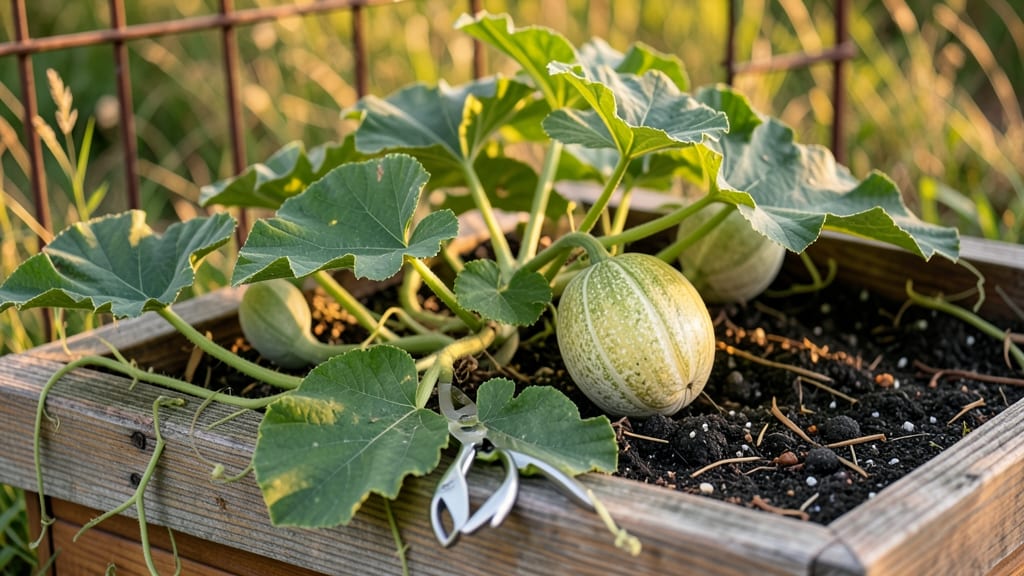
Cantaloupe season starts when soil warms to 70°F and frost risk fades — typically late April to early May in most U.S. growing zones, with harvests peaking July through August.
Picture this: you’ve waited all spring, and finally, those 🍈 vines sprawl across your garden, ready to deliver sweet, juicy melons. But miss the timing, and you’re left with bitter fruit or a crop lost to cold.
The right schedule isn’t just about months—it’s about soil temps, frost dates, and even your local microclimate.
In warmer zones like Florida or California, cantaloupe thrives year-round, while gardeners in USDA Zone 6 (like me!) must time planting between April 15 and May 15 to avoid frost.
Late starters? Don’t worry—some varieties mature in just 60 days, giving you a second chance if you adjust your approach.
Below, I’ll break down the exact planting windows by zone, share foolproof ripeness tricks, and even reveal how to stretch your season with simple hacks. Ready to turn your patch into a melon goldmine?
Cantaloupe season start dates by USDA planting zones (exact months)
Timing your cantaloupe planting is critical—these heat-loving plants bolt in cool soil, and frost will kill them instantly. I’ve broken down the exact months to plant seeds or transplants by USDA zone, plus when to expect harvests.
Whether you’re in frost-prone Zone 3 or balmy Zone 11, this schedule ensures sweet, ripe fruit.
Cantaloupes thrive in warm weather, so soil temperatures below 70°F will stall germination. In cooler zones, use row covers or start seeds indoors 3-4 weeks before the last frost. For southern zones, focus on fall planting to avoid summer heat stress—just time it so vines mature before first frost.
Here’s your zone-by-zone planting and harvest timeline, including early, mid, and late varieties to extend your season. Pro tip: Black plastic mulch warms soil faster in cooler zones, giving you a 2-3 week head start.
| USDA Zone | Spring Planting | Fall Planting | Harvest Window | Best Varieties |
|---|---|---|---|---|
| Zones 3-4 | Late May - Early June (after soil warms to 70°F) | N/A (too short season) | Late August - Early September | 'Ambrosia', 'Hale’s Best' |
| Zones 5-6 | Mid-April - Mid-May | Late July - Early August (for fall crop) | July - September | 'Athena', 'Tasty Jewel' |
| Zones 7-8 | Early April - Early May | Mid-August - Mid-September | June - October | 'Crimson Sweet', 'Honey Dew' |
| Zones 9-10 | February - March (spring) or September (fall) | September - October | April - June / October - November | 'Muskmelon', 'Sugar Baby' |
| Zone 11 | Year-round (avoid peak summer heat) | Year-round (avoid winter) | January - December (succession plant) | 'Heirloom', 'Persian Melon' |
In Zones 3-4, your window is tight—plant transplants (not seeds) after Memorial Day for any chance of harvest before frost. Use black plastic mulch to raise soil temps by 5-10°F. In Zones 5-6, aim for early varieties like 'Ambrosia' (70 days to maturity) to beat autumn chills.
Southern gardeners in Zones 7-10 can grow cantaloupes twice a year. Plant spring crops in February-March for summer harvests, then fall crops in August-September to enjoy fruit in autumn.
In Zone 11, treat cantaloupes like a year-round crop, but avoid planting during peak summer (100°F+ soil temps reduce yields).
Watch for frost warnings—even a light freeze will kill cantaloupe vines. In Zones 5-6, cover plants with row fabric if night temps drop below 50°F. For fall planting, count backward from your first frost date and choose varieties with 70-80 day maturity.
Pro move: Succession plant every 2 weeks in Zones 7-10 to stagger harvests. For example, plant a batch in March for June fruit, then another in August for October melons. This ensures a steady supply and lets you enjoy cantaloupes for 3+ months in ideal zones.
Don’t overlook soil prep—cantaloupes need well-draining, sandy loam with a pH of 6.0-7.0. Work in 2-3 inches of compost before planting, and avoid fresh manure (it causes blossom-end rot). My secret? Side-dress with aged compost when vines start flowering to boost sweetness.
Remember: Heat stress is just as deadly as frost. In Zones 9-11, provide afternoon shade during summer to prevent sunscald on fruit. Mulch with straw to retain moisture and keep roots cool. With these tips, you’ll enjoy homegrown cantaloupes for months—no grocery store melons needed!
How to tell when cantaloupe is perfectly ripe (beyond the nose test)
Ripe cantaloupes smell amazing, but relying only on scent can trick you—especially in humid climates where overripe fruit stinks instead of sweetens. I’ve learned the hard way that visual and tactile cues are far more reliable.
The key is combining three science-backed methods: vine behavior, stem changes, and the "thump test" accuracy. These tricks work even when your cantaloupe patch is crowded, and you can’t easily sniff every fruit.
First, check the vine’s behavior. When cantaloupes are ready, the main vine near the fruit will start drying out and turning brown. This happens because the plant redirects nutrients to the ripening fruit.
Look for yellowing leaves on the tendrils closest to the melon—this is your first warning that harvest time is near. I always mark these vines with a small flag so I don’t miss them when walking past the garden.
Next, examine the stem where the fruit meets the vine. A ripe cantaloupe’s stem will slip easily when you gently twist it with your fingers. If it resists, the fruit needs more time.
This happens because the abscission layer (a natural separation zone) forms as the fruit matures. Pro tip: If the stem snaps cleanly instead of slipping, the melon was overripe when picked—it’ll be mushy inside.
Here’s where most gardeners go wrong: they assume a hard thump means the cantaloupe is ripe. Actually, a hollow sound (like tapping a watermelon) indicates overripeness. Instead, press your thumb into the blossom end—the spot where the stem meets the fruit.
If it yields slightly (like pressing a ripe avocado), it’s perfect. A hard, unyielding spot means it’s still firm and needs more time.
🌱 3 Must-Check Ripeness Signs
- 🌿 Vine Dries Out: Main vine turns brown near the fruit
- 🔄 Stem Slips: Twists off easily (no force needed)
- ⚖️ Blossom End: Presses slightly like ripe avocado
⚠️ Mistake Alert: Avoid picking if the rind is still white or the fruit smells fermented (not sweet).
The color change is often the most obvious clue, but it’s easy to misread. Look for a cream or tan rind on the side that rested against the ground. This "ground spot" should be beige or slightly yellow, not white or green.
I’ve seen cantaloupes with perfect ground spots that were still rock-hard inside—always double-check with the thump test. Another pro move: weigh the fruit. A ripe cantaloupe feels heavy for its size because it’s packed with juice.
Even experienced gardeners fall for these three common traps:
- Picking too early because the vine looks dry but the stem won’t slip.
- Ignoring the ground spot and relying only on scent (which fades in heat).
- Confusing firmness with ripeness—a hard cantaloupe is underripe, not tough!
Once you master these cues, you’ll never waste another cantaloupe on the vine. My personal record? Zero overripe melons in the last two growing seasons—thanks to these tricks! Now, go grab that garden shears and start harvesting like a pro. 🍈