
Tools
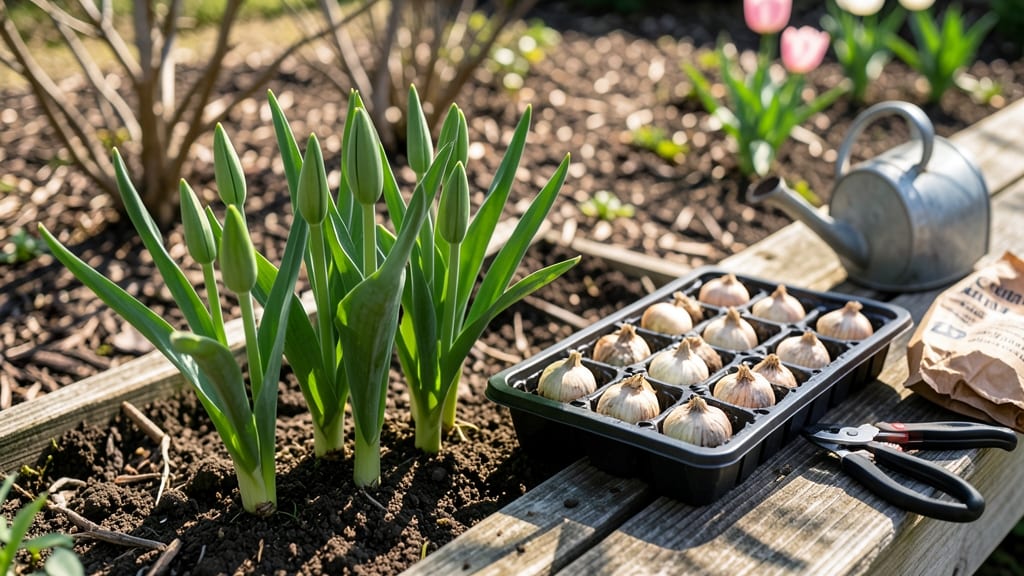
This timing aligns with nature's cues—soil temperatures above 50°F and consistent frost-free nights signal it's safe to plant. 🌱 For example, cool-season crops like spinach thrive when planted 4-6 weeks before the last frost, while tomatoes need warm soil (at least 60°F) to germinate properly.
Checking your USDA Plant Hardiness Zone (1-11) helps narrow down your exact window, as Zone 5 gardeners might wait until late April, while Zone 9 gardeners can start in January.
What's fascinating is how microclimates complicate these general rules. A backyard near a brick wall may warm up faster than the surrounding area, allowing for earlier planting. Conversely, high-altitude gardens in Zone 7 might face frost risks similar to Zone 5.
I always recommend monitoring local weather patterns and using frost-free date calculators for precise planning—because nothing ruins a gardening season faster than a surprise late frost!
💡 In This Article
- USDA Zone Planting Calendar by Region
- Climate-Specific Gardening Season Adjustments
USDA Zone planting calendar by region
The USDA Plant Hardiness Zone Map divides North America into 11 zones based on average annual minimum temperatures, but what truly dictates planting windows are frost-free dates and soil temperatures.
For example, Zone 3 (northern Minnesota, Maine) typically sees its last frost around May 15-30, while Zone 10 (southern Florida) may never experience frost.
Cool-season crops like lettuce and peas can often be planted 4-6 weeks before the last frost date, giving gardeners in Zone 3 a window starting in mid-April.
Warm-season plants like tomatoes and peppers require soil temperatures above 60°F to germinate, which usually occurs 2-4 weeks after the last frost. In Zone 5 (Chicago, Denver), this often means waiting until late May for warm-season planting, while Zone 8 (Atlanta, Dallas) can start as early as mid-March.
The USDA Interactive Map lets you pinpoint your exact zone and access historical frost data—just enter your ZIP code to see when your neighbors typically begin planting.
What most gardeners don't realize is how soil temperature differs from air temperature. A 50°F soil is ideal for cool-season crops, but warm-season plants need 60°F+—even if the air feels spring-like.
I always use a soil thermometer to verify before planting seeds, as cold soil can delay germination by weeks. For instance, in Zone 6 (Philadelphia, Madison), early March might feel warm, but soil temperatures often remain below 50°F until April.
Here's a quick reference for typical planting windows by zone:
- Zones 9-11 (Florida, Southern California): January-February for cool-season crops; March-April for warm-season
- Zones 7-8 (Atlanta, Dallas): February-March for cool-season; April-May for warm-season
- Zones 5-6 (Chicago, Denver): April-May for cool-season; May-June for warm-season
- Zones 3-4 (Minnesota, Maine): May for cool-season; June for warm-season
Pro tip: Use frost-free date calculators like the Old Farmer's Almanac's tool, which accounts for your location's 30-year average. These tools also predict first frost dates in fall, helping you plan your harvest schedule. 🌱