
Trees
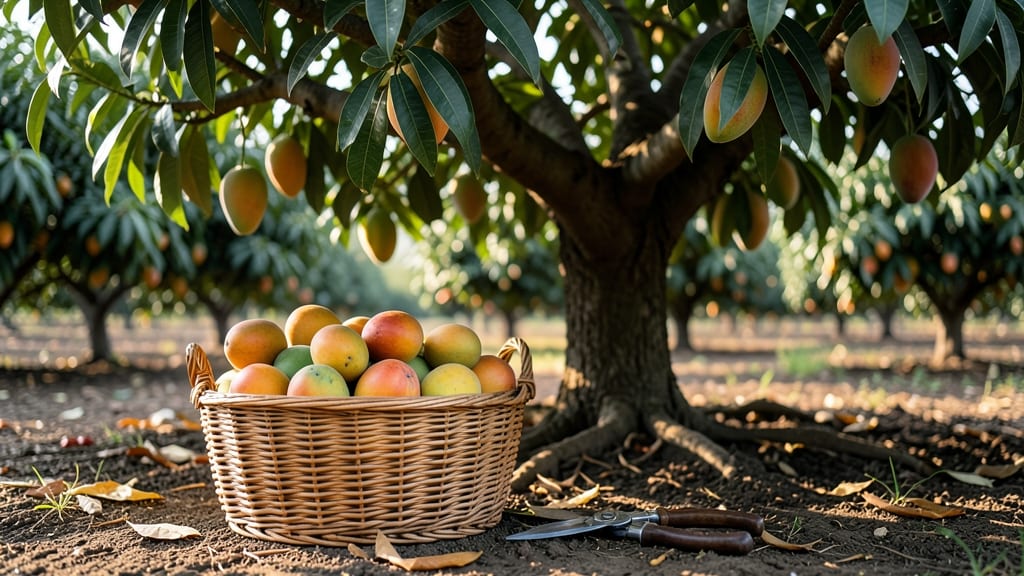
Your location determines the exact cutoff—Florida's tropical climate lets trees ripen later, while colder zones like Texas or California see earlier endings. 🌱 The transition happens gradually as daytime temperatures drop below 75°F, slowing sugar development.
I always check local farm stands in late August for the last flush of ripe mangoes, since grocery store selections often arrive before peak ripeness.
What's fascinating is how ripening works: mangoes produce ethylene gas internally, which triggers color changes from green to vibrant hues. When you spot that red-orange blush or golden yellow**, you're seeing the final stages of natural sweetening.
For best flavor, pick fruit that gives slightly when pressed—this indicates peak sugar content before the fruit becomes overripe.
💡 In This Article
- Mango Harvest Timeline by USDA Growing Zones
- How to Tell When Mangoes Are Fully Ripe Before Season Ends
Mango harvest timeline by USDA growing zones
The mango harvest calendar follows a clear geographical pattern tied to USDA hardiness zones. In tropical Zone 10-11 (Florida, Hawaii, southern California), trees continue producing ripe fruit until mid-to-late October when cooler air finally slows ethylene production—the hormone that triggers ripening.
These regions enjoy 180-210 frost-free days, allowing mangoes to mature over longer periods compared to northern areas.
In contrast, Zone 8-9 (Texas, Arizona, southern Georgia) typically sees harvests taper off by early-to-mid September as daytime temperatures dip below 78°F.
The key factor here is nighttime temperatures dropping into the 60s°F, which disrupts the plant's sugar conversion process. 🌡️ What's interesting is how this temperature shift affects different varieties—Alphonso mangoes (common in Florida) can linger on trees longer than Tommy Atkins (more common in Texas) due to their thicker skins that retain moisture better during cooler nights.
Here's how the transition works: as temperatures fall, chlorophyll breaks down faster in the fruit's skin, accelerating the shift from green to vibrant hues. The plant also reduces water uptake, concentrating sugars in the fruit.
This is why you'll often see grocery stores stocking up on firm but unripe mangoes in late August—these were harvested early to prevent overripening before reaching stores.
For home growers, the end of season is marked by leaf drop and reduced flowering in late fall. The trees essentially go into a semi-dormant state as they prepare for winter.
In Zone 10, some varieties like 'Keitt' may produce a second, smaller flush in late fall, but these rarely reach commercial ripeness before the first frost risk arrives.
The USDA's Plant Hardiness Zone Map shows these patterns clearly—each zone's end date correlates with its last average frost date. For example, Miami (Zone 10B) has a 300-day growing season, while Dallas (Zone 8A) only gets 220 days.
This explains why Florida mangoes stay sweeter longer—they have more time to develop complex sugars in the warmer climate.
What most people don't realize is that commercial growers actually harvest mangoes green and use controlled ethylene exposure to ripen them post-harvest.
This means the fruit you buy in late September might have been picked in mid-August and artificially ripened—hence why they often lack the peak flavor of vine-ripened fruit from the last harvest wave.