
Plants
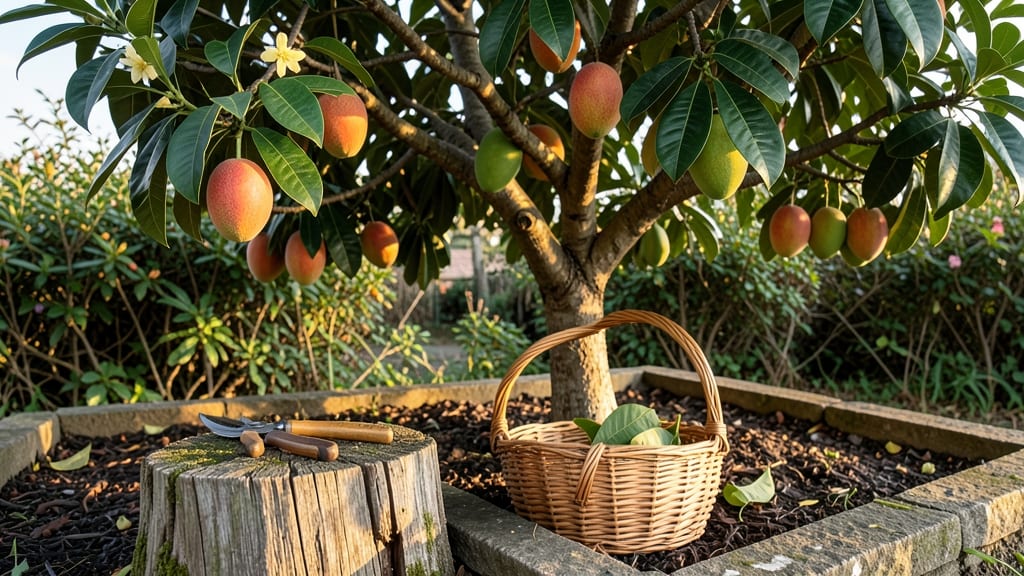
Mango season starts when the fruit ripens in your region—typically late spring through summer in the Northern Hemisphere, with Southern Hemisphere harvests peaking in winter.
If you’ve ever bitten into a perfectly ripe mango and wondered how to track down the sweetest, juiciest varieties year-round, timing is everything—because mango season isn’t the same everywhere.
In Florida and California, you’ll find peak harvests from May to August, while India’s famous Alphonso mangoes flood markets between June and September. Meanwhile, Southeast Asia enjoys a longer season, with varieties like Tommy Atkins ripening from March to October.
Below, I break down the exact months by region, how to spot a ripe mango, and tips to extend freshness so you can savor that tropical sweetness all season long.
Mango season start dates by major growing region in 2024
Timing is everything when it comes to enjoying peak-season mangoes, and the harvest windows vary dramatically across regions.
Whether you're in Florida’s subtropical climate or India’s tropical heartland, knowing when to expect the juiciest varieties ensures you never miss out. Temperature, rainfall patterns, and variety-specific growth cycles all play critical roles in determining when mangoes ripen.
Let’s break down the exact months for each major growing region in 2024.
For gardeners and fruit enthusiasts, understanding these seasonal shifts helps plan purchases, storage strategies, and even homegrown mango cultivation in suitable climates. Florida’s early varieties often kick off the season in May, while India’s legendary Alphonso mangoes don’t peak until July-August.
Meanwhile, Mexico and Southeast Asia offer year-round availability, with distinct peaks in spring and summer. Let’s dive into the specifics.
🌱
| Region | Peak Season Start | Key Varieties | Climate Factors |
|---|---|---|---|
| Florida, USA | Late May - Early June | Haden, Tommy Atkins, Keitt | Warm winters, humidity, early blooming |
| California, USA | Mid-June - July | Cogshall, Julie, Nam Dok Mai | Coastal microclimates, irrigation-dependent |
| India (Maharashtra) | Late June - Early July | Alphonso, Dasheri, Ratna | Monsoon rains trigger ripening |
| Mexico (Sinaloa) | April - May | Ataulfo, Tommy Atkins, Kent | Dry heat, early flowering |
| Southeast Asia (Thailand) | Year-round (Peak: Oct-Feb) | Okrong, Nam Dok Mai, Chok Anan | Tropical climate, consistent warmth |
In Florida, the season typically begins in late May with early varieties like Haden mangoes, while California’s coastal regions see their first harvests in mid-June, thanks to microclimates that extend the growing season.
The key difference between these regions lies in temperature fluctuations—Florida’s humidity accelerates ripening, while California relies on precise irrigation schedules.
Over in India, the Alphonso mango—often called the "king of mangoes"—reaches its peak in July, driven by the onset of monsoon rains. These rains aren’t just for show; they trigger hormonal changes in the trees that signal fruit maturity.
Meanwhile, Mexico’s Sinaloa region kicks off its season as early as April, with varieties like Ataulfo (the "creama" mango) becoming available first.
For those in Southeast Asia, mango season is almost year-round, though October to February marks the peak. Thailand, in particular, benefits from a consistent tropical climate, allowing for multiple harvests annually.
This region’s variety diversity is unmatched, with everything from sweet Okrong to fibrous Chok Anan available at different times.
If you’re planning to grow mangoes at home in a suitable climate (like USDA Zones 10-12), timing your fertilizer applications and watering schedules around these regional peaks can help synchronize your tree’s flowering and fruiting cycles.
For example, heavy feeding in spring encourages blooms that align with natural seasonal patterns.
One critical factor often overlooked is pollination. Many mango varieties require cross-pollination between different trees, which is why commercial growers often plant multiple varieties together. In home gardens, this means planting at least two compatible mango trees to ensure fruit set.
Without proper pollination, you might end up with fewer mangoes or none at all.
For those outside traditional growing regions, storage tips become essential. Ripe mangoes last about 3-5 days at room temperature, but you can extend their shelf life by refrigerating unripe ones and letting them ripen gradually.
If you’re stocking up during peak season, freezing mango puree is a great way to enjoy them year-round—just be sure to blanch and peel them first for best results.
🌿
How to identify the best mango varieties for each season
Mango season delivers a symphony of flavors, but not all varieties ripen at the same time. Alphonso mangoes, known as the "King of Mangoes," peak in June-August in India, while Tommy Atkins dominate U.S. markets from May-September.
Each variety has unique ripening cues—understanding them ensures you never miss peak sweetness. Start by recognizing the color shifts that signal ripeness, like the golden blush of Ataulfo or the deep red blush of Keitt mangoes.
Beyond color, your senses are your best tools. A ripe mango emits a sweet, tropical aroma near the stem—almost like a mix of peaches and citrus. Gently press the fruit: it should yield slightly, like a ripe avocado, but not feel mushy.
For Haden or Kent varieties, this "give" is especially noticeable. If the mango feels rock-hard or the scent is faint, it’s not ready yet. Pro tip: Never refrigerate unripe mangoes—they’ll never ripen properly.
Here’s how to match the right variety to the season and your taste preferences:
Seasonal Variety
Best for peak flavor
Ripeness Test
How to pick it
Flavor Profile
Sweetness & texture
June-August
Sweet scent, slight give
Juicy, fibrous
May-September
Firm but yielding
Dense, firm flesh
March-May
Very soft, fragrant
Ultra-sweet, melts
July-September
Firm, slight dimple
Fibrous, juicy
For Ataulfo mangoes, which ripen earliest in the season, look for a uniform yellow color and a stem that pulls away easily—these are your cues for peak ripeness. Haden mangoes, popular in Florida, develop a red blush and a slight dimple at the stem end when ready.
If you’re unsure, buy slightly underripe mangoes and let them ripen at room temperature for 2-4 days in a paper bag with a banana or apple to speed up the process.
Once you’ve mastered the art of picking ripe mangoes, store them properly to extend their freshness. Place them in a cool, dry place (not the fridge) until fully ripe, then refrigerate for up to 5 days.
For cut mangoes, coat the flesh in lemon juice to prevent browning and store in an airtight container. The key to enjoying mango season year-round? Plan ahead—stock up on frozen mango puree during peak months for smoothies or desserts later in the year.
Don’t overlook local farmers' markets for the freshest picks. Vendors often know exactly which varieties are at their peak and can guide you on ripeness. For example, Florida’s Carrie mangoes ripen in late summer, while California’s Cogshall hits its prime in early fall.
By aligning your purchases with these seasonal windows, you’ll always enjoy mangoes at their juiciest and most flavorful.
🌱