
Container Gardens
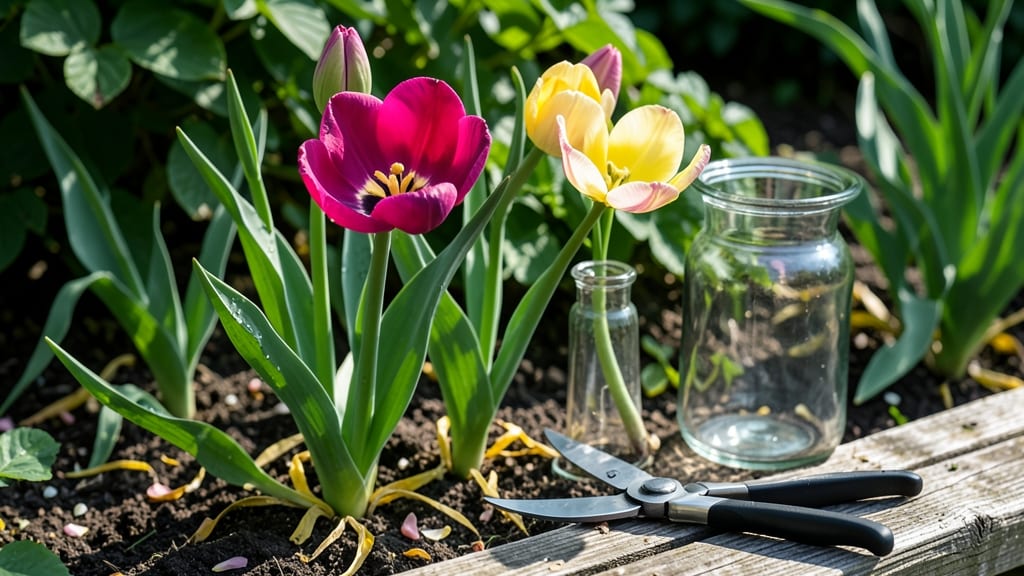
Tulip season ends between late May and early June, with colder northern regions (Zones 3-5) finishing by late May and warmer southern areas (Zones 6-10) lasting until early June—or even July for late-blooming varieties like Darwin hybrids or parrot tulips.
Tulip season's end depends on both your climate zone and the specific tulip types you're growing. 🌸 In colder zones, frost-sensitive blooms often wilt by late May, while milder southern climates can enjoy late varieties well into summer.
Darwin hybrids, known for their robust stems and large flowers, frequently extend the season by 2-3 weeks compared to early bloomers like Fosteriana tulips. This timing variation is why gardeners in Zones 6-10 sometimes see second flushes if they provide consistent moisture and balanced fertilizer.
For container gardeners, choosing the right varieties can make a big difference. 💫 Early bloomers like Emperor tulips peak in April, while late varieties like Parrot tulips may not finish until June or July.
The key is selecting a mix that aligns with your local frost dates and planting them in well-draining soil with plenty of sunlight. This way, you can enjoy tulips for a longer period without worrying about sudden temperature drops.
💡 In This Article
- How USDA Zones and Tulip Varieties Affect Bloom Duration
- Extending Tulip Season: Pruning, Deadheading, and Soil Care Tips
How USDA Zones and tulip varieties affect bloom duration
Tulip blooming cycles are primarily governed by temperature thresholds, with each USDA zone's average last frost date acting as the final cutoff.
In Zones 3-5, where winters average below -30°F, tulips often complete their life cycle by late May because the sudden temperature shifts after blooming trigger rapid foliage dieback.
The colder the zone, the shorter the season—some early varieties like Fosteriana tulips may bloom as early as April but finish by late May due to frost sensitivity. 🌸 In contrast, Zones 6-10 experience milder winters (above 0°F), allowing late bloomers like Darwin hybrids to extend the season until early June or even July.
The key difference lies in each variety's hardiness and bloom timing. Early tulips (e.g., Emperor or Greigii) typically bloom in 4-6 weeks after breaking dormancy, while late varieties (e.g., Parrot or Fringed tulips) take 8-10 weeks.
Darwin hybrids, known for their robust stems and large flowers, often bloom 2-3 weeks later than early types, which is why they dominate late-season displays. The science behind this is rooted in photoperiodism—the plants' internal clocks respond to daylight length, but temperature fluctuations accelerate or delay the process.
In colder zones, the abrupt shift from spring warmth to potential frost forces tulips to finish their cycle quickly.
For gardeners in Zones 6-10, the milder climate creates opportunities for second flushes. If you provide consistent moisture and a balanced fertilizer (like a 10-10-10 NPK ratio), some tulip varieties may produce a second, smaller bloom cycle later in the season.
This is particularly true for Darwin hybrids, which are bred for longevity. However, in Zones 3-5, the risk of early frost means tulips prioritize energy storage in their bulbs over reblooming, often resulting in a single, vibrant but short-lived display. 💫
Container gardeners can manipulate bloom timing slightly by choosing varieties suited to their microclimate. For example, planting Fosteriana tulips (which thrive in cooler conditions) in a shaded spot can delay their peak by 1-2 weeks, while positioning Parrot tulips in full sun may encourage earlier blooming.
The trade-off is that container-grown tulips often have shorter vase life due to limited root space, so selecting larger bulbs (12-16 cm in circumference) can help extend their display.
Another factor is soil temperature. Tulips need soil to warm to at least 50°F before blooming, but prolonged exposure to 70°F+ can stress them, causing early senescence.
In southern zones, this is why late June or July can still see tulip blooms—milder nights and gradual temperature changes allow the plants to stretch their season.
For northern gardeners, the opposite is true: a sudden cold snap in May can shock tulips into finishing prematurely, even if they haven't fully bloomed.
Consider this real-world example: In Zone 5, a garden might see Fosteriana tulips bloom in early May, peak in mid-May, and fade by late May, while Darwin hybrids planted nearby could bloom in late May and linger until early June.
The difference is 3-4 weeks of extended enjoyment, all thanks to the variety's genetic hardiness and the zone's temperature profile. 🌿