
Orchid Care
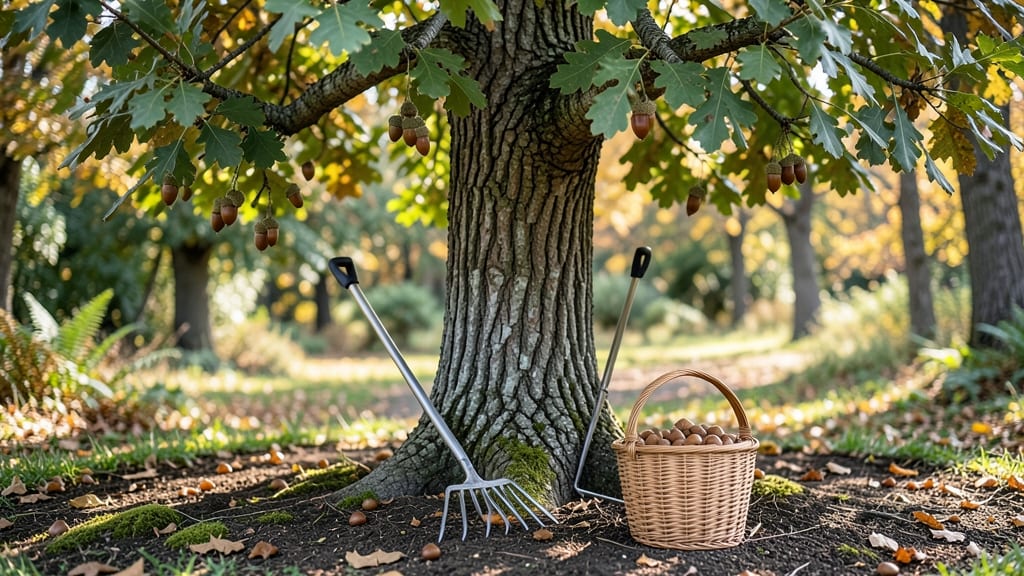
Acorn season runs from late summer through early fall—typically August to October in most temperate regions—with white oaks maturing later than red oaks. The best time to harvest is when acorn caps release easily and acorns drop naturally, ensuring peak flavor and viability for both culinary use and planting.
Timing your acorn harvest depends on both the oak species and your local climate. 🌳 White oaks, like the bur oak, take nearly twice as long to mature—up to 18 months—compared to red oaks, which ripen in about 12 months.
This delay explains why white oak acorns often appear later in the season and why they're prized for their lower tannin content, making them more palatable when properly prepared.
In northern states, you might start seeing acorns as early as September, while southern regions can extend the harvest into November, depending on frost patterns.
For the best results, I recommend checking your local oaks every few days once the season approaches. Look for acorns that fall easily when you gently shake the branches—they're ready for picking.
If you're foraging in urban areas, always verify the tree species first, as some ornamental oaks produce bitter acorns. Pro tip: Store harvested acorns in a cool, dry place to prevent mold, and leach the tannins by soaking them in water for 24-48 hours before cooking.
💡 In This Article
- Acorn Ripening Stages by Oak Tree Species
- Regional Acorn Harvest Timelines Across the U.S.
Acorn ripening stages by oak tree species
Acorn maturation is a fascinating biological process that varies dramatically between oak species. White oaks, including bur oak and white oak, require 18 months or more to fully ripen, while red oaks like northern red oak complete their cycle in about 12 months.
This difference stems from their genetic programming—white oaks prioritize seed viability over speed, producing fewer but more robust acorns with thicker shells and lower tannin levels. The longer maturation period allows tannins to break down naturally, resulting in a sweeter, more palatable nut when properly prepared.
The tannin content in acorns serves as a natural defense mechanism against pests and predators. In red oaks, tannins remain high even when the acorn appears mature, making them bitter and inedible without extensive leaching.
White oak acorns, however, develop a more balanced flavor profile due to their extended ripening time. 🌰 For example, a fresh white oak acorn might contain 10-15% tannins, while a red oak acorn from the same tree could have 20-30% tannins—this is why white oaks are traditionally preferred for culinary use.
The key visual cue for maturity is the cap: when it detaches easily with a gentle twist, the acorn is ready for harvest.
Timing your harvest based on species is critical for both culinary and ecological reasons. White oak acorns often drop 4-6 weeks later than red oak acorns in the same region, which is why you'll see them lingering on trees well into October or even November.
This delayed ripening also affects wildlife—squirrels and other animals rely on the staggered availability of food sources. For foragers, this means planning separate harvests if you're working with mixed oak forests.
The flavor difference is noticeable too: properly prepared white oak acorns have a caramel-like sweetness, while red oaks develop a more earthy, almost chestnut-like taste when processed correctly.
What most people don't realize is that acorn ripening isn't just about time—it's also about environmental cues. Oak trees use a combination of daylight hours and temperature shifts to trigger maturation.
In northern climates, this process often aligns with the first 30-40°F temperature drops in autumn, while southern regions may see acorns ripen in response to earlier frost warnings. This biological clock explains why acorn seasons can vary by 2-3 weeks between neighboring states with different microclimates.
For example, acorns in the Pacific Northwest might start dropping in early September, while those in the Appalachians could wait until mid-October.
For those interested in planting acorns, timing is equally crucial. Acorns harvested too early (when caps don't release easily) have lower germination rates because their internal development isn't complete. The ideal acorn for planting should be plump, firm, and free of cracks, with a cap that separates cleanly.
Store them in a cool, moist environment (around 40°F)** for 3-4 months to simulate winter conditions—a process called stratification—that breaks dormancy and improves germination success rates to 70-80% compared to 30-40% for immediately planted acorns.
The biological process extends beyond just the acorn itself—it involves the entire tree's energy allocation. Oak trees invest significant resources into acorn production, with some species producing thousands of acorns per season, though only a fraction will mature properly.
This resource-intensive process is why oak trees often exhibit mast years—cycles where they produce exceptionally large acorn crops every 2-10 years. These boom years are synchronized across tree populations to overwhelm predators and ensure some acorns survive to become new trees.
Understanding this cycle helps foragers predict particularly bountiful harvest years in their region.