
Vegetables
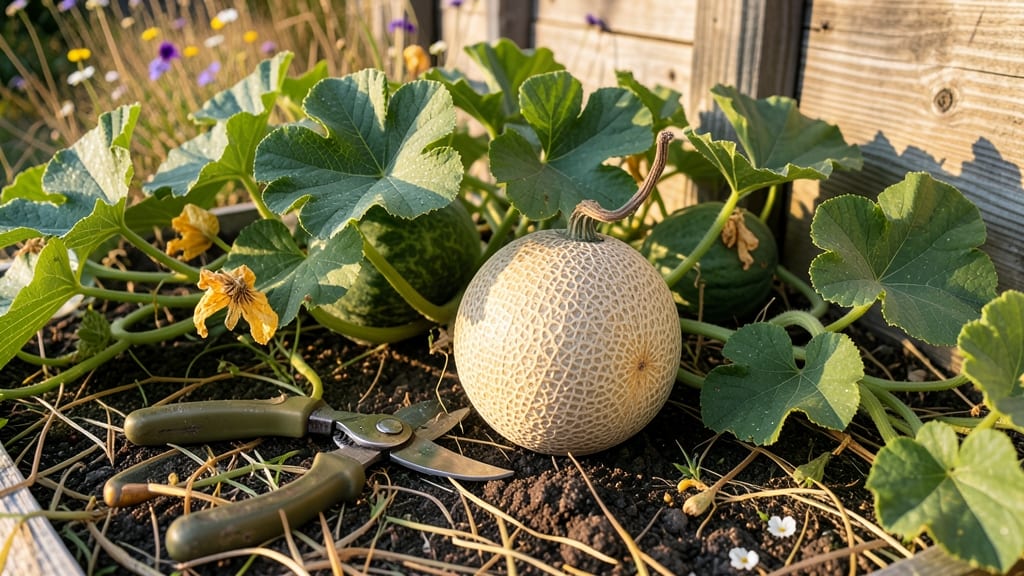
Cantaloupe ripens in season between July and August 🍈, when the sweetest, juiciest fruits hit grocery shelves and farmers' markets across the U.S.
If you’ve ever bitten into a perfectly ripe cantaloupe only to wonder how to time your grocery trips for the sweetest, most flavorful harvest, you’re not alone—seasonal timing makes all the difference.
In USDA Zone 6a, where spring planting kicks off in April, gardeners can expect their homegrown cantaloupe to mature just in time for peak summer eating. But regional climates shift those windows—California’s warm winters mean earlier harvests, while northern states may wait until late July or August.
Whether you’re stocking up fresh or planning your own garden, I’ll break down the best months to find cantaloupe, how to spot ripe fruit year-round, and even how to extend your harvest with storage tricks.
Cantaloupe season by USDA hardiness Zones: when to expect peak ripeness
Timing your cantaloupe harvest depends heavily on your USDA hardiness zone. In warmer climates like Zones 9-11, cantaloupes thrive year-round, while cooler Zones 3-5 experience short, intense seasons.
Understanding these patterns helps you plan for grocery runs or home gardens to enjoy the sweetest, juiciest fruit at its peak.
Cantaloupes need 70-90 frost-free days to mature, making early spring planting critical in northern regions. Meanwhile, southern growers can extend harvests into fall. Let’s break down the best months for cantaloupe season across all zones, including regional quirks like California’s year-round production or the Midwest’s brief summer window.
| USDA Zone | Planting Window | Peak Harvest Months | Regional Notes |
|---|---|---|---|
| Zones 3-5 | Late May - Early June | July - Early August | Short season; use fast-maturing varieties like 'Athena'. |
| Zones 6-7 | Mid-April - May | June - August | Midwest growers benefit from extended summer heat. |
| Zones 8-9 | March - April | May - September | Southern states like Georgia see fall harvests. |
| Zones 10-11 | Year-round (successive plantings) | April - November | California and Arizona produce cantaloupes commercially year-round. |
In Zones 3-5, where summers are short, cantaloupes are a summer staple with harvests concentrated in July and August. Gardeners here must choose fast-maturing varieties like 'Athena' or 'Tasty Jewel' to beat early frosts.
Planting too late risks immature fruit, while early starts ensure vines establish before heat peaks.
Gardeners in Zones 6-7 enjoy a longer window, from June through August, thanks to warmer summers. This zone benefits from succession planting: start seeds every 2 weeks in May to stagger harvests.
The Midwest’s humidity also means extra vigilance against powdery mildew, so spacing vines 3-4 feet apart improves airflow.
Warmer Zones 8-9 push cantaloupe season into fall harvests, with some varieties like 'Hale’s Best' ripening as late as September or October. Southern states like Florida and Texas can even find cantaloupes in winter farmers' markets, though these are often imported varieties like 'Caravelle' grown in greenhouses.
For Zones 10-11, cantaloupes are a year-round possibility. California’s Central Valley, for example, supplies 60% of U.S. cantaloupes, with peak seasons from April to November.
Home gardeners here can plant successive crops every 2 months to enjoy fresh fruit year-round, though heat stress in summer may require shade cloth.
Regional quirks matter too: California’s desert zones (like Zone 10) produce cantaloupes in spring and fall, avoiding summer’s extreme heat. Meanwhile, Florida’s humid climate favors resistant varieties like 'Caravelle' to prevent rot. Even within zones, microclimates—like urban heat islands—can shift harvest windows by 2-3 weeks.
Pro tip: Track your last frost date and count backward 75-90 days to determine planting time. For example, if your last frost is April 15, plant by January 15 in Zone 8. Use black plastic mulch to warm soil faster in cooler zones, speeding up growth.
If you miss the fresh harvest window, don’t despair—frozen or dried cantaloupe retains flavor, though texture softens. For home gardeners, greenhouse growing in Zones 3-7 can extend seasons by 4-6 weeks, while container gardening lets you move plants to sunniest spots as seasons shift.
Plan ahead by marking your cantaloupe season on a garden calendar. Whether you’re a Midwest homesteader or a California urban gardener, knowing your zone’s rhythm ensures you’ll always have the sweetest, most flavorful cantaloupe at your fingertips. 🍈
How to identify perfectly ripe cantaloupe: seasonal tips for grocery stores and home gardens
Nothing beats the first bite of a perfectly ripe cantaloupe, but identifying it at the grocery store or in your garden can feel like a guessing game. The key lies in understanding seasonal flavor differences and visual cues that change with the time of year.
Summer cantaloupes tend to be sweeter and more aromatic, while late-season varieties might need extra attention to ripen properly.
For grocery shoppers, timing your purchases around peak cantaloupe season (typically June through August in most U.S. regions) ensures the juiciest fruit. But even outside these months, you can still find ripe cantaloupes with the right knowledge.
Home gardeners have an advantage—they can control ripening conditions entirely, but they must also account for local frost dates and growing seasons.
🌱 When Is Cantaloupe in Season?
- 📅 Peak Season: June-August (varies by USDA zone)
- 🌡️ Warmest Months: July-August (best flavor and sweetness)
- 🌱 Early Varieties: May-June (cooler climates, shorter seasons)
- 🌿 Late Varieties: September-October (extended harvest in warm zones)
- ❄️ Avoid Frost: Stop planting 4-6 weeks before first frost
At the grocery store, prioritize cantaloupes with a tan or creamy yellow stem end—this is your best indicator of ripeness. The skin should also yield slightly when pressed with your thumb, but not feel mushy.
A ripe cantaloupe will also emit a sweet, floral aroma near the stem, especially in summer months when flavors peak.
Home gardeners should harvest cantaloupes when they slip easily from the vine and the rind changes from white to a creamy yellow hue. In cooler climates, you might need to extend the season by choosing early-maturing varieties or using black plastic mulch to warm the soil.
This helps push harvest dates slightly earlier in the year.
To extend freshness, store cantaloupes at room temperature until fully ripe, then refrigerate for up to a week. For long-term storage, consider freezing the flesh or making cantaloupe puree.
If you're growing your own, plant seeds after the last frost in well-draining soil with full sun exposure—this ensures the best flavor and ripening conditions.
Seasonal flavor matters too! Cantaloupes harvested in peak summer heat develop more natural sugars, while those from cooler months may need extra time to ripen. Pay attention to these cues, and you’ll always enjoy cantaloupe at its best, whether from the store or your garden. 🍈