
Planting
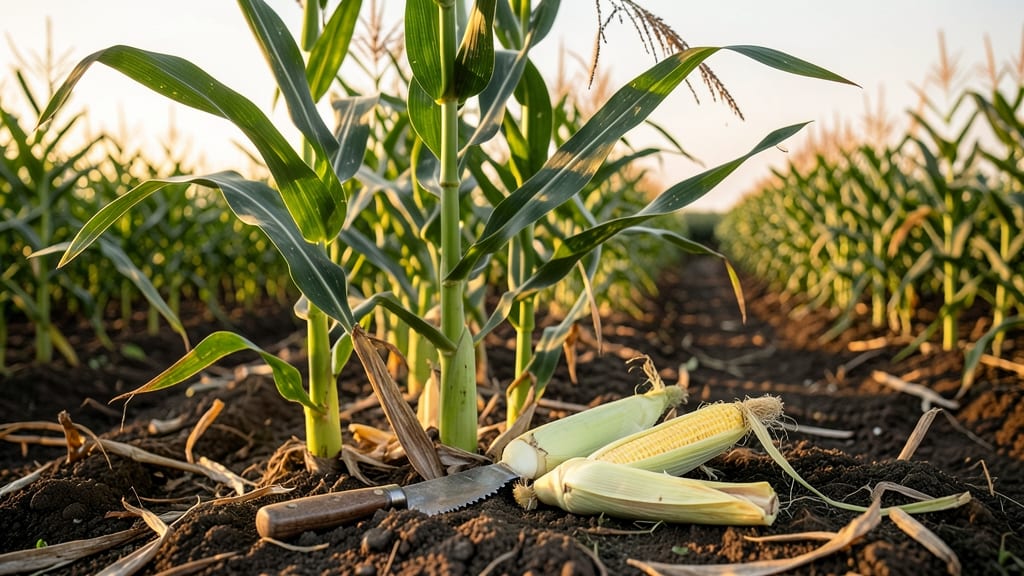
Corn season in Florida runs from late spring through early fall, peaking between May and September, with sweet corn varieties thriving in the state’s warm climate. Southern regions like Miami harvest earlier, while northern areas near Gainesville extend the season slightly longer.
Florida’s corn season stretches from late spring to early fall because the state’s warm, humid climate creates ideal growing conditions for sweet corn varieties. 🌽 The peak harvest months—May through September—align with Florida’s two main growing zones: the southern coastal areas (like Miami-Dade) kick off earlier due to their longer frost-free periods, while inland regions (such as Gainesville) enjoy slightly cooler nights that delay ripening.
This regional variation means you can find fresh corn at farmers' markets almost year-round, though the sweetest, most abundant harvests happen during summer.
What makes Florida’s corn season unique is how quickly corn matures here compared to cooler climates. Most varieties reach harvestable size in just 60-90 days, meaning gardeners can plant multiple crops per season.
The state’s sandy soil and abundant rainfall also reduce the need for irrigation, making it easier for both commercial farms and home growers to produce high-quality ears.
If you’re planning to grow your own, aim for late March or early April plantings in northern Florida and February in the south for the best results.
💡 In This Article
- Florida Corn Season: Climate and Variety Factors
- Best Florida Counties for Fresh Corn Harvests
Florida corn season: climate and variety factors
Florida’s corn thrives because its subtropical climate—with warm days (80-90°F) and humid air—creates perfect conditions for rapid growth. Sweet corn varieties like 'Silver Queen' or 'Peaches and Cream' mature in just 60-75 days, while field corn (used for animal feed) takes 90-120 days.
The key difference? Sweet corn prioritizes sugar content over starch, making it more sensitive to temperature swings. In Florida’s heat, ears can develop a starchy, less sweet flavor if not harvested at the right moisture level (typically 70-75% kernel moisture).
The state’s humidity—often 70-90% relative humidity—also plays a role. While beneficial for growth, excessive moisture can lead to fungal diseases like corn smut or ear rot if not managed. Florida farmers use drip irrigation and fungicides to balance hydration without over-saturating plants.
Northern Florida’s slightly cooler nights (dropping to 65-70°F) slow sugar conversion, extending the harvest window compared to Miami’s 75-80°F nighttime temps, which accelerate ripening.
Regional microclimates create distinct planting windows. In South Florida (Zone 10), gardeners plant as early as January-February for spring harvests, while North Florida (Zone 8-9) waits until March-April to avoid frost. The state’s frost-free period—240-300 days depending on location—allows for multiple plantings.
For home growers, succession planting every 2-3 weeks ensures a continuous supply, unlike cooler climates where single-season harvests are typical.
Sweet corn’s flavor peaks when kernels are ¾ inch in diameter and silks turn brown. In Florida’s heat, this happens 10-14 days earlier than in northern states. The state’s sandy soil drains quickly, preventing waterlogged roots that can dilute flavor.
This combination of climate, soil, and variety selection is why Florida’s corn tastes sweeter and fresher than out-of-season imports, even when harvested in peak summer months.
What most people overlook is how Florida’s corn varieties adapt to local pests. The fall armyworm, a major threat, is managed through Bt corn (genetically modified to resist pests) and crop rotation.
Without these adaptations, Florida’s corn yields would drop by 30-40%. The result? A harvest that’s not just abundant but consistently high-quality, even during peak summer heat.
For the best flavor, look for ears with bright green husks and kernels that dent slightly when pressed. Florida’s corn season rewards quick action—ears can go from perfect to starchy in 24 hours in summer heat.
This urgency is why local farmers' markets see corn flying off shelves by mid-morning during peak season.