
Orchid Care
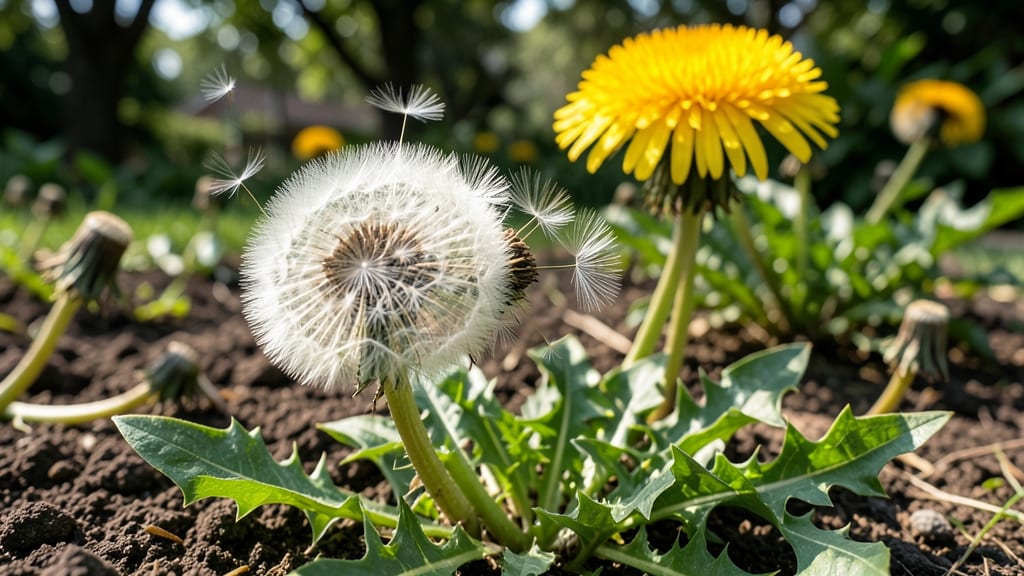
Dandelion season peaks in late winter through early spring, typically from February to April, though blooms may extend into May in warmer climates. Cooler regions see earlier blooms, while southern areas experience staggered flowering into summer.
Dandelions are nature's early bloomers, thriving when temperatures hover between 40°F and 65°F. 🌱 Their resilience lets them push through frost, making them one of the first plants to brighten gardens after winter.
In my experience, northern states often see peak blooms by March, while southern gardens may enjoy them well into June—especially in areas with mild winters. The key difference?
Daylight exposure: dandelions need at least 6-8 hours of sunlight daily to trigger flowering, which explains why urban sidewalks and open fields bloom earlier than shaded yards.
What many gardeners don't realize is that dandelions actually produce two types of blooms: the familiar bright yellow flowers we see in spring, and smaller, less noticeable ones later in the season. This dual-flowering habit means you might spot them sporadically throughout summer if conditions are right.
For those wanting to extend their dandelion season, consistent watering and well-draining soil work wonders—just avoid overwatering, as soggy roots can stunt growth.
💡 In This Article
- How Climate and Region Affect Dandelion Bloom Timing
- Tips for Encouraging Early or Extended Dandelion Blooms
How climate and region affect dandelion bloom timing
Dandelions (Taraxacum officinale) are master adaptors, using a biological process called vernalization—a cold-induced flowering response—to time their blooms. When exposed to temperatures between 32°F and 45°F for 4-6 weeks, their genetic programming shifts from vegetative growth to flower production.
This explains why northern climates like Minnesota or Maine often see peak blooms as early as late February to March, while southern states like Texas or Florida may experience staggered flowering from January through May. The difference?
Warmer regions lack the prolonged cold snap needed to trigger vernalization, resulting in more gradual, extended blooming.
Daylight exposure plays an equally critical role. Dandelions are long-day plants, meaning they require 12-14 hours of daylight to initiate flowering. In northern latitudes, increasing daylight in late winter (from 9 hours in December to 14+ hours by June) acts like a natural switch, signaling blooms.
Coastal areas, however, experience milder winters and often see blooms 2-3 weeks later than inland regions due to moderating ocean temperatures. For example, San Francisco's coastal fog can delay blooms until late March, while inland Sacramento may see them by February. 🌿
Soil temperature and moisture also influence timing. Dandelion roots thrive when soil stays between 40°F and 60°F—too cold, and growth stalls; too warm, and they may bolt prematurely.
In drought-prone areas like Arizona, blooms often peak after winter rains, while consistently moist regions like the Pacific Northwest may see prolonged flowering. The plant's deep taproot (reaching 10-15 inches) allows it to access groundwater, but excessive moisture can lead to fungal issues, cutting bloom cycles short.
Microclimates create even more variation. Urban sidewalks, for instance, may bloom 1-2 weeks earlier than shaded backyard gardens due to heat absorption from concrete. Similarly, south-facing slopes receive 30-50% more sunlight than north-facing areas, accelerating blooms by 10-14 days.
Gardeners in transitional zones (like the Mid-Atlantic) often notice two bloom cycles: one in early spring and a smaller one in fall, triggered by cooler temperatures and shorter days.
What most people overlook is how altitude affects timing. At elevations above 5,000 feet, like in Colorado or the Appalachians, dandelions may bloom 3-4 weeks later due to cooler air and shorter growing seasons.
The thinner atmosphere at high altitudes also means UV exposure is higher, which can stress plants and delay flowering. Conversely, low-lying areas like Florida's Everglades may see blooms year-round in ideal conditions, though they're often less vibrant due to heat stress.
For those tracking blooms, note that dandelions in USDA Hardiness Zones 3-5 (northern U.S./Canada) typically follow a March-April peak, while Zones 6-8 (southeastern U.S.) stretch from February to May. Zones 9-11 (southwest/southern California) can have blooms in winter and fall, though they're often less prolific.
This regional diversity is why dandelions are such reliable indicators of seasonal change—whether you're in a frost-prone valley or a sun-drenched desert.