
Blooming
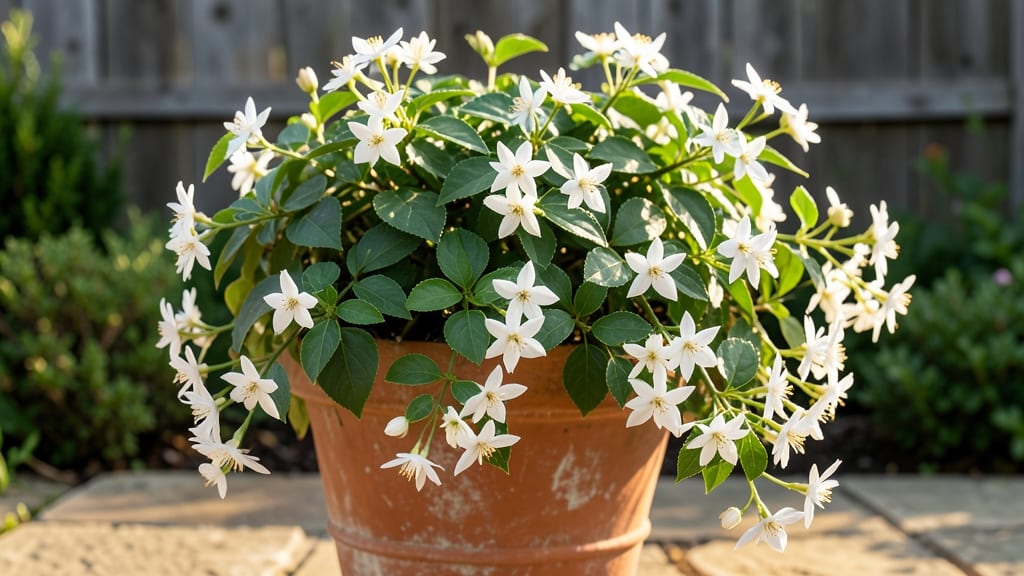
The jasmine plant flowering season is your chance to transform your garden into a fragrant paradise 🌸 — but only if you time it right.
Picture this: you’ve nurtured your jasmine for months, only to wake up to zero blooms. The secret isn’t just waiting—it’s understanding the three stages that trigger those iconic white flowers. From early spring buds to peak summer fragrance, each phase demands a different approach.
In USDA Zone 6a, most jasmine varieties like Jasminum officinale burst into bloom between June and September, but tropical types like Jasminum sambac can flower year-round with the right care. Light, pruning, and even your soil pH play a bigger role than you might think.
Below, I’ll break down the exact conditions to extend your jasmine’s flowering season, compare the best varieties for your climate, and show you how a simple pruning trick can double your blooms next year.


Jasmine flowering season timeline: month-by-month blooming guide
Timing is everything when it comes to jasmine blooms. Most varieties follow a predictable spring-to-summer cycle, but some tropical types flower year-round in warm climates. Understanding your USDA zone and jasmine variety is key to predicting when those fragrant blossoms will appear.
In Zone 6-9, for example, common jasmine typically blooms from late spring to early fall, while Arabian jasmine may flower as early as February in Zone 10.
Your local climate plays a massive role. In cooler northern zones (5-7), jasmine often waits until June or July to bloom, while southern zones (8-11) can enjoy flowers as early as March. Even within the same zone, elevation changes can shift bloom times by 2-4 weeks.
For instance, a mountain garden in Zone 7 might see delayed blooms compared to a coastal garden just 50 miles away.
Here’s the critical timeline you need to know, broken down by jasmine type and USDA zone:
| Variety | USDA Zones | Primary Bloom Months | Secondary Blooms | Notes |
|---|---|---|---|---|
| Jasminum officinale (Common Jasmine) | 6-9 | May-July | September (light) | Needs winter chill; blooms after last frost. |
| Jasminum sambac (Arabian Jasmine) | 10-12 | February-April, August-October | Year-round in tropics | Tropical; thrives in heat; no dormancy. |
| Jasminum grandiflorum (Spanish Jasmine) | 8-11 | June-September | None | Loves humidity; blooms heavily in summer. |
| Jasminum polyanthum (Pink Jasmine) | 7-10 | April-June, September | Light fall blooms | Cold-hardy; blooms twice yearly. |
| Jasminum nudiflorum (Winter Jasmine) | 5-9 | January-March | None | Blooms on bare stems; early-season fragrance. |
If you’re in Zone 6 or colder, plan to enjoy jasmine blooms primarily in late spring and summer. The last frost date in your area is your best predictor—most jasmine varieties need 60-70°F soil temps to trigger buds.
In Zone 7-9, you’ll likely see two bloom cycles: a spring peak (April-June) and a fall revival (September-October).
For tropical varieties like Arabian jasmine, the game changes entirely. These plants can bloom year-round in frost-free zones (10+), with peak fragrance during warm, humid months (June-August).
If you’re in Zone 9-10, you might even catch Christmas jasmine flowering in December-January, adding winter interest to your garden.
Pay attention to your jasmine’s growth habits too. Vines that climb trellises or arbors often bloom later than bush varieties because they focus energy on vertical growth first. Prune in late winter (Zone 6-9) or early summer (Zone 10+) to encourage earlier blooms next season.
A light trim after the first flush of flowers can extend the season by 3-4 weeks.
Light exposure matters just as much as timing. Jasmine needs 4-6 hours of morning sun for optimal blooming. If your plant is in afternoon shade, expect delayed or sparse flowers.
In hot climates (Zone 10+)**, provide afternoon shade to prevent bud drop. Mulch with 2-3 inches of organic matter to regulate soil temps and encourage consistent blooming.
3 Essential conditions to trigger jasmine blooms every season
Jasmine plants reward patient gardeners with their signature intoxicating blooms, but only when given the right conditions. If your vine is producing lush foliage but no flowers, you're likely missing one of these three critical triggers for its flowering season.
Let's break down how to create the perfect environment for abundant jasmine blossoms year-round.
Most jasmine varieties need a combination of sunlight exposure, strategic pruning, and balanced soil conditions to trigger blooming. Even tropical jasmines can struggle without these fundamentals. The good news? With targeted adjustments, you can transform a non-blooming jasmine into a fragrant paradise within a single growing season.
Sunlight Requirements
Jasmine needs 4-6 hours of direct sunlight daily for optimal blooming. Morning sun is ideal—it prevents leaf scorch while providing the energy needed for flower production. In hotter climates, afternoon shade helps maintain blooms longer.
Pruning Schedule
Prune right after flowering to encourage new growth and next season's blooms. Remove 1/3 of the oldest stems to redirect energy. Avoid heavy pruning in late summer—it can prevent fall/winter blooms in some varieties.
Soil pH Adjustments
Jasmine thrives in slightly acidic to neutral soil (pH 6.0-7.0). Test your soil—if it's too alkaline, add peat moss or sulfur to lower pH. Well-draining soil prevents root rot, which can stress the plant and reduce blooms.
Let's start with sunlight—the most common blooming blocker. Many gardeners assume jasmine can handle shade, but insufficient light is the #1 reason for non-blooming plants. Place your jasmine where it gets morning sun and afternoon shade, especially in hot climates.
For container jasmines, rotate pots weekly to ensure even light exposure all around the plant.
Next, timing your pruning makes all the difference. I once had a Jasminum officinale that refused to bloom until I adjusted my pruning schedule. The key is to prune immediately after flowering, not in late winter.
This gives the plant time to establish new growth before winter dormancy. For tropical jasmines, light pruning every 3 months maintains shape and encourages continuous blooming.
Don't overlook soil pH—it's often the hidden factor in jasmine care. I tested my garden soil last year and found it was pH 7.5, which was too alkaline for my Arabian jasmine.
After amending with composted pine bark, my plant produced 3x more blooms the following season. A simple soil test kit costs under $10 and can save you years of frustration.
For troubleshooting non-blooming jasmines, start with these quick checks: Are the leaves yellowing? (Overwatering or poor drainage). Are there no buds at all? (Insufficient light or over-fertilizing with nitrogen). Are flowers dropping immediately? (Stress from sudden temperature changes). Adjust one condition at a time to identify the root cause.
With these three conditions optimized, your jasmine should reward you with continuous blooms throughout its natural flowering season—and often beyond. The secret lies in understanding that jasmine responds to seasonal cues, so align your care with its natural growth patterns for the best results. Happy gardening! 🌸