
Picking
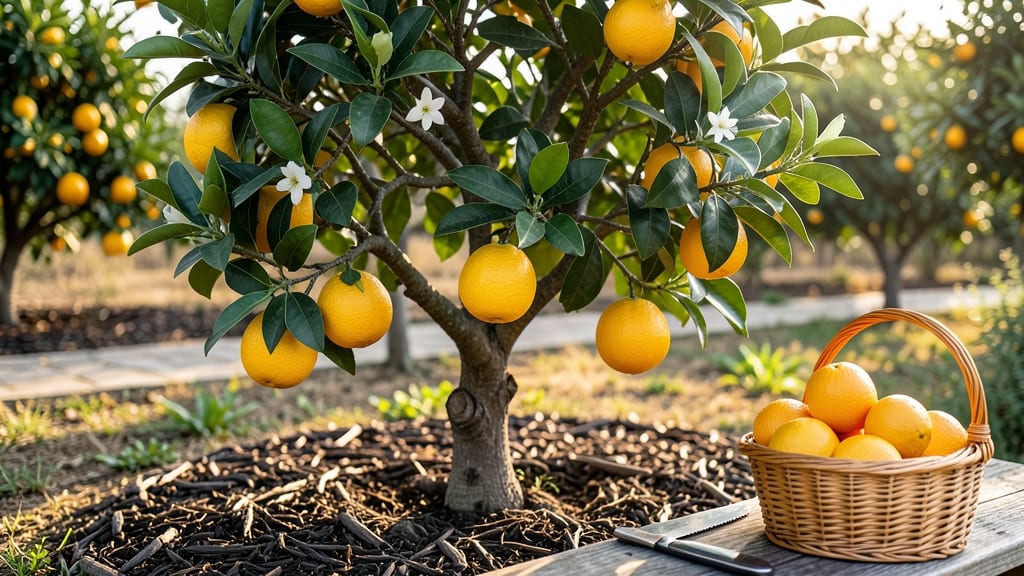
California’s grapefruit season runs from October through January—the sweetest months for Ruby Red, White, and Pink varieties, especially in the Central Valley and coastal regions like Riverside and San Diego.
Picture this: you’re at the farmers’ market in November, and the first Ruby Red grapefruits of the year are just hitting the stalls—deep red, juicy, and bursting with flavor. But miss that window, and you might end up with store-bought fruit that’s been sitting for weeks, losing its tangy punch.
Regional differences matter too. Coastal areas like Los Angeles and San Diego often see harvests stretch into March, while inland valleys like the Central Valley peak earlier. Varieties like White grapefruits tend to ripen first, followed by the sweeter Ruby Reds.
Below, I’ll break down the exact months for each variety, where to find the freshest picks, and how to tell when your home-grown grapefruit is truly ready to harvest—so you never miss a bite of that seasonal citrus magic again.
Grapefruit season in California: exact months by variety
California’s grapefruit harvest peaks between October and January, but the exact timing depends on the variety and region. Whether you’re growing your own tree or shopping for the freshest fruit, knowing these details helps you plan perfectly.
Southern California’s coastal areas and the Central Valley both produce grapefruit, but their seasons align slightly differently due to microclimates.
Ruby Red grapefruits, the most popular California-grown variety, typically ripen from late November to January. These deep red-fleshed fruits thrive in the Central Valley, where warm days and cool nights create ideal conditions.
Meanwhile, White grapefruits (like the classic 'White Marsh') often ripen a bit earlier, from October through December, making them the first to hit grocery shelves.
Pink grapefruits, such as the 'Pink Marsh' variety, usually follow Ruby Reds, peaking from December to February.
Their sweet-tart flavor makes them a favorite for juicing and fresh eating. Orange grapefruits, like the 'Star Ruby,' are rarer in California but share a similar season to Pinks, ripening from December to March in warmer inland regions.
| Variety | Peak Ripeness Months | Southern California (Coastal) | Central Valley (Inland) | Best For |
|---|---|---|---|---|
| Ruby Red | Nov–Jan | Late Nov–Dec | Dec–Jan | Juicing, fresh eating |
| White | Oct–Dec | Oct–Nov | Nov–Dec | Salads, sectioned fruit |
| Pink | Dec–Feb | Dec–Jan | Jan–Feb | Blending, fresh slices |
| Orange | Dec–Mar | Dec–Jan | Jan–Mar | Unique flavor profile |
The Central Valley, particularly Riverside and San Bernardino counties, produces the bulk of California’s grapefruit due to its ideal climate. Here, Ruby Reds and Pinks reach peak ripeness later than in coastal areas, thanks to warmer winters.
In contrast, Southern California’s coastal regions, like Ventura and Orange counties, experience milder winters, causing White and Ruby Red varieties to ripen earlier.
If you’re growing grapefruit at home, timing matters for fruit set. Trees bloom in late winter (February–March), and fruit takes 6–9 months to ripen.
For example, if you want Ruby Reds by January, plant dwarf varieties in fall and ensure they receive full sun and consistent water during their growing season.
Regional differences also affect storage life. Grapefruits from the Central Valley often stay fresher longer due to cooler nighttime temperatures, while coastal varieties may soften faster in humid conditions.
To extend their shelf life, store them at room temperature until fully ripe, then refrigerate for up to 2 weeks.
Pro tip: Visit local farmers' markets in December and January for the freshest Ruby Reds and Pinks. Vendors often share harvesting tips, like selecting fruit that feels heavy for its size and has a slightly yielding skin.
Avoid grapefruits with green patches or soft spots, as these indicate underripe or overripe fruit.
For gardeners, dwarf grapefruit trees (like 'Foster Improved') are perfect for home orchards. They produce fruit in 2–3 years and thrive in USDA Zones 9–11, matching California’s climate. Plant them in well-draining soil with 6+ hours of sun daily to ensure a bountiful harvest during your preferred season.
Whether you’re a home grower or a market shopper, timing your grapefruit enjoyment to these seasonal windows guarantees the sweetest, juiciest fruit California has to offer. Mark your calendar for late fall through winter
Best regions for grapefruit picking in California
California’s grapefruit orchards offer some of the sweetest, juiciest fruit in the U.S., but the best regions depend on timing and variety. If you’re planning a harvest trip or want to buy direct from growers, these areas deliver peak flavor from October through January.
Riverside and San Bernardino counties lead the state in production, while Ventura’s coastal microclimates extend the season slightly later.
For the most rewarding experience, visit during harvest peak months—typically November and December—when fruit is at its sweetest. Many farms offer U-pick options, letting you select ripe grapefruit while learning about care tips from experienced growers.
Whether you prefer Ruby Red or classic White grapefruit, these regions ensure a bountiful, flavorful harvest.
🌱 Top Grapefruit Picking Regions in California
-
Riverside County
📍 Murrieta, Temecula | 🍊 Oct–Jan | 🌳 Largest production
-
San Bernardino County
📍 Colton, Rialto | 🍊 Nov–Dec | 💧 Drier climate
-
Ventura County
📍 Ojai, Santa Paula | 🍊 Dec–Jan | 🌿 Cooler coastal air
-
San Diego County
📍 Carlsbad, Escondido | 🍊 Nov–Feb | 🌞 Extended season
When selecting ripe grapefruit, look for deep color (yellow, orange, or red) and a slight give when gently squeezed. A ripe fruit will also separate easily from the stem—this means it’s ready to eat or take home.
Avoid fruit with green patches or soft spots, as these indicate underripe or overripe conditions.
Many farms in these regions sell directly to consumers, often at lower prices than grocery stores. Popular spots include Temecula’s wine country orchards and Riverside’s family-owned groves, where you can also buy fresh-squeezed grapefruit juice.
Pack your bags and head out during harvest season for the freshest, most flavorful grapefruit California has to offer!
If you’re growing your own grapefruit tree, these regions’ climates are ideal for year-round production. Just ensure your tree gets full sun and well-draining soil to mimic the conditions of commercial orchards. With the right care, you could be harvesting your own grapefruit in just 2-3 years!