
Orchid Care
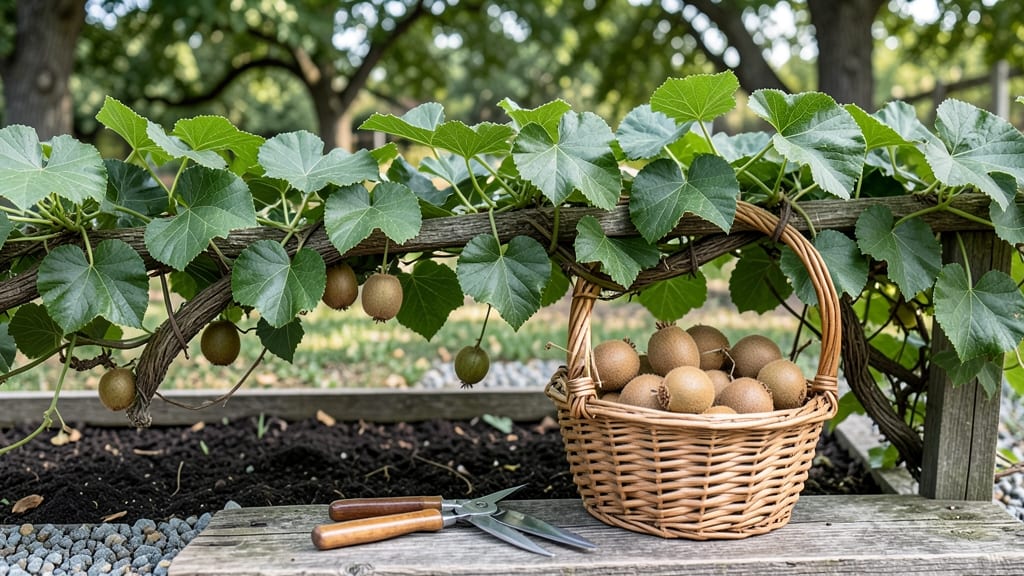
Kiwi season timing depends on your location and variety, with U.S. harvests running from late summer to early winter (August through December) for standard green kiwis, while New Zealand's gold and green varieties ripen from March to June. Tropical kiwis, meanwhile, stay available year-round in warmer regions.
Understanding kiwi season means looking at both climate and variety—each plays a key role in when you'll find the freshest fruit. 🌍 In the U.S., cooler northern climates see peak harvests from August through December, while southern states may enjoy slightly longer seasons due to milder winters.
The real secret lies in ethylene gas: kiwis ripen off the vine, so they're often harvested unripe and shipped to stores, meaning you can sometimes find them year-round but with varying quality.
New Zealand's opposite seasons flip the script completely—what's winter there (June-August) is summer in the U.S., so their harvests align with our off-season months.
Tropical kiwis, like those from Hawaii or Australia, thrive in warmer climates and can be harvested continuously, though they often lack the same sweetness as their temperate counterparts when grown outside their native zones.
💡 In This Article
- Kiwi Ripening Science and Regional Harvest Timelines
- Best Kiwi Varieties for Year-Round Availability
Kiwi ripening science and regional harvest timelines
Kiwis are unique because they ripen after being picked, thanks to ethylene gas—a natural plant hormone that triggers softening and sweetness. When harvested, kiwis contain just 0.5-1.5% sugar by weight, but ethylene converts starches into sugars over 2-4 weeks at room temperature.
The catch? Cold storage (32-41°F) slows ripening, which is why grocery stores can keep kiwis on shelves for months—but this also dulls their flavor compared to freshly harvested fruit. 💫
Regional seasons flip based on hemisphere and climate. In the U.S., commercial green kiwi harvests peak from August to December because cooler nights and mild days in California and Oregon create ideal growing conditions.
Meanwhile, New Zealand's opposite seasons mean their gold and green kiwis ripen from March to June, arriving just as U.S. supplies dwindle. Tropical kiwis (like those from Hawaii) thrive in warmth year-round, but their sugar content rarely exceeds 6%—half that of temperate-grown varieties.
Storage methods dramatically impact quality. Ethylene production accelerates at 70°F+, so kiwis left on counters ripen in 3-5 days but develop off-flavors if overripe. Refrigeration extends shelf life to 4-6 weeks, though it halts ripening entirely.
This is why imported kiwis often arrive firm and bland—they're stored for months before reaching stores, requiring ethylene exposure at home to revive their sweetness.
Climate zones also affect kiwi texture. Northern U.S. states experience shorter harvest windows (typically 3-4 months) due to frost risks, while southern Florida can grow kiwis year-round but with lower yields. New Zealand's volcanic soil produces kiwis with 12-15% more vitamin C than U.S. varieties, thanks to mineral-rich conditions.
The key takeaway? For peak flavor, seek locally grown kiwis during their natural harvest window or buy firm fruit and ripen it yourself with a banana (which emits ethylene).
What most people don't realize is that kiwi vines are perennial—they produce fruit annually if not pruned. This means orchards can adjust harvest timing slightly by managing vine age and sunlight exposure.
For example, California growers may extend their season by 2-3 weeks using shade cloth to protect vines from summer heat. This precision farming explains why some stores offer kiwis in January or February, even outside traditional seasons.
Temperature sensitivity doesn't end at harvest. Kiwis are also prone to "chilling injury" if stored below 30°F, causing mealy texture and brown flesh. This is why tropical kiwis (like the "Kirby" variety) are often shipped without refrigeration—they tolerate warmer conditions better.
For home storage, keep kiwis in the fridge until half-ripe**, then move them to a fruit bowl to finish ripening at room temperature.