
Vegetables
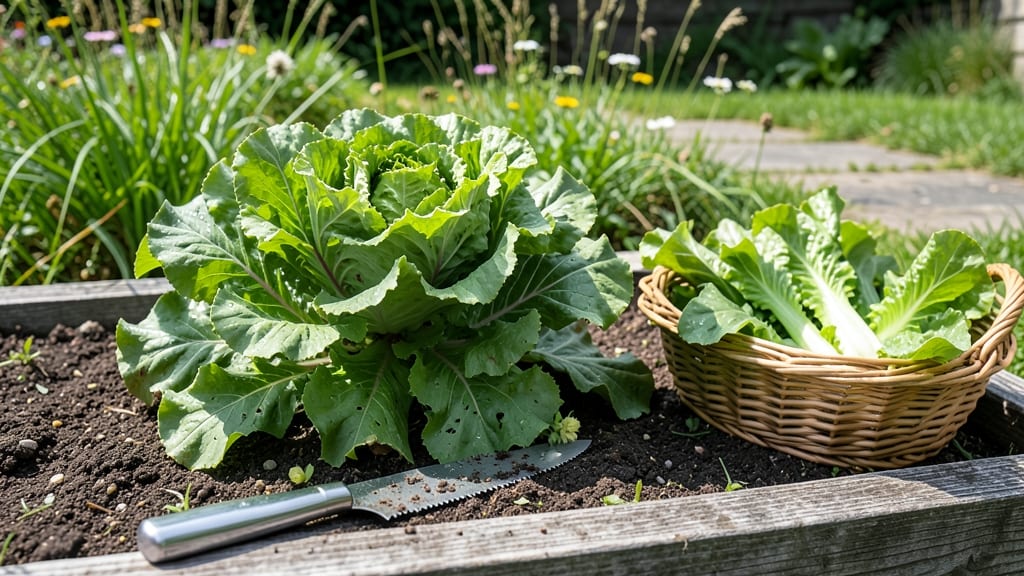
Lettuce is in season when the weather cools enough to keep its leaves crisp and sweet 🥬 — typically spring and fall, with exact months depending on your region.
If you’ve ever bitten into a head of lettuce only to discover it’s bitter or wilted, you might be picking it outside its peak season—where timing makes all the difference between crisp, sweet greens and disappointing salads.
In most of the U.S., spring lettuce peaks in April and May, while fall harvests shine from September through October. But warmer climates like Zone 10 can enjoy lettuce year-round, while colder areas in Zone 5 may only get a 6-week window in late spring.
Below, I’ll break down the best months by zone, share tricks to stretch your harvest, and recommend the hardiest varieties for off-season growing—so you can enjoy fresh salads without the compromise.
Lettuce season by U.s. growing zones: month-by-month breakdown
Timing is everything when growing lettuce, and knowing your USDA growing zone helps you plan for the best harvest months. Whether you're growing romaine, iceberg, butterhead, or leaf lettuce, each variety thrives in specific seasons depending on your climate.
Let’s break down the ideal planting and harvesting windows for Zones 3 through 10 so you can enjoy crisp, sweet greens year-round.
In cooler northern zones (3-6), lettuce grows best in spring and fall, avoiding the heat of summer. Meanwhile, southern zones (7-10) can grow lettuce year-round with the right varieties and shade protection. Understanding these patterns ensures you’re planting at the right time for maximum yield and flavor.
Spring lettuce typically starts in March or April, while fall crops go in August or September. The key is to avoid planting when temperatures exceed 80°F (27°C), as this causes bolting—when lettuce prematurely flowers and becomes bitter. Let’s dive into the specifics for each zone.
🌱
| Zone | Spring Planting | Spring Harvest | Fall Planting | Fall Harvest | Best Varieties |
|---|---|---|---|---|---|
| 3-4 (Coldest) | Mid-April to May | June to July | Late July to Aug | Sept to Oct | Winter Density, Arctic King |
| 5-6 (Cool Temperate) | Early April to May | May to June | Late July to Aug | Sept to Nov | Buttercrunch, Romaine |
| 7-8 (Warm Temperate) | Feb to March | March to April | Aug to Sept | Oct to Dec | Black Seeded Simpson, Iceberg |
| 9-10 (Hot) | Sept to Oct | Oct to Nov | Jan to Feb | Feb to March | Oakleaf, Red Sails |
In Zones 3-4, where winters are harsh, focus on cold-hardy varieties like Winter Density or Arctic King. These can survive light frosts and even snow, making them ideal for early spring or late fall harvests.
Start seeds indoors in March for a jump on the season, or direct-sow in mid-April
How to extend lettuce season: tips for year-round harvests
Lettuce doesn’t have to be a seasonal treat—with the right strategies, you can enjoy crisp, fresh greens nearly year-round. The key lies in understanding lettuce’s natural growing window and using techniques to push those boundaries.
While peak harvests typically occur in spring and fall, smart gardeners know how to coax lettuce into summer’s heat or winter’s chill. Whether you’re dealing with scorching summer days or frosty winter nights, these methods will keep your garden productive.
One of the biggest challenges is lettuce bolting, where it prematurely flowers and turns bitter. This happens when exposed to prolonged heat or cold. But don’t let that stop you—cold-hardy varieties and protective measures can keep your plants thriving outside their ideal window.
For urban gardeners with limited space, hydroponics or container growing can also extend your harvest season dramatically. Let’s explore the most effective ways to keep your lettuce growing when Mother Nature says it’s time to quit.
For summer growing, focus on heat-tolerant varieties like Black Seeded Simpson or Jericho. These can handle temperatures up to 85°F (29°C) without bolting. Pair them with shade cloth to protect them from intense afternoon sun, which can scorch leaves.
Mulching with straw or wood chips also helps retain moisture and keep roots cool.
If you’re in a cold climate, winter lettuce requires extra care. Plant hardy varieties like Winter Density in late summer for a fall harvest, then cover them with straw mulch to insulate roots.
In Zone 5 or colder, consider growing lettuce under greenhouse conditions or in a sunroom during the harshest months. Even a simple hoop house made from PVC pipes and plastic sheeting can make a huge difference.
Don’t forget about container growing—it’s perfect for urban gardeners or those with limited space. Use deep pots (at least 6 inches) filled with well-draining potting mix and place them in a location with partial shade.
Move containers indoors during extreme weather to maintain ideal growing conditions. With the right setup, you can enjoy fresh lettuce even in the middle of winter or scorching summer.
By combining variety selection, protective structures, and smart planting strategies, you’ll never have to rely on store-bought lettuce again. The secret to year-round harvests is adapting to your climate while giving your plants the care they need to thrive outside their natural season. Happy growing! 🌱