
Pests and Diseases
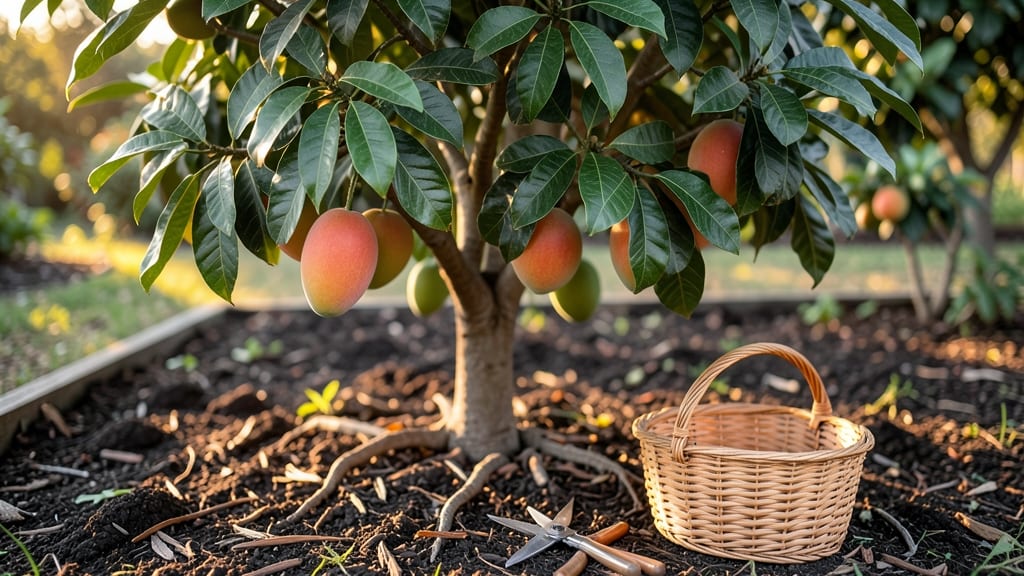
Mango season arrives when the fruit reaches peak ripeness—typically between late spring and early fall, depending on where you are.
If you’ve ever bitten into a perfectly ripe mango—juicy, sweet, and bursting with flavor—you know timing is everything. But when exactly is mango season, and how do you avoid disappointment with sour or unripe fruit?
In the U.S., Florida’s mango season kicks off as early as May, while California and Hawaii enjoy harvests stretching into September. Meanwhile, tropical regions like India and Mexico see their peak seasons in summer, with some varieties ripening as late as December.
Below, I’ll break down the exact months by region, share foolproof tips for spotting ripe mangoes, and reveal how climate affects when your local trees bear fruit.
Mango season calendar: exact months by U.s. and global regions
Mango season varies dramatically depending on where you live—whether you're in the humid heat of Florida, the coastal breezes of Hawaii, or the tropical climates of India and Thailand.
Understanding these regional patterns helps you plan your grocery trips or even grow your own mango tree in suitable zones. Let’s break down the peak months for ripe mangoes across key locations.
In the United States, mango season is heavily influenced by imports from tropical regions and local harvests in subtropical climates. Florida and California produce limited quantities, while Hawaii offers a more consistent supply.
Meanwhile, global hotspots like India and Mexico dominate the world’s mango production, with distinct seasonal peaks that shape availability worldwide.
Climate plays a critical role in mango ripening. Warmer temperatures and humidity accelerate ripening, while cooler seasons can delay it. Even within a single region, early and late varieties may ripen at different times.
For example, Alphonso mangoes in India peak in June-July, while Ataulfo mangoes in Mexico are at their best from April-June.
| Region | Peak Season | Early Varieties | Late Varieties | Climate Influence |
|---|---|---|---|---|
| Florida, USA | May–July | Haden (April) | Keitt (July) | Subtropical heat |
| California, USA | June–August | Cogshall (May) | Kent (August) | Coastal warmth |
| Hawaii, USA | Year-round (peaks May–Sept) | Okinawa (March) | Haden (Sept) | Tropical climate |
| India | April–July (peak June) | Alphonso (May) | Dasheri (July) | Monsoon rains |
| Mexico | April–June | Ataulfo (March) | Tommy Atkins (June) | Warm coastal winds |
| Thailand | March–June | Nam Dok Mai (Feb) | Okrong (May) | Hot, humid summers |
In Florida, mango season kicks off in late spring with early varieties like Haden, which ripen as early as April. By July, later varieties like Keitt reach peak ripeness.
The state’s subtropical climate allows for a short but intense season, making timing critical for the best flavor.
California’s mango season runs slightly later, from June to August, thanks to its coastal microclimates. Varieties like Cogshall ripen in May, while Kent holds out until late summer. If you’re in Southern California, you’ll find the sweetest mangoes in July, when temperatures peak.
Hawaii is unique because mangoes are available year-round, though they peak from May to September. The Okinawa variety ripens as early as March, while Haden extends the season into late summer. Hawaii’s tropical climate ensures consistent production, but monsoon seasons can occasionally disrupt harvests.
For global travelers or those craving
How to tell if a mango is ripe (and when to buy for best flavor)
Selecting the perfect mango can be tricky if you don’t know what to look for. Ripe mangoes offer the best flavor, but unripe ones can be disappointingly sour. My secret? Combine visual cues with a simple touch test.
Start by checking the skin color—ripe mangoes develop a deep, vibrant hue depending on the variety, from golden yellow to rich red or green (yes, some stay green when ripe!).
Next, give the mango a gentle squeeze near the stem. A ripe fruit will yield slightly to pressure, like a ripe avocado. If it feels rock-hard, it’s not ready yet. And here’s a pro tip: sniff the stem end—ripe mangoes release a sweet, tropical aroma.
If there’s no scent, it’s still firming up. These simple tricks help me avoid bringing home underripe fruit that’ll never reach its full potential.
- 🌱 When is mango season? In the U.S., peak season runs from May to September in Florida, while California’s harvest spans June to August. Tropical regions like Mexico and India enjoy year-round availability, with major harvests from March to June.
- 🌿 Early varieties (like Ataulfo) ripen first, often by late spring, while late varieties (such as Haden) peak in summer to early fall.
- ☀️ Climate matters: Mangoes thrive in warm climates (USDA Zones 10-11). In cooler regions, they’re typically imported, so check import dates for freshness.
- 🌳 Storage tip: Buy mangoes 1-2 days before peak ripeness to enjoy them at their best. Store them at room temperature for faster ripening.
If you’ve ever bought a mango that’s still rock-hard at home, don’t worry—you can speed up ripening. Place the unripe mango in a paper bag with a banana or apple for 1-2 days.
The ethylene gas from these fruits helps soften the mango faster. I’ve used this trick to turn firm mangoes into sweet, juicy treats in just 24 hours.
For the best flavor, avoid mangoes with dry, wrinkled skin or soft spots—they’re overripe. Instead, look for fruit that’s firm but gives slightly when pressed. A ripe mango should feel heavy for its size, indicating juicy flesh inside.
Producers often harvest mangoes firm but ripe to ensure they reach stores in perfect condition.
At farmers' markets, ask vendors when they were harvested. Freshly picked mangoes (even if not fully ripe) will taste superior to those shipped long distances. If you’re unsure, buy a few at different stages—some will be ready to eat immediately, while others can ripen at home.
This strategy ensures you always have perfectly ripe mangoes for snacking or cooking.
Remember, the best time to buy is during peak season when supply is freshest. In Florida, that’s June and July, while California’s peak runs from July to August. For imported mangoes, check labels for country of origin—those from Mexico or Peru often arrive riper than others.
With these tips, you’ll never settle for a bland or underripe mango again!