
Picking
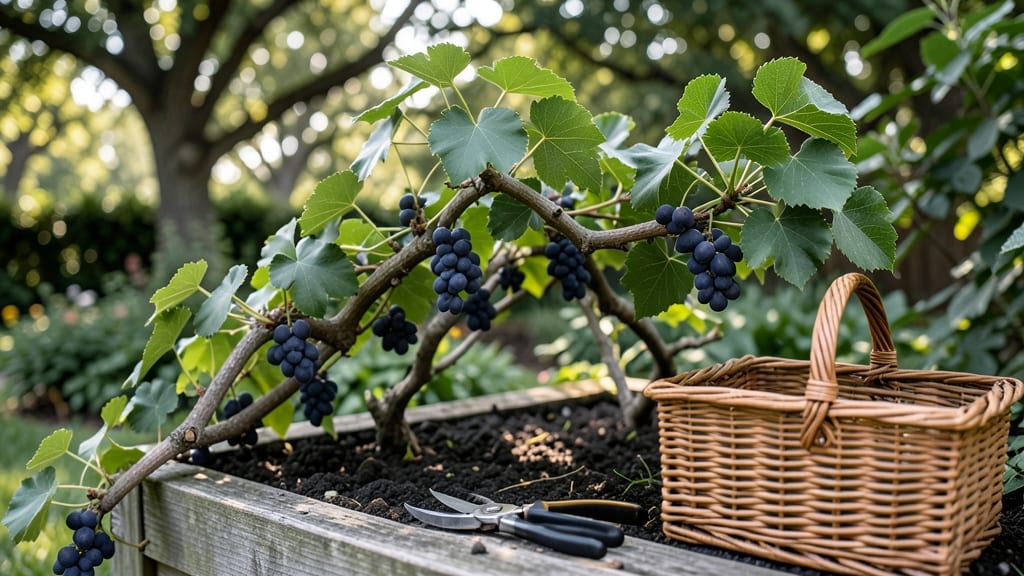
When is muscadine season in Georgia? The answer is late summer through early fall, with exact timing depending on your region’s heat and humidity.
Georgia’s muscadine grapes are a prized treasure for local farmers and home gardeners—but timing your harvest wrong means missing out on peak flavor and yield. If you’ve ever wondered when these tart-sweet grapes ripen across the Peach State, you’re in the right place.
Inland areas like Zone 7a often see harvests start as early as late August, while coastal regions in Zone 9a may stretch into October. The key is watching for full color, soft skin, and that signature sweet aroma—signs your grapes are ready to pick.
Below, I break down the exact months by region, how to tell when your muscadines are perfectly ripe, and pro tips to extend your harvest window in Georgia’s hot climate.
Exact muscadine season timing in Georgia by region (2024 guide)
Georgia’s muscadine grapes thrive in the state’s diverse climate zones, but harvest timing varies dramatically from the coastal plains to the mountain regions. Understanding these differences ensures you don’t miss the peak flavor window—typically a 2-3 week period when grapes reach optimal sweetness and texture.
Whether you’re growing ‘Scuppernong’ for jelly or ‘Carlos’ for wine, regional microclimates can shift ripening by 4-6 weeks.
The USDA hardiness zones 7a-9a cover Georgia, but local factors like elevation, proximity to water bodies, and soil composition create distinct growing conditions. For example, coastal Georgia’s humidity can accelerate ripening, while North Georgia’s cooler nights may delay it.
Below, I’ve broken down the 2024 muscadine season by Georgia’s three primary regions, including early, mid, and late varieties to help you plan your harvest calendar.
🌱
| Region | USDA Zone | Early Varieties (Harvest) | Mid Varieties (Harvest) | Late Varieties (Harvest) | Key Factors |
|---|---|---|---|---|---|
| Coastal Plains (Savannah, Brunswick) | 8a-9a | Late July - Early Aug ('Fry') | Mid-Aug - Early Sep ('Carlos') | Late Sep - Early Oct ('Scuppernong') | High humidity, warm winters |
| Piedmont (Atlanta, Macon) | 7b-8a | Early Aug ('Doreen') | Late Aug - Mid Sep ('Jumbo') | Mid-Sep - Late Oct ('Nesbitt') | Moderate climate, varied soil |
| Mountains (Dahlonega, Blairsville) | 6b-7a | Late Aug ('Pine Leaf') | Early Sep - Mid Oct ('Magnolia') | Late Oct ('Cowan') | Cooler temps, shorter season |
In coastal Georgia, where zones 8a-9a dominate, expect the earliest harvests starting in late July with varieties like ‘Fry’, a favorite for fresh eating. These areas benefit from longer growing seasons, but humidity can stress vines, so monitor for powdery mildew during peak ripening.
The ‘Scuppernong’, Georgia’s state grape, typically ripens last in this region, offering deep, complex flavors by early October.
Moving inland to the Piedmont region (zones 7b-8a), you’ll find a 2-3 week delay in harvest timing compared to the coast. ‘Carlos’, a versatile variety used for both table grapes and wine, peaks in mid-August to early September.
This region’s moderate climate allows for more consistent yields, but late summer heat waves can accelerate ripening—check grapes weekly after mid-August to avoid missing the window.
For North Georgia growers in zones 6b-7a, the season shifts dramatically. ‘Pine Leaf’, an early variety, may not ripen until late August, while late varieties like ‘Cowan’ can extend into late October.
The cooler nights in these elevations slow sugar development, but the shorter growing season demands careful variety selection. If you’re in this region, prioritize cold-hardy varieties and consider row covers to protect early blooms from late spring frosts.
Regardless of your location, microclimates matter. A vineyard near a lake or river may ripen 1-2 weeks earlier due to moderated temperatures, while upland sites can delay harvests. To refine your timing, track degree days (a measure of heat accumulation) using local weather stations.
Most muscadines need 1,800-2,200 degree days from bud break to harvest—use this as a backup benchmark when visual cues are unclear.
Pro tip: Prune strategically in late winter to balance fruit load and vine vigor. Overloaded vines may ripen unevenly, so aim for 30-50 clusters per vine for optimal size and flavor. And remember, har
How to determine when your muscadines are perfectly ripe (3 key tests)
Picking muscadines at the right moment can make the difference between a burst of sweet-tart flavor and tough, underripe fruit. While many gardeners rely on color alone, Georgia’s humid climate and variety differences (like 'Scuppernong' vs. 'Carlos') mean you need a more precise approach.
Here’s how to test ripeness like a pro—without guessing.
Color is a starting point, but it’s far from foolproof. A deep purple, bronze, or red hue signals maturity, but overripe grapes can turn mushy or attract pests.
That’s why I rely on three science-backed tests to avoid common mistakes like harvesting too early for yield or too late for flavor. Let’s dive into the details.
- 1 Sugar Content (Brix Test): Use a refractometer to measure sugar levels (12-16° Brix). Ideal ripeness hits 14-15° Brix for sweetness without excess tartness. Skip this? You might miss the peak flavor window—especially critical for wine grapes.
- 2 Seed Firmness: Squeeze a grape gently—seeds should feel soft but not mushy. If seeds are hard as pebbles, the fruit’s underripe. Overly soft seeds? The grapes are past their prime and may ferment on the vine.
- 3 Skin Texture: Press your thumb into the grape’s skin—it should yield slightly but not bruise. A firm, unyielding skin means the fruit’s not ready, while a wrinkled or split skin signals overripeness. This test is your backup when tools like refractometers aren’t available.
Pro tip: Combine these tests for accuracy. For example, a 14° Brix reading with soft seeds and a slightly yielding skin means your muscadines are ready to harvest.
Ignore one test, and you risk compromising flavor or yield. In Georgia’s heat, grapes can ripen 2-3 weeks faster than in cooler climates, so don’t wait too long!
If you’re harvesting for fresh eating, aim for 14-15° Brix—this balances sweetness and tartness. For wine production, wait until 16° Brix or higher to maximize alcohol content. Just remember: Overripe grapes lose their bright acidity and become ferment-prone, so act quickly once they pass these tests.
Tools like a $20 refractometer (available at garden centers) take the guesswork out of ripeness. But even without one, the seed and skin tests work reliably. My biggest mistake early on was harvesting based on color alone—only to end up with tart, seedy grapes that weren’t worth eating.
Now, I always test all three factors before picking a cluster.
Once you master these tests, you’ll consistently harvest muscadines at their peak flavor and texture. And in Georgia’s short harvest window (typically August through October), precision matters. Happy harvesting—and may your vine yield bountiful, sweet-tart grapes every season! 🍇