
Pests and Diseases
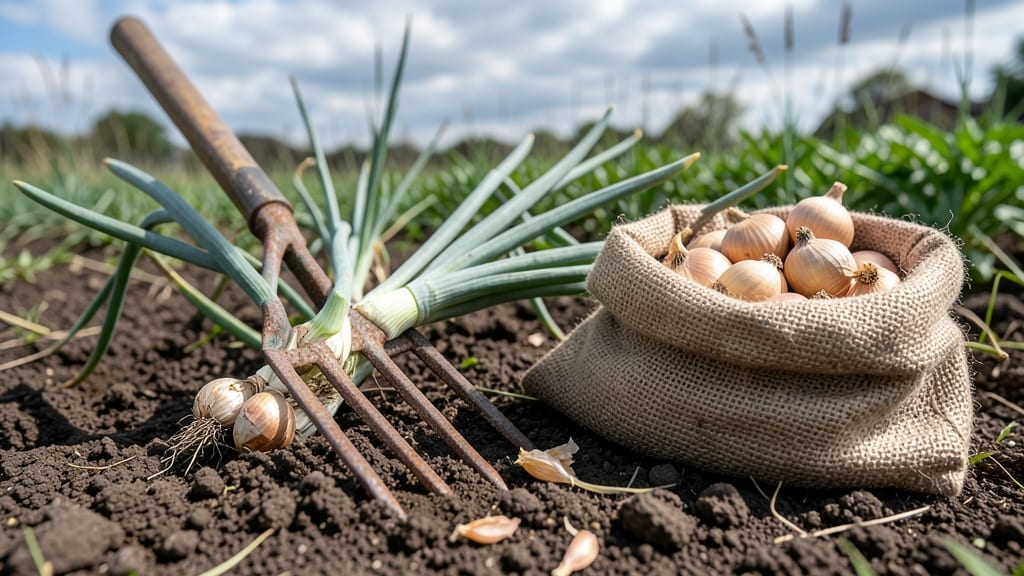
Onions reach their harvest season when tops yellow and bulbs swell to 2-3 inches—but the exact timing depends on your USDA zone and variety, with some ready as early as June and others waiting until July.
Timing your onion harvest correctly can mean the difference between sweet, flavorful bulbs and bitter, pungent disappointment—especially when growing in different USDA zones. But when exactly should you pull onions from your garden for peak freshness?
In Zone 6a, where spring planting is ideal, most varieties mature between June and early July, aligning with the late spring to early summer window. However, short-day onions in warmer zones may be ready earlier, while long-day types could linger until late July.
Below, I’ll break down the month-by-month harvest cues, how to spot a ready bulb, and storage tips to keep your onions fresh long after the garden season ends.

Onion harvest season by USDA zone: month-by-month timeline
Harvesting onions at the right time ensures you get sweet, flavorful bulbs instead of tough, bitter ones. The key lies in understanding your USDA zone and the onion day-length category you're growing.
Short-day onions thrive in warm climates, intermediate-day types handle moderate regions, and long-day varieties need cooler summers. Let's break down the perfect harvest windows for each zone and variety type.
First, know that short-day onions (like Texas Early White) mature fastest in warm climates, while long-day onions (such as Yellow Sweet Spanish) need cooler summers to form bulbs.
Intermediate-day types (like Red Baron) fall somewhere in between. Your USDA zone determines when to expect mature bulbs and when to let them dry in the soil.
| USDA Zone | Onion Type | Harvest Window | Drying Time (Soil) | Key Cues |
|---|---|---|---|---|
| Zones 3-5 | Long-day | Late June - Early July | 2-3 weeks | Tops yellow, 2-3" bulbs |
| Zones 6-7 | Intermediate | Mid-June - Late July | 1-2 weeks | Leaves flatten, papery skin |
| Zones 8-9 | Short-day | May - June | 1 week | Bulbs visible above soil |
| Zones 10-11 | Short-day | April - May | 3-5 days | Tops brown, 1-2" bulbs |
| All Zones | Green onions | Spring/Fall | N/A | 4-6" tall, no bulbs |
In USDA Zones 3-5, long-day onions like Sweet Spanish typically reach harvest readiness in late June to early July. These cooler climates give onions enough time to mature before summer heat sets in.
Let bulbs dry in the soil for 2-3 weeks after tops yellow to develop sweetness and storage potential.
For Zones 6-7, intermediate-day varieties like Red Baron hit peak harvest from mid-June to late July. The warmer days speed up growth, so you'll need to monitor tops closely—they should flatten and yellow before pulling. A shorter drying time of 1-2 weeks works well in these zones.
Gardeners in Zones 8-9 can harvest short-day onions like Texas Early White as early as May, thanks to longer growing seasons. These onions mature quickly and only need 1 week of soil drying. Watch for bulbs becoming visible above the soil line as your cue.
If you're in Zones 10-11, you're in luck—short-day onions can be harvested as early as April and again in fall for a second crop. The mild winters allow for 3-5 days of soil drying, perfect for quick curing. These warm climates also make green onions a year-round possibility!
Remember, green onions (scallions) don't form bulbs and can be harvested year-round in most zones by simply cutting the outer stalks when they reach 4-6 inches tall. This continuous harvest method works beautifully alongside bulb onion production.
Pro tip: If your onions bolt (send up flower stalks) before bulbing, harvest the green tops and bulbs immediately—they'll be milder than fully mature onions. This often happens in Zones 9-11 during heatwaves, so stay vigilant and harvest early.
🌱 For best results, always harvest onions on a dry morning after the
How to tell when onions are ready for harvest (key visual & tactile cues)
Harvesting onions at the right time ensures sweet, crisp bulbs instead of tough or pungent ones. The key lies in watching for visual and tactile cues that signal maturity.
Unlike other vegetables, onions don’t have a single "perfect" harvest window—they’re ready when they meet specific physical criteria rather than a calendar date.
Many gardeners make the mistake of pulling onions too early (resulting in small, underdeveloped bulbs) or too late (leading to bitter, hollow centers). The good news?
With a few simple checks, you can perfect your timing every season. Let’s break down the three must-check signs that your onions are harvest-ready.
Look for 50-75% of leaves turning yellow and falling over naturally. This signals the bulb has stopped growing upward.
Gently brush away soil to check for firm, round bulbs the size of a golf ball. Smaller than 1 inch? Wait longer.
The neck of the bulb should tighten, and the outer layers will develop a dry, papery texture—this protects the bulb during storage.
For a foolproof test, perform the soil-pull method: Gently grasp a handful of onion tops and tug upward. If the bulb slides out easily with minimal resistance, it’s ready. If the bulb resists or the soil clings tightly, wait 7-10 more days.
Avoid harvesting when leaves are still green and upright—this means the bulb isn’t mature.
Overripe onions (with completely brown, mushy tops) develop hollow centers and lose flavor. Short-day varieties (like Texas Early White) mature faster than long-day onions (like Yellow Sweet Spanish), so adjust your timeline based on your specific variety.
Once harvested, cure onions for 2-3 weeks in a dry, shaded area (like a garage) to harden the skins and extend shelf life. Store cured onions in a well-ventilated mesh bag away from direct sunlight for up to 6 months.
With these cues, you’ll never miss the perfect harvest window again! 🧅