
Pests and Diseases
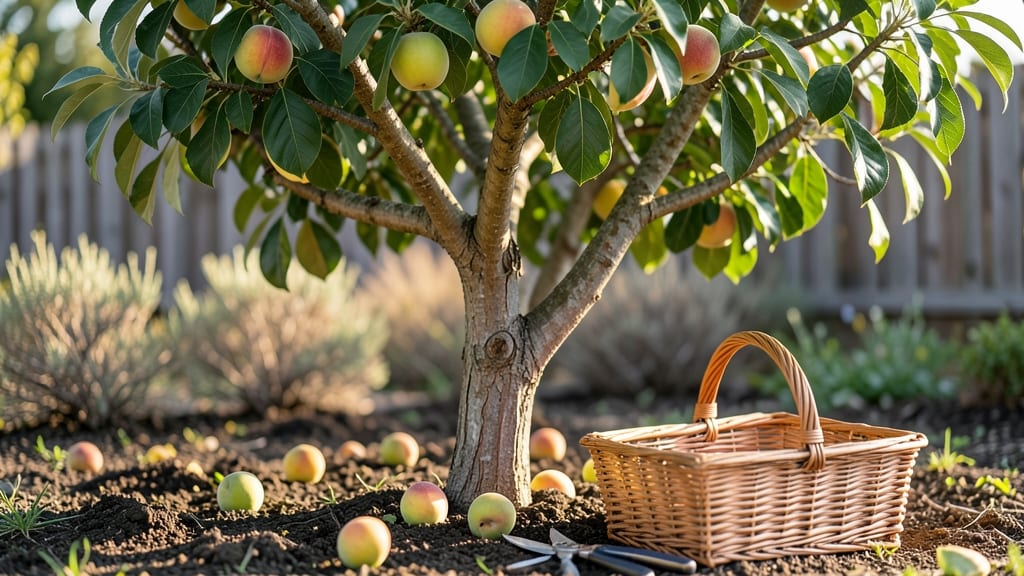
Peach season arrives when your 🍑 trees finally ripen after months of waiting — and missing it means store-bought peaches can’t compare to the flavor of homegrown fruit.
Picture this: you’re standing in your backyard in June or July, plucking perfectly sweet peaches right off the tree, only to realize too late that your neighbor’s crop was ready weeks ago.
The difference between regions is staggering — California’s peaches hit peak ripeness in May and June, while Georgia’s stretch into July and August.
But here’s the catch: your exact harvest window depends on your USDA hardiness zone, chill hours, and even microclimates. A peach tree in Zone 6a might need a late frost warning system, while one in Zone 9 could fruit twice a year if conditions are right.
In this guide, I’ll break down the exact months for your region, share tricks to extend your season, and explain how to tell when your peaches are truly ready to pick — so you never miss another harvest again.
Peach season by USDA hardiness Zone: exact months for your region
Peach trees thrive in warm climates but need chill hours to produce fruit—typically 300–1,000 hours below 45°F. Your USDA zone determines when peaches ripen, with Zone 5 harvests starting weeks later than Zone 9.
Even within states like California or Georgia, microclimates shift timing by 3–4 weeks. Let’s break down the exact windows for your region, including frost-sensitive varieties that demand precision.
In USDA Zones 5–7, peach season stretches from late June to mid-August, while Zones 8–10 enjoy harvests as early as May and as late as September. Early varieties like ‘Redhaven’ ripen first, followed by mid-season ‘Elberta’ and late-season ‘Loring.’
California’s Central Valley, for example, kicks off peach season in May, while Georgia’s peach belt peaks in late June to July. Always check your local frost dates—a late freeze can ruin blossoms or young fruit.
| USDA Zone | Peach Season Window | Early Varieties | Late Varieties | Frost Risk |
|---|---|---|---|---|
| 5 (Northern Midwest) | Late June – Early August | ‘Halehaven’ (June) | ‘Loring’ (August) | High (late spring frosts) |
| 6 (Mid-Atlantic, Midwest) | Mid-June – Late July | ‘Redhaven’ (June) | ‘Elberta’ (July) | Moderate (watch May frosts) |
| 7 (Southeast, Southern Midwest) | Late May – Early August | ‘Springcrest’ (May) | ‘Contender’ (August) | Low (unless late frost) |
| 8 (Deep South, Coastal) | May – July | ‘Flordagold’ (May) | ‘Tropic Beauty’ (July) | Minimal (humidity risk) |
| 9–10 (California, Arizona) | April – September | ‘June Gold’ (April) | ‘Sanguinelli’ (September) | None (year-round growing) |
If you live in Zone 5 or 6, prioritize cold-hardy varieties like ‘Reliance’ or ‘Montgomery,’ which tolerate down to -20°F. These trees bloom later, reducing frost damage. In Zones 7–9, focus on low-chill varieties (300–500 hours) like ‘Tropic Snow’ or ‘Tropic Beauty’ to avoid poor fruit set.
California’s San Joaquin Valley produces 80% of U.S. peaches thanks to its long growing season and irrigation systems.
Regional exceptions matter: Georgia’s peach belt (Zones 7–8) peaks in late June to July, while Florida’s spring harvest (Zones 9–10) starts as early as March. Even within states, elevations shift timing—mountainous areas in Zone 7 may harvest weeks later than valley floors.
Use a degree-day calculator (like from your local Cooperative Extension) to fine-tune predictions for your exact location.
For container-grown peach trees, harvest windows shrink by 2–3 weeks due to limited root zones. Dwarf varieties like ‘Bonanza’ ripen earlier than standard trees but still need full sun and consistent watering to meet their 150–180 day maturity timeline.
In Zone 10, peaches can fruit year-round with proper irrigation, but flavor peaks in spring and fall when nights are cooler.
Pro tip: Mark your calendar 120 days after full bloom—this is when most peaches reach maturity. Use a fruit maturity chart to check for color change, softness, and aroma. In humid climates (like Zones 8–9), watch for brown rot and harvest 2–3 days early to avoid spoilage.
Store peaches at 32–34°F and 90% humidity to extend shelf life by 1–2 weeks.
Missed the fresh harvest? Frozen peaches retain flavor if blanched and stored at 0°F. For long-term storage, can peaches in heavy syrup or dehydrate slices for snacking or baking.
Even in Zone 5, you can enjoy peaches year-round with these preservation tricks—just time your harvest right to avoid store-bought compromises.
🌱
How to extend your peach season: tips for early and late varieties
Want to enjoy homegrown peaches beyond the typical June-July window? With the right strategies, you can push your harvest earlier or later in the season. The key lies in selecting cold-hardy varieties, optimizing your microclimate, and using proven rootstock techniques.
Even in colder zones, you can extend your peach season by 2-4 weeks with minimal extra effort.
First, focus on early-ripening varieties like ‘Reliance’ or ‘Redhaven’, which handle cooler temperatures better. Pair these with dwarf rootstock to improve cold tolerance and speed up maturity.
For late-season fruit, try ‘Elberta’ or ‘Contender’, which thrive in warmer fall conditions. These choices alone can shift your harvest window by 3-6 weeks.
🌱 Extend Your Peach Season: 5 Proven Strategies
- 1. Choose cold-hardy varieties: Opt for ‘Reliance’ (Zone 4) or ‘Hale Haven’ (Zone 5) for early harvests. Late-season pickers like ‘Elberta’ thrive in Zones 6-9.
- 2. Use black plastic mulch: Spread black plastic around the base to warm soil by 5-10°F, accelerating fruit ripening by 10-14 days.
- 3. Install windbreaks: Plant evergreen hedges or use frost cloth to protect blossoms from late frosts, preserving 30-50% more fruit.
- 4. Select dwarf rootstock: ‘Lovell’ or ‘Nemaguard’ rootstocks mature 2-3 years faster than standard trees, giving you earlier harvests.
- 5. Prune strategically: Thin branches in late winter to reduce chill hours needed by 15-20%, helping fruit ripen sooner.
Microclimate adjustments make a surprising difference. For example, planting your peach tree near a south-facing wall or black plastic mulch can raise soil temperatures by 5-10°F, speeding up ripening. In colder climates, use frost cloth during bloom to protect flowers from late frosts, which can double your yield.
Don’t overlook rootstock selection—it’s one of the easiest ways to extend your season. Dwarf rootstocks like ‘Lovell’ mature 2-3 years faster than standard trees, giving you earlier harvests. Pair this with early-blooming varieties, and you’ll enjoy peaches 4-6 weeks sooner than traditional trees.
For late-season fruit, focus on heat-tolerant varieties like ‘Contender’ and use drip irrigation to keep roots cool during hot spells. This combo can push your harvest into late August or September, well beyond the typical July window. Just remember: consistent moisture is critical during these extended seasons.
With these techniques, you can turn your 6-week peach season into a 3-month feast. Start with one strategy, like black plastic mulch or a cold-hardy variety, and expand from there. Your taste buds—and your neighbors—will thank you!