
Pests and Diseases
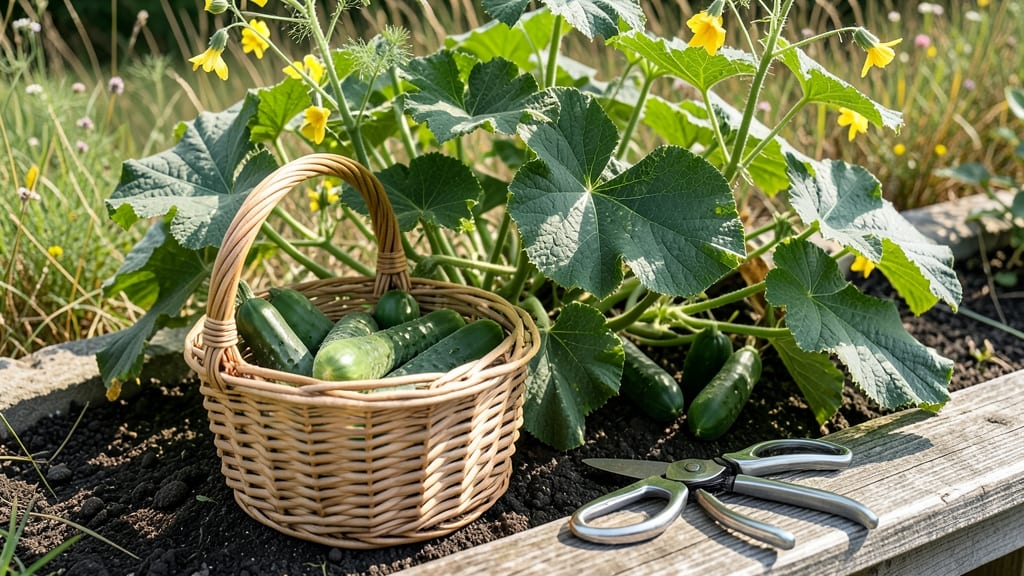
Pickling cucumbers reach their peak flavor when harvested during their short but sweet season—typically late summer in most regions, but timing shifts dramatically depending on where you live.
If you’ve ever opened a jar of homemade pickles and wondered why they tasted so much better than store-bought, you’re not alone—it’s all about timing.
The secret to crisp, tangy pickling cucumbers lies in harvesting them at the exact peak of their season, which varies wildly depending on where you live.
In USDA Zone 6a (like much of the Midwest), your 🥒 pickling cucumber season runs from mid-July to early September, but gardeners in warmer Southern states can start as early as June, while those in cooler Northern climates may not see harvests until August.
Getting it wrong means tough, seedy cucumbers—or worse, no cucumbers at all.
Below, I’ll break down the month-by-month harvest windows for your region, plus pro tips for stretching the season with succession planting and cold frames. Ready to turn your garden into a pickle factory?
Pickling cucumber season by u.s. growing zones: month-by-month harvest guide
Timing is everything when it comes to pickling cucumbers—harvest too early, and they’ll be bland; wait too long, and they’ll turn bitter or seedy.
The peak harvest window shifts dramatically across USDA hardiness zones 3–10, with early varieties in cold climates maturing months before late-season heat-lovers in the South. Understanding these zone-specific timelines ensures you always have crisp, flavorful cucumbers ready for your pickle jars.
Your local microclimate also plays a huge role. Coastal areas stay milder longer, while inland zones may see earlier frosts. For example, Zone 5 gardeners might harvest as early as late June, while Zone 10 cucumbers can be picked year-round with proper care.
Let’s break down the month-by-month harvest guide so you never miss the sweet spot.
| USDA Zone | Peak Harvest Months | Early Variety Ready | Late Variety Ready | Microclimate Notes |
|---|---|---|---|---|
| Zones 3–4 | July–August | Late June (with frost protection) | Early September (greenhouse) | Short season—use cold frames |
| Zones 5–6 | July–September | Late June | Mid-October | Early frost risk—harvest before Sept 15 |
| Zones 7–8 | June–October | Early June | November (tender varieties) | Long season—succession plant every 2 weeks |
| Zones 9–10 | April–November | March (greenhouse) | December (heat-tolerant types) | Year-round with shade cloth in summer |
In Zones 3–4, where summers are short, focus on early-maturing varieties like ‘Boston Pickling’ (ready in 45–50 days) or ‘Northern Pickling’ (55 days). These cold-hardy types thrive in cooler soils and can even tolerate light frosts if harvested before first frost.
I’ve seen gardeners in Minnesota extend their season by 2–3 weeks using row covers or cold frames.
For Zones 5–6, the sweet spot is mid-July through September, but don’t wait until August to plant! Start seeds indoors in April for a jumpstart. Parthenocarpic varieties (like ‘Corinto’) are my go-to here—they produce seedless cucumbers even without pollinators, which is a lifesaver in rainy summers.
In Zone 6, I harvest my last cucumbers by October 1st to avoid bitter flavors.
Gardeners in Zones 7–8 enjoy the longest pickling cucumber season, often from June through October. This is prime time for succession planting: sow seeds every 2–3 weeks to ensure a steady supply.
I plant ‘National Pickling’ in early June and ‘Calypso’ in late July for a two-month overlap. Heat waves can stress plants, so always keep soil consistently moist—drought stress leads to bitter cucumbers.
In Zones 9–10, the rules change entirely. Here, heat-tolerant varieties like ‘Sweet Success’ or ‘Diva’ shine, producing cucumbers even when temps hit 95°F+. I’ve harvested pickling cucumbers in December in Arizona by providing afternoon shade during peak summer.
For a year-round harvest, plant shade-loving types in summer and cold-hardy ones in winter.
Regional microclimates can shift these timelines by 2–4 weeks. For example, coastal California (Zone 9) stays milder than inland Central Valley, while mountainous zones (like Zone 6 in Colorado) may have earlier frosts than valley floors.
Always check your local frost dates and adjust planting accordingly. I once missed the first frost warning in Zone 5 and lost my entire crop—now I set phone alerts for frost forecasts!
Pro tip: Harvest frequency matters just as much as timing. Pick every 2–3 days to encourage more production. If you see cucumbers growing past 4 inches, they’re already past their prime for pickling.
Use a sharp knife or pruners to avoid damaging vines, and always harvest in the morning when cucumbers are crispest. Store unharvested cucumbers in the fridge for up to 5 days if you’re not canning them immediately.
One final note: soil temperature affects germination and growth. Cucumbers need soil at least 60°F to thrive. In cooler zones, use
How to tell when pickling cucumbers are ready (size, texture, and taste tests)
Knowing when to harvest your pickling cucumbers makes all the difference between crunchy, tangy pickles and mushy, bitter ones. Unlike slicing cucumbers, which can grow larger, pickling varieties need to be harvested at a very specific stage to avoid turning seedy and tough.
The key is catching them at the ideal size, texture, and flavor—before they overmature and lose their prized qualities.
Most gardeners focus only on cucumber size, but true readiness combines three factors: diameter, firmness, and taste. For example, a 2-inch cucumber might be perfect for bread-and-butter pickles, while a slightly larger 3-inch one could work better for dill pickles.
Let’s break down how to test each cue so you never miss the window.
✅ 5 Key Signs Your Pickling Cucumbers Are Ready
- 📏 Size: Harvest when cucumbers reach 1.5–3 inches in diameter—2 inches is ideal for most varieties.
- 🤲 Texture: Skin should resist gentle pressure but not feel rock-hard. Press lightly—if it springs back, it’s ready.
- 🌱 Color: Uniform deep green with a glossy sheen. Yellowing or dull spots mean it’s past prime.
- 🍃 Taste Test: Bite a small piece—flavor should be mild and slightly sweet, not bitter or seedy.
- ⏰ Time of Day: Harvest in the morning when cucumbers are coolest and crispest.
If you’re growing different pickle styles, timing matters even more. For bread-and-butter pickles, aim for the smaller end of the spectrum (1.5–2 inches) to keep them tender.
Meanwhile, dill pickles can handle a slightly larger size (2.5–3 inches) because the fermentation process softens them further. Always check the seed packet for variety-specific recommendations—some, like ‘Boston Pickling’, are bred for uniform size.
One common mistake is waiting too long, thinking bigger cucumbers will taste better. But once they exceed 3.5 inches, they develop tough skin, large seeds, and a bitter flavor that even pickling can’t fix.
I once left a batch too long, and my homemade pickles turned out spongy and disappointing—never again! Use a measuring tape or ruler to check sizes daily during peak harvest season.
Pro tip: Harvest consistently every 2–3 days to encourage more production. Cucumbers grow rapidly, and skipping harvests can lead to overcrowding on the vine, which stresses the plant and reduces quality.
If you’re short on time, focus on the youngest cucumbers first—they’ll be the most tender. For extra flavor, try harvesting in the early morning when sugars are highest.
Finally, trust your senses. If a cucumber feels too soft or has uneven coloring, it’s not ready. The best pickling cucumbers are firm, crisp, and uniformly green—like the ones you’d find at a farmer’s market labeled “pickling.”
With these cues, you’ll never second-guess your harvest again, and your jars will always be packed with the perfect crunch.